Radio World is proud to introduce a new series of stories that profile the next generation of radio and broadcast engineers. “Next-Gen Engineers” looks to raise awareness of the broadcast engineering profession for young people, shine a light on the new talent entering the workforce and hear fresh takes on the future of the industry.
Have an engineer to nominate for this series? Email us at [email protected].
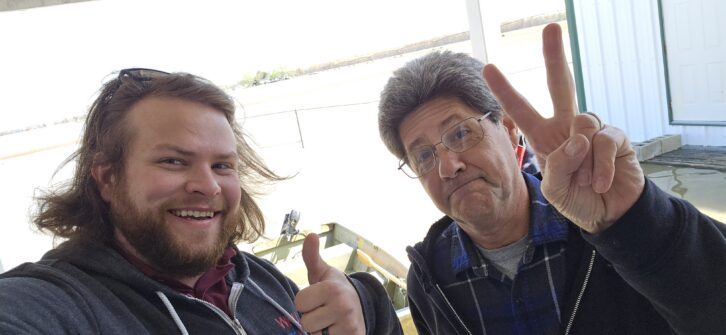
Zachary Neace has always been interested in technology; but it was broadcasting, in particular, that drew his attention from a young age.
“I didn’t realize it until college, but looking back at elementary school, I was basically the student video engineer for our morning broadcast,” Neace told Radio World. “From there, I always had some involvement in broadcasting, whether volunteering at local nonprofits to operate their audio boards or shadowing a local radio station to see how they operate.”
Today, at 28, Neace works as a broadcast engineer for Game Creek Video, a U.S. company that supplies mobile television production trucks and technical crews for major live broadcasts. Although Neace currently works in TV broadcasting, he is no stranger to the world of radio.
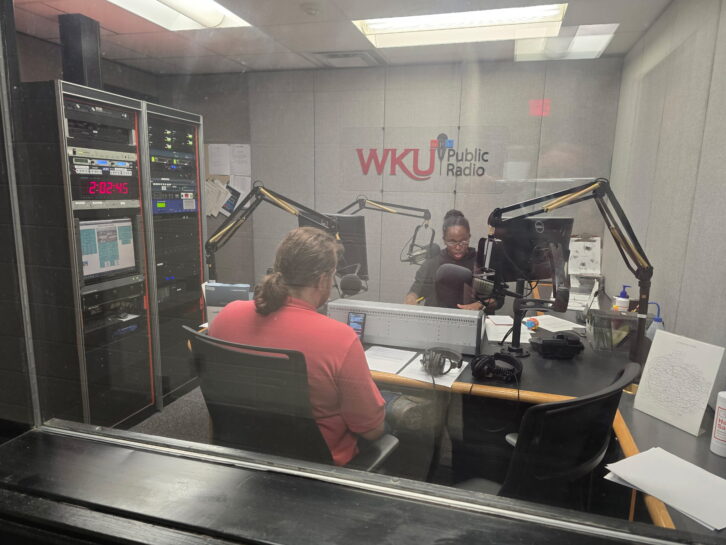
After graduating from Western Kentucky University in 2019, five years later Neace found himself back at his alma mater working as a radio engineer for WKU Public Media, an NPR and PBS affiliate.
“I have always loved public media in all its facets and deeply believe in its mission to serve the community,” said Neace. “Traveling to the rural transmitters located in our market allowed me to see firsthand the impact they have on small communities.”
We caught up with Neace via email to learn more about his most memorable radio experiences, his future aspirations and how peers his age view the industry.
Radio World: How did you get interested in radio? Where did you get your start?
Zach Neace: I went to college at Western Kentucky University for a degree in broadcasting with a focus in video technology. One of the first things I did when I got to campus was swing by WKU Public Media to put in a volunteer form. From there, I started working primarily on television productions, filming local content for college sports and shows such as Lost River Sessions and MainStreet.
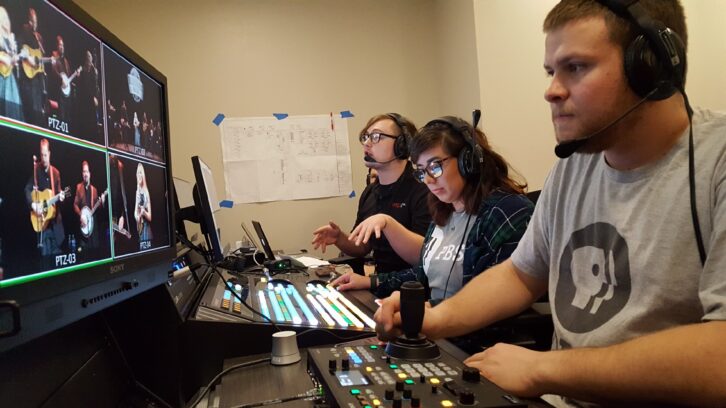
Toward the end of my junior year, I expressed interest in becoming a broadcast engineer to the station director. He referred me to the NAB Technology Internship Program, a new initiative that NAB was launching alongside the Technology Apprenticeship Program to target active college students rather than recent graduates. Through this program, I was given the opportunity to train under our station’s engineers.
Due to the dual-affiliate nature of our station, I got exposure to both radio and television engineering. I learned how to solder and run cables, perform maintenance on a television truck, work on both television and radio transmitters and manage radio and television automation systems.
I also gained experience troubleshooting signal routing and maintaining control boards, starting my journey toward becoming the hybrid television and radio engineer I am today.
RW: What kind of radio work do you do right now?
Neace: I unfortunately do not work in radio full-time at the moment, largely due to the career flexibility that comes with learning both television and radio engineering. I do, however, offer my assistance as a volunteer to local stations that might need an extra hand with transmitter maintenance or running cables whenever I can.
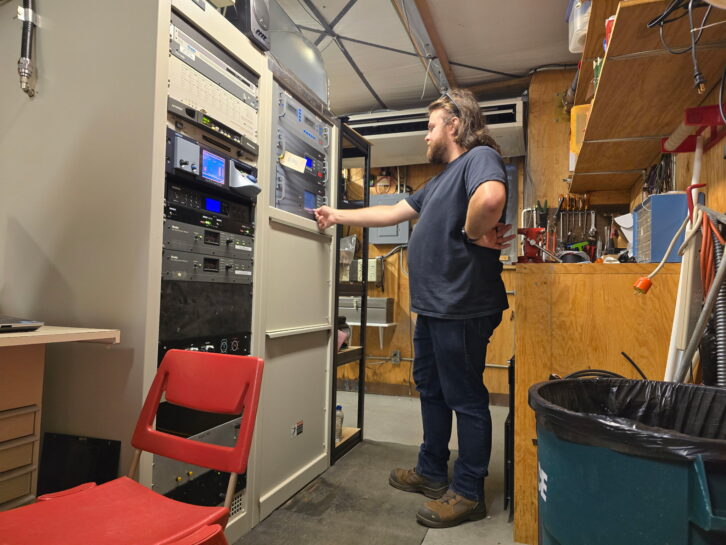
Before [working at Game Creek Video], my most recent experience as a radio broadcast engineer was at WKU Public Media, which is a role I am extremely passionate about. On many occasions, people thanked me for the work and services we provide simply because they recognized my company shirt. I have also worked at WUCF, Central Florida’s PBS station, which also operates the WUCF Jazz radio station that has been on the air for 48 years.
I keep my radio at home tuned to their station and often put it on for nice background music when it is raining or when I am getting ready in the morning.
RW: What’s the most interesting experience you’ve had in the radio engineering world so far?
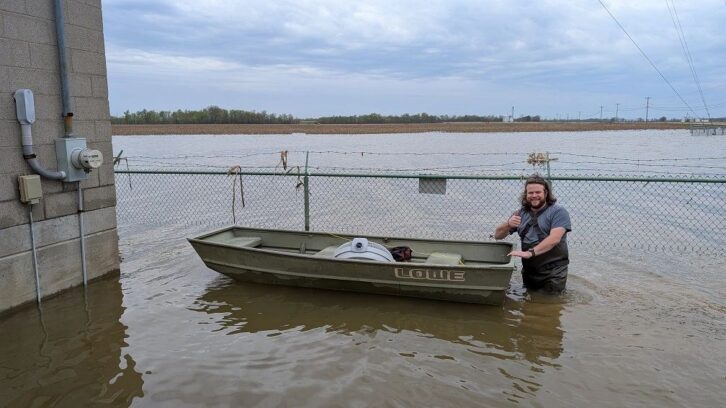
Neace: The most interesting experience I have had so far happened when Kentucky went through severe flooding in 2022. One of our WKU Public Radio transmission sites was completely knocked off the air by the rising waters.
To get things back up and running, our engineering team had to use a boat, put on waders and rely on a lot of determination to reach the site. We were ultimately able to restore the signal at reduced power while we worked toward getting everything fully operational again. It was a massive team effort, and I am incredibly thankful for the support of the rest of the engineering crew.
This stands out as my most interesting experience not just because we had to take a boat to our transmitter, but because it truly highlights the importance of radio in local communities. During a disaster like that, people stranded in the floods may only have an emergency radio to rely on for crucial local news and updates.
Moments like that remind me why I love broadcast engineering. Every day is a new challenge, and every challenge is worth it to keep communities connected.
RW: In general, how do you think radio resonates with peers your age?
Neace: I believe a lot of people my age still listen to the radio. When I worked at universities, we consistently had groups of students reaching out to the radio station to see how they could get involved. The numbers definitely show that younger demographics are still tuning in, but I think the reasons why go far beyond just habit.
First and foremost, radio offers a sense of human connection that algorithmic streaming playlists simply cannot replicate. For a lot of my peers, tuning into a local station feels like hanging out with a friend. The personalities on air provide companionship, and there is a shared experience in knowing that others in your community are listening to the exact same thing.
We are constantly overwhelmed by screens and endless choices, so there is something incredibly refreshing and relaxing about just turning a dial and letting someone else curate the music and conversation for you. Research shows that a huge majority of Gen Z listeners use radio specifically to destress and enjoy a little personal time — something I can personally attest to.
Additionally, local radio remains the best way to feel anchored to a specific place. I have many friends and coworkers who still tune in to their local stations when driving to work or exploring new cities because it instantly connects them to the pulse of that area. Whether it is finding out about local events, getting trusted information or organically discovering new music.
RW: What are your future aspirations?
Neace: I would love to continue growing and learning in broadcasting, wherever that journey may take me. I love all things related to broadcasting and networking, so I hope my skillset can continue to grow as a hybrid engineer. Beyond my own technical growth, a major aspiration of mine is to actively inspire and support the next generation of engineers.
Broadcasting is a unique, incredibly fun field that can take you to places you never thought possible, but it can also be intimidating to break into.
Because of that, I want to dedicate more time to mentoring younger engineers and advocating for a more diverse workforce within the industry. We need fresh perspectives and different backgrounds to keep this field innovating and thriving.
One of my favorite things is talking to new and aspiring engineers, helping them navigate those crucial first steps. Whether it is connecting them with the right industry contacts, taking the time to review their resumes or doing mock interviews to build their confidence, I want to be a resource for them.
Ultimately, I would love to see a wider range of talented, passionate people get involved and feel welcomed in this amazing community.
RW: Any other thoughts?
Neace: I would like to thank everyone who helped me get to where I am today. I am grateful for my college mentors, Jordan Basham, Erik Costa and Donald Eastman; the NAB Leadership Foundation’s Paloma Johnson-Walker; WUCF’s Mark Lundstrom; and former engineers Jordan Kirkman and Michael Herring for their incredible mentorship in the field.
Finally, I want to thank every friend I have met along the way in this crazy industry we call broadcasting. I have made so many lifelong friends in this field, and I do not know where I would be today without them supporting me and giving advice along the way.
Comment on this or any article. Email [email protected].