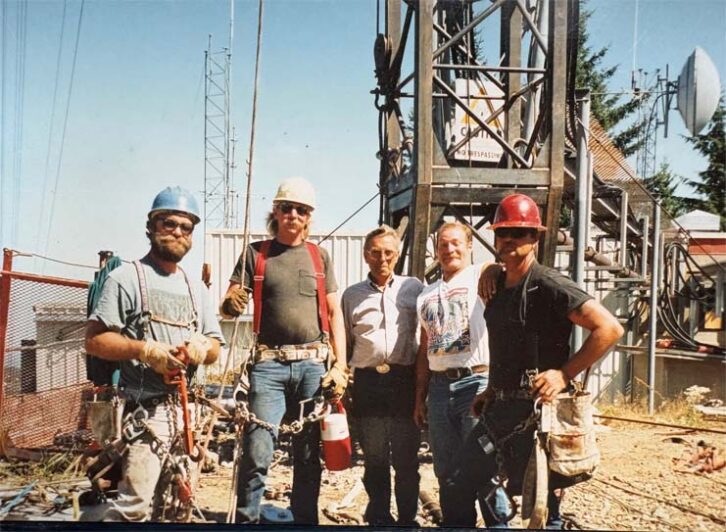
I’ve spent my career as a project manager, estimator and rigger for P&R Tower Company in Sacramento, Calif. We work primarily in the west but have traveled nationwide for tower projects.
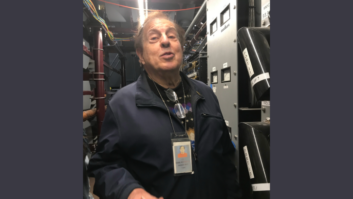
Early in my career, I was fortunate to be mentored by one of the greats in our industry: Jack Olson. His influence has shaped not only my professional life but also the person I became.
I started in the tower business because my grandfather, Pete Smith, owned P&R. The grandkids worked summers through college, and I took to climbing and rigging naturally. I enjoyed the work, understood the mechanics and got along well with the crews.
Like many young workers, I was still learning what responsibility looked like in a demanding trade. Jack recognized potential in me and invested his time and guidance. I’m grateful for that, and I know I grew because of it.
Jack and safety
When I started, there were two foremen and my grandfather. One of them was Jack. I never had a close call or near-miss on a job he ran. That’s the first thing to know about Jack: He is unwavering about safety.
Jack came up in the early 1980s, when tower work still had a “Wild West” mentality.
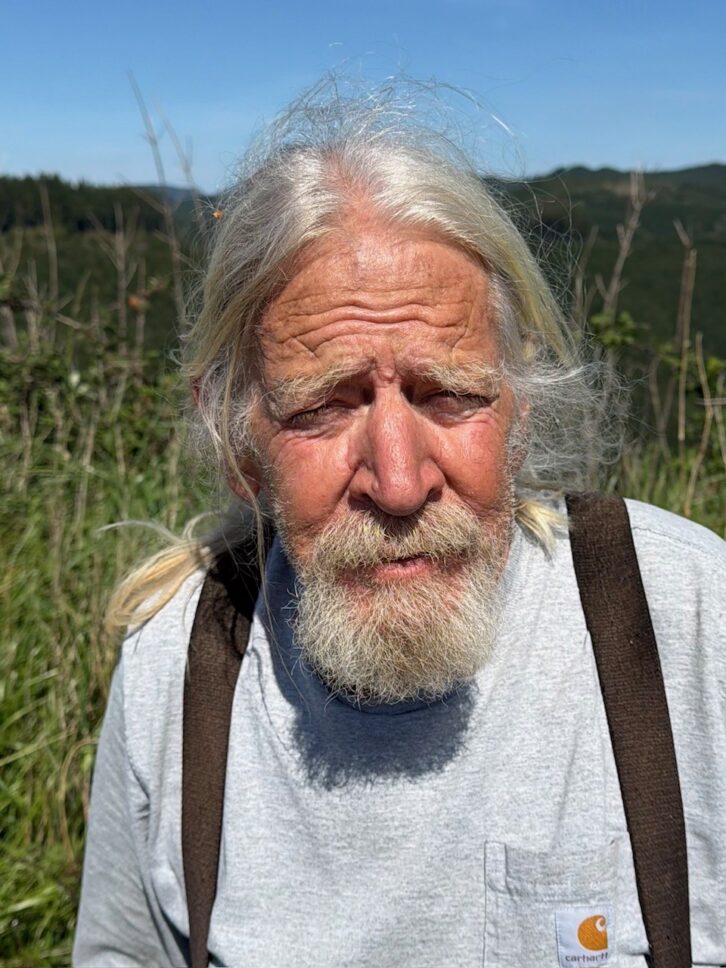
Many riggers he knew over the years died doing this work. Yet the only injury I ever saw on one of Jack’s jobs was a rare situation that OSHA agreed wasn’t his fault. He wasn’t perfect, but he was close — and I’m certain the habits he instilled in me have kept me safe throughout my career.
He thought about everything: safety, customer service, backups, minimizing risk, showing up ready to work, leaving a site better than you found it, securing rigging and making things easier for the next crew. Jack raised the bar for what a tower hand should be.
He didn’t compare himself to others’ shortcuts. He judged his work by what was right. That didn’t always make the most money in the moment, but it paid off in the long run.
A steady example
Jack’s influence extended beyond the job site.
Tower hands aren’t always known for wise decisions after hours, especially when they’re young and on the road. Jack didn’t get caught up in that. He cared about his family, stayed true to his values and set an example of steadiness and integrity.
He wasn’t preachy, but he lived by a quiet moral code. Even on job sites where language wasn’t always clean — including his — he avoided taking the Lord’s name in vain. It was a small thing, but it said a lot about his character.
His example helped shape the way I approached my own life, marriage and family. He took a fatherly role with younger guys who needed it, and I’m grateful I was around him in those years.
One of Jack’s non-negotiables was securing rigging and “buttoning things up” at the end of the day. After 11 hours in the sun, it’s easy to say, “It’ll be fine until tomorrow.” But that mentality has caused damage, failures and deaths.
Jack has taught me that you take the extra time so you can sleep at night. Because of him, I’ve never had to lie awake during a storm wondering if something was going to fail. Instead, I’ve woken up, heard the wind and gone right back to sleep — thanking Jack for that lesson.
That same mindset applied to finishing a job: doing it right, stabilizing and protecting equipment for the long term, and leaving a clean site.
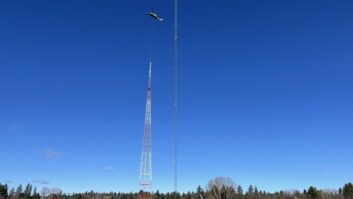
I’ll never forget stacking a four-tower AM system with a young crew. We did the technical work well but left trash behind, not realizing the importance of cleanup.
Later, I returned with Jack to fix a lighting issue — one that wasn’t our fault — and he saw the mess we’d left. He made sure I understood the importance of leaving a site better than we found it. That was nearly 30 years ago, and the lesson still resonates.
Consistency and character
When I met Jack, he and my grandfather didn’t always see eye to eye. Both had strong personalities.
But while some foremen acted one way around Pete and another when he wasn’t there, Jack was always Jack. Whether Pete was on site or not, whether a customer was watching or not, Jack prepared, thought ahead and did the job right. His projects ran smoothly and were done right the first time.
Jack was the quintessential tortoise — steady, methodical and reliable — while others were often the hares. And as the Special Forces say, “Slow is smooth, and smooth is fast.”
That said, Jack wasn’t slow. You can measure the towers he’s stacked in miles, not feet. Few people can stack a small- to medium-face guyed tower faster with a gin pole. Customers were often amazed at how much tower he could put up in a day.
Lessons that last
I’ve been doing this work for 35 years and have been chosen for some technically difficult jobs. Even now, I like having Jack with me — or at least talking through the project with him. His experience and ability to line things up and make a job go smoothly are invaluable.
Jack doesn’t climb anymore, and some younger guys may not yet appreciate the importance of the stories he tells or the advice he gives.
But one day, they’ll have an epiphany and realize how much he gave them. Many of the most important lessons I’ve learned in this business came from Jack.
If you’re lucky enough to have a “Jack” on your crew or as a service provider, don’t take it for granted. Jacks are rare. I often think about how thankful I am — and how thankful our company is — to have had Jack Olson working with us.
Thank you, Jack.
And to all the “Jacks” out there. Your fellow workers, your companies, your customers and this industry owe you more than you know.
Comment on this or any article. Email [email protected] with “Letter to the Editor” in the subject field.