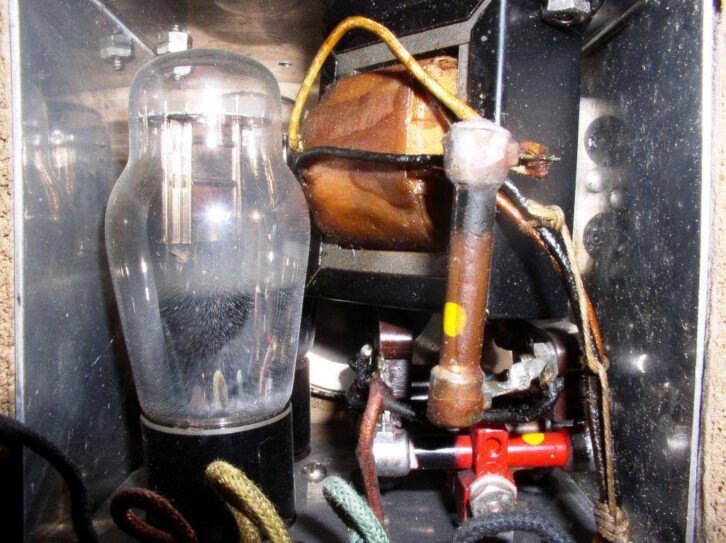
Take a look at the first photo on this page. Can you identify it? The answer is at the end of this text.
Inexpensive Wi-Fi module
Veteran radio and television attorney John Garziglia not only loves communications law, he loves electronics and broadcast engineering too.
John writes that in the last few months, he has become enamored with a tiny Wi-Fi device called the Shelly Plus Uni.
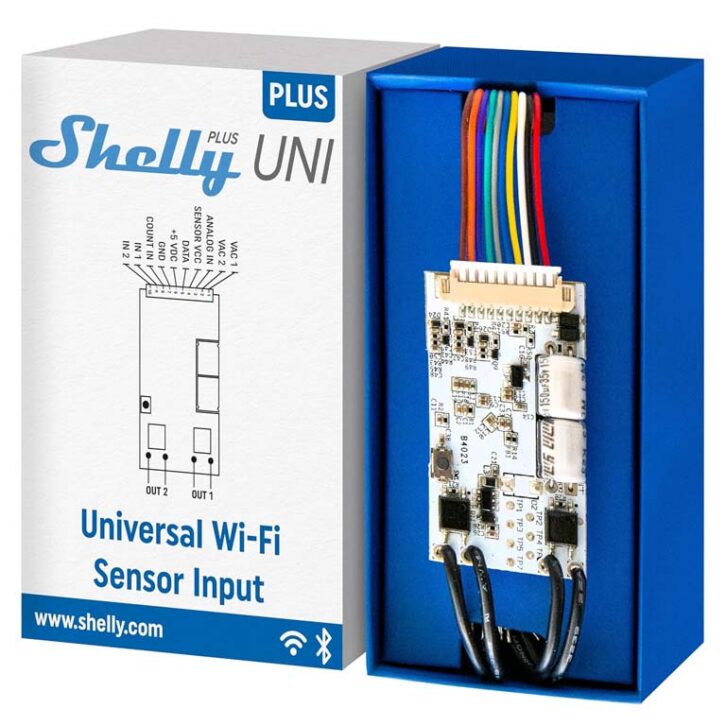
Not only does it do things no other device does, but it costs under $20 instead of several hundred.
This is a low-voltage Wi-Fi- and Bluetooth-controlled module with dry relay contacts. It is compatible with both Alexa and Google Home. The best part: No hub is required!
In addition to dry solid-state relay contacts, its small form-factor module has two digital inputs and one analog input that can be used to provide precise data readings.
The Shelly Plus Uni can be used to control devices using a mobile phone, PC or tablet. With its embedded Web interface, it can monitor and control as well as adjust settings.
One purchaser on Amazon wrote, “It’s like the Raspberry Pi of automation.” My mind is racing with application ideas, so if you invest your $18.99, be sure to let Workbench readers know your experience.
On Amazon search “Shelly Plus Uni.” You can see the specs on Shelly’s website.
Shelly makes “smart home” products including flood sensors, smart switches and plugs, thermostats, energy meters, safety devices and more.
Can you pass the test?
Few people like to take exams. And fear of failing is a common reason cited by engineers who have told me they haven’t taken an exam to be certified by the Society of Broadcast Engineers.
I think the society’s leadership is aware of this, which is one reason they offer a series of practice exams for the various levels called CertPreview.
CertPreview means you won’t be going into a test blind. The types of certification continue to grow; there are 13 practice exams listed.
There’s special pricing of $45 per practice test. Head over to the CertPreview website to learn about it.
Certification may help you get a pay raise or set you apart from other candidates when you are seeking your next career opportunity. Do your career a favor and make SBE certification a goal for 2026.
Test results are kept confidential. So if you blow a test — like I once did — no one else knows.
Take a hike
Larry Wilkins, the director of engineering services for the Alabama Broadcasters Association, would like you to take a hike … around your guy anchors.
Inspect for vegetation growth on or around the anchors. Look for signs of rust, broken ground connections and cracks in pier concrete.
View the guy paths to make sure they’re well clear of any trees that may fall on the wires. Tower erectors suggest you create a clear path 50 feet either side of the guys and 50 feet behind the outer guy anchor, if possible.
Enclose each anchor with a locked fence. Make sure the enclosure is large enough to allow maintenance vehicles to clear the wires.
As you inspect, use your smartphone to take pictures of each of the anchor points, along with notes of the inspection. Place these in your maintenance log.
Larry recommends you take a hike quarterly.
From the new to the old
How did you do with our mystery photo? If you guessed “amplifier” you are on the right track. If you identified the picture as a mic preamp, you know your stuff!
One has to marvel at how communications and broadcasting have evolved over the years.
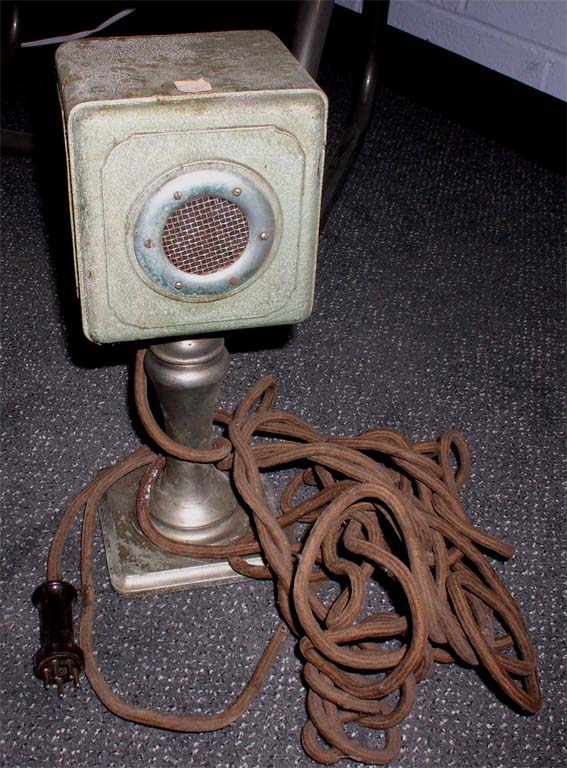
Frequent contributor Dan Slentz found this old mic at WHIZ in Zanesville, Ohio, and he had to open it to see what was inside. He’s pretty sure this was the AM station’s first mic, used when it signed on in 1928.
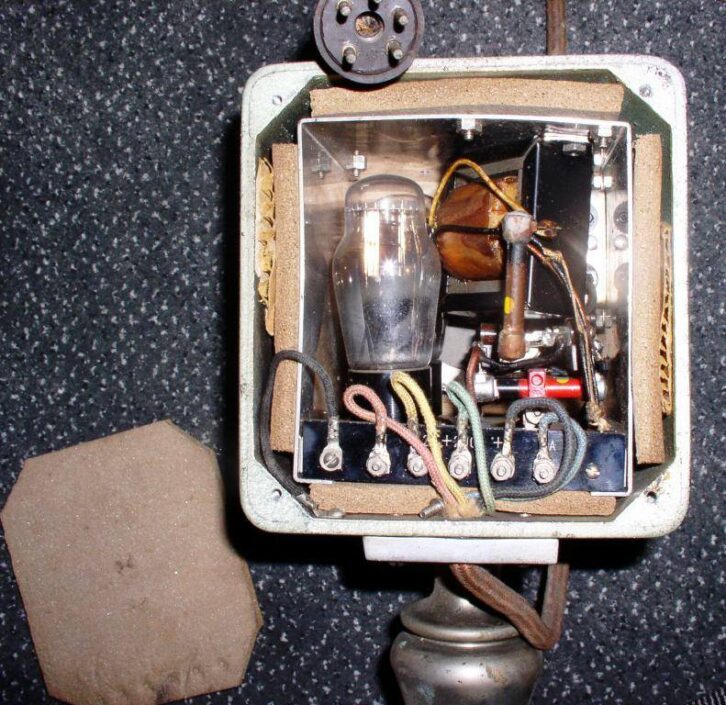
Dan notes that RCA had a similar mic but a label inside this one said, “Western Electric — Iowa.” Does anyone in Workbench land know more about this particular mic model?
My address for all tips and submissions is [email protected]. Workbench submissions are encouraged and qualify for SBE recertification credit.