This is one in a series of interviews about best practices in streaming.
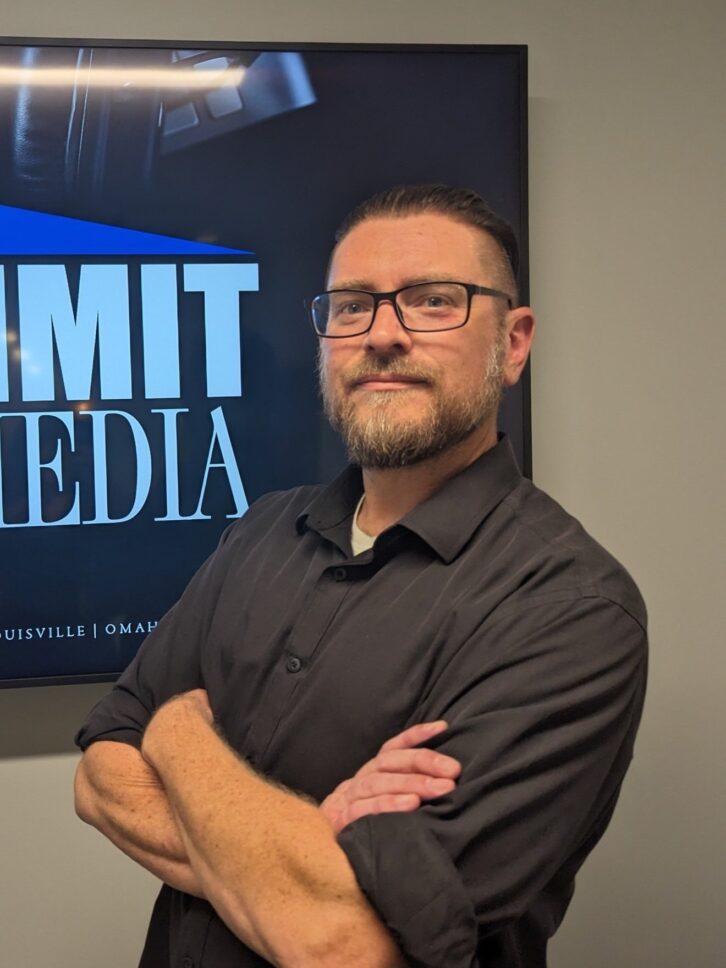
Jeff McGinley is the vice president of engineering at SummitMedia. His career includes work at Entercom and the Telos Alliance.
Radio World: How important is streaming to SummitMedia’s operations?
Jeff McGinley: It’s incredibly important. I’d say it’s almost on the same level as keeping the transmitters on the air. There’s a big focus on digital, especially with sales, as it’s a part of our packaging. We pay close attention, to make sure all of our streams are constantly on and constantly getting the correct metadata.
At this point, streaming is as important as the terrestrial broadcast, and it will only get more so as newer automobiles have more internet and Wi-Fi capabilities.
RW: Can you share what streaming solution SummitMedia has adopted?
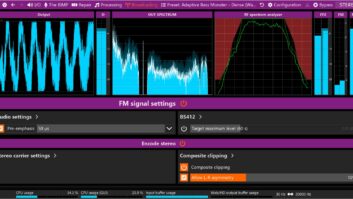
McGinley: We made a big shift at the start of 2024, when we flipped every single station in our company over to the Telos Forza with its Z/IPStream platform. We send that new stream out to RCS Revma. The combination has been great for us. The Forza portion — the audio processing part — sounds amazing.
RW: Why is the processing aspect so important?
McGinley: Everything’s different now. You’ve got Bluetooth speaker setups in every office, and making the stream sound great has become much more of a thing. The fact that Telos integrated the Forza processing into the Z/IPStream software is really cool. This integration helps a lot with level matching, which used to be a big problem with inserted ads on streams.
RW: You mentioned metadata. Is sales taking advantage of it for streaming too?
McGinley: We also helped develop the RCS AudioDisplay tool, and we have since adopted it. It allows text and image advertising content delivered in sync with audio onto our streams. In our Wichita market, in particular, that has been a significant boon with an area law firm.
RW: Speaking of best practices, what do you think is the biggest, overarching trend in streaming evolution over the last few years?
McGinley: I think it’s the shift towards built-in processing and loudness control. The big players have latched on, and it’s built into their offerings. If you look at any radio station’s marketing material today, you’re going to have “stream us online.” For smaller, “mom-and-pop” stations, they still have to have a stream — probably more so now than anything else.
RW: What about the issue of latency between the terrestrial signal and the stream?
McGinley: I don’t think the latency makes a difference for most music formats. The one exception is live sports broadcasts. That is probably the only real scenario where you’d notice it. However, we as broadcasters have little control over that. We can get low latency until we give it to our provider, but after that, we have zero control over what happens.
RW: Does SummitMedia use cloud-based solutions, and how does that affect streaming?
McGinley: Absolutely. We use RCS’ disaster recovery solution called Zetta Cloud DR, which is hosted through AWS. It syncs up with our local Zetta databases, and, if needed, I can hit “start” and it plays out of the cloud to a Barix, which then goes directly into our final processor. This is essentially a stream coming out of the cloud.
While we don’t use it for streaming specifically, you absolutely could host the processing, like Forza, and do the Z/IPStream all within the same AWS client to send to your streaming provider.
RW: Alright, then what’s holding you back from moving to a full cloud-based air chain?
McGinley: Right now, it’s the cost of bandwidth. AWS is expensive. Once that price per megabyte streamed comes down, we’ll probably see more reliance on the cloud. Companies are trying to decrease their physical square footage, and as hosting fees go down, it becomes more cost-effective than paying for a large rack room in an office lease.
RW: What is one of the most common technical mistakes you still see with streaming?
McGinley: I think it goes back to where we started: audio fidelity. A lot of engineers are still in the mindset that people are listening on a laptop speaker and won’t hear a difference. As the stream becomes as important as the terrestrial signal, you cannot sleep on that. You can’t just pull out an old Aphex 320A Compellor or an Orban 8100 out of the closet and say “That’s good enough.” It’s not. People really need to pay attention to sound quality for their streams now.
Read more on this topic in the Radio World ebook “Streaming Best Practices.”