The 25th anniversary of the Sept. 11, 2001, terror attacks is approaching. Radio World is presenting a series in which people share their memories.
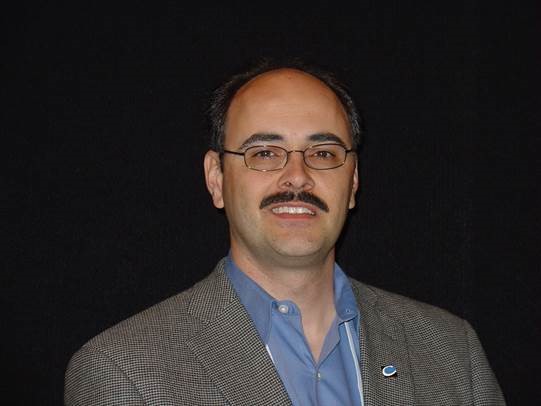
Jeff Littlejohn was the executive vice president of engineering operations for Clear Channel Broadcasting, Inc. About one year earlier, the company had completed the merger of Clear Channel, AMFM Inc., Capstar and Jacor.
Radio World: What is your first or most vivid memory of that day?
Jeff Littlejohn: I was in my office when I received a call from Al Kenyon, who had just landed in New York City. He called me from a taxi waiting at the entrance to the Midtown Tunnel and told me that some kind of plane had struck the World Trade Center. At that point, we all assumed it was a tragic accident.
Clear Channel owned WKTU, which transmitted from the World Trade Center. I remember walking into the conference room and turning on the national news just moments before the second plane hit. That second impact made it unmistakably clear that this was no accident.
One of my first concerns was the safety of our people. I was able to reach Josh Hadden in NYC, who confirmed that none of our engineering team had been at the World Trade Center that morning. Fortunately, AMFM had previously built a backup transmission facility for WKTU at the Empire State Building, so the station was only off the air briefly. Even with those pieces of good news, the scale of the disaster was almost impossible to comprehend. The enormity of what was unfolding made it difficult to process in real time.
Our studios for Z100 and WKTU were still located in Jersey City. From the studio windows, the World Trade Center was directly across the Hudson River in full view. Our on-air personalities weren’t describing something they were watching on television or reading on a website — they were describing what they were witnessing with their own eyes as the towers burned and eventually collapsed.
After those first few hours, much of that day — and honestly, the weeks that followed — became a blur. Everyone was operating on adrenaline, trying to keep our people safe, keep our stations on the air, and provide listeners with accurate information during a time of extraordinary uncertainty. Looking back now, it is still an emotionally charged topic for me to think about.
RW: Was your own normal daily radio workflow or that of your company affected? If so, in what way?
Littlejohn: Oh my god, yes. Myself and many others were focused on nothing other than this issue for several days.
Not long after the attacks in New York, rumors began spreading that other major cities might also be under attack. It was incredibly difficult to separate verified information from speculation. Recognizing the need for reliable, continuous coverage, we quickly assigned our news team to build a wall-to-wall news channel that any radio station could carry. We connected the feed to Premiere Radio Networks and created a dedicated channel that was made available to any affiliate with a Premiere XDS receiver, allowing stations across the country to provide uninterrupted news coverage during one of the most extraordinary days in our nation’s history.
We welcome memories of that day from readers. Email [email protected] with “Letter to the Editor” in the subject field.