In this “Future in Focus” series, we’re asking industry thought leaders, executives and engineers to comment on top trends of the past year and what they expect for radio in 2026.
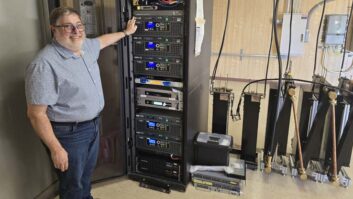
Michael Kernen, CSRE, is chief engineer for Crawford Broadcasting Detroit.

Radio World: What do you think is the most important thing that happened in the world of radio in 2025?
Michael Kernen: Elimination of federal funding for public radio.
RW: What technology/business/regulatory trend do you think is going to have the greatest impact on radio in 2026?
Kernen: AI voice tracking, vehicle manufacturers hiding OTA radio on their dashboard and/or eliminating AM and the continued loosening of ownership regulations.
RW: What will be your main professional goal or project in the coming 12 months?
Kernen: Security — Sites have to be under constant surveillance because of the threat of copper thieves.
As we’ve read about in RW, copper theft not only robs a transmitter site of crucial components, but causes damage far beyond the removal of the copper and an prolonged off-air period with its attendant disruption of business.
Maintenance — We have had years of projects that are behind us now: new antennae, transmitters, automation software platforms, even a 417-foot AM tower that collapsed due to a collision with a farm implement. It’s now time to get to little things: tower enclosures, new weed barrier underlayment and gravel, ATUs and tuning houses cleaned up, some time in general to polish the details.
RW: How do you think our industry will be different in 10 years?
Kernen: Radio will continue to struggle with staffing, especially for engineering positions. People coming into the field today are few and far between and those who do are nearly always IT. IT is certainly prolific in any radio environment, but candidates knowing electronics and RF principles too are exceedingly rare.
One could argue the dangers of simply hiring a candidate for a radio engineering job based on that person’s strength in IT only. Pay is another issue. Entry level radio engineering salaries lag far behind those in the IT field and the offset by any glamour or prestige of working in broadcasting is no longer a perception young people have.
Attracting AE professionals is equally challenging as many candidates seeking sales-related careers see radio as an exceedingly difficult medium to sell, crushing their commissions and limiting their earnings, especially when compared to pharmaceutical sales.
As underperforming stations and groups continue to cut into the bone to prop up meager profits, they’ll make themselves more and more irrelevant to listeners who have heretofore unimaginable numbers of entertainment choices at their fingertips.
Real talent, real human voices and real audience interaction are our trump cards when compared with other mediums, and for some reason are being abandoned by many broadcasters. If commercial broadcasting wants to see a reversal of trend that has seen sales rates flatten, they have to provide a perception of value to advertisers that they can’t ignore.
RW: Anything else we should know?
Kernen: Broadcast engineering is a great occupation for females, too! I’ve worked with a few female engineers and can’t believe more don’t work in our profession. Keep profiling women in broadcast engineering.
Radio World welcomes comments on this or any story. Email [email protected] with “Letter to the Editor” in the subject field.
Read more stories like this in our News Makers section.