In this “Future in Focus” series, we’re asking industry thought leaders, executives and engineers to comment on top trends of the past year and what they expect for radio in 2026.
Michelle Bradley, CBT, is founder of REC Networks.
Radio World: What do you think is the most important thing that happened in the world of radio in 2025?
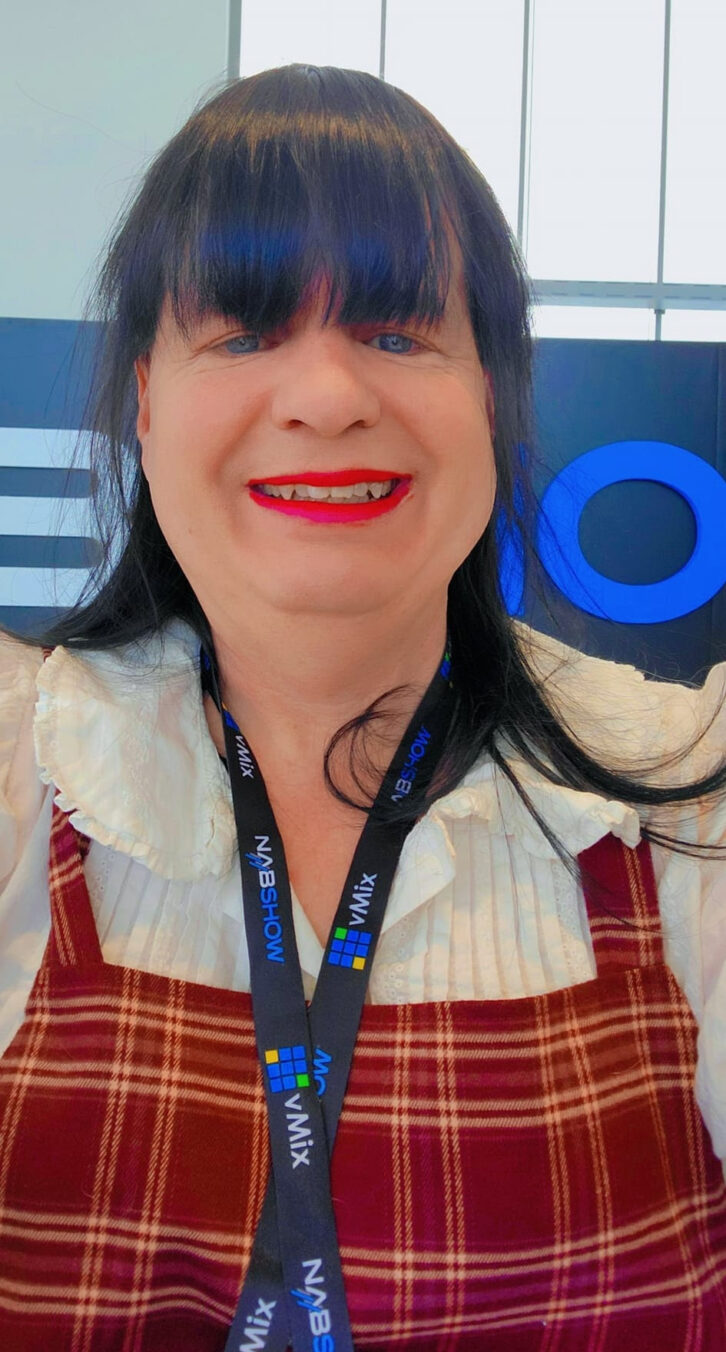
Michelle Bradley: 2025 has been a very stagnant year over here, mainly due to the dysfunction at the FCC under the current administration. Because of threats being made, especially towards secular noncommercial stations including NPR, independent and LPFM, there has been a lot of hesitation to move forward and a lack of confidence in the future.
The loss of the CPB funding was a major killer for some stations seeking to grow. The excitement is just not there right now.
RW: What technology or business trend do you think is going to have the greatest impact in 2026?
Bradley: AI is starting to play a bigger role, and we may see it more incorporated in the presentation and other aspects of station operation. I do worry that our dependence on AI in radio will go too far and will further steer listeners away.
I am looking forward to improvements to playout systems such as PlayoutOne version 6. And I hope 2026 is the year when we can finally get EAS better incorporated into playout systems and that we remove the certification requirements that are stifling development in this field and leaving us with a monopoly.
RW: What will be your main professional goal or project?
Bradley: Right now, staying afloat and keeping food on the table. The massive amount of uncertainty in the noncommercial/LPFM sector has impacted REC greatly. The shutdown didn’t help either.
Any efforts to improve smaller commercial, noncommercial and LPFM radio from a regulatory perspective are on hold as we are facing an administration that wants to “delete delete delete” regulations instead of creating them to help improve radio.
We have an industry that is too obsessed with removing the remaining ownership caps in radio. This will destroy the radio experience for many and drive more people to streaming. Until a new administration comes in, we are pretty much dead in the water.
REC may have some IT projects in 2026 to improve our free broadcast resources such as FCCdata.org and FCC.today.
RW: How will our industry be different in 10 years?
Bradley: It all depends on what happens during the remainder of Chairman Brendan Carr’s tenure and who is elected to the White House in 2028.
If things remain status quo, we will continue to see a major degradation of the medium, especially if the NAB gets their way on ownership. We will see the quality of content, especially local content, deteriorate even more than it already has.
We have broadcasters — radio and TV, commercial and noncommercial — living in fear of what “Brendy” may pull out of his hat next. While a new administration may reverse some actions taken by the current one, it may be too late for some small broadcasters, especially those who are just barely getting by.
We need commissioners who are not just attorneys and lobbyists, we need people with real-world knowledge of the industries they regulate and some basic understanding of the technology. I would rather see fve Extra class hams on the FCC than five lawyers.
The rate of attrition of AM stations has me concerned about where AM radio will be in 10 years. With the attrition in the United States as well as Mexico and Canada, perhaps it’s time again for the Northern Hemisphere Region 2 nations to look at potentially refarming the band to allow those AM stations that are still around to be able to improve their facilities, even if it means changing frequency. Of course, this is a double-edged sword because of the uncertainty of the future of AM radio and receivers being marketed in the U.S. Investing more money into AM does not look very attractive.
Any concept of expanding the FM band to local AM stations will meet resistance by the NAB — which represents both radio and the very few full-service TV stations left on Channels 5 and 6, a conflict of interest — and the general public’s present perception of radio in the face of competing streaming technologies and connected cars.
I worry about the future penetration of radio receivers. If you walk into a Best Buy and ask for a radio, what will the salesperson say?
It will only take a couple of good sweetheart deals between automakers and big tech to get all AM and FM radio receivers completely out of cars after a certain model year. The big radio companies and the NAB will not sound the alarm because their biggest members are also streaming providers, but they will cry alligator tears because of the so-called “competition” from streaming providers.
If radio is to survive, we need to have a local renaissance with more independent voices and more rightsized stations geared to the community they are licensed to. Instead of loosening ownership caps, we need to tighten them back, even if it means some stations may go off the air. Perhaps we have too much radio?
We need, for the first time, real ownership caps on noncommercial educational stations. There’s no reason one entity should be the licensee of hundreds of NCE stations.
We need commissioners who will stand up to the NAB and not kiss their ring on every opportunity. We need commissioners who realize that the NAB does not represent ALL broadcasters, only the ones with the influence and those who buy into the PACs.
The dam has already burst on AM and we have been seeing the damage for two decades. It’s only a matter of time before we start seeing similar fractures on FM. We need some serious changes to our industry’s regulatory framework. Those changes will not happen if only the NAB and their members are the only ones invited to the table.
RW: Final thoughts?
Bradley: We need a serious restructuring of our Emergency Alerting System.
The current AM-based Primary Entry Point system simply does not work. This is not 1964. This needs to be a joint effort of the FCC, FEMA, NOAA, broadcasters (not just the NAB and NPR) and the alert originators to develop a new structure and to use the functionality that is already available to us, such as Partial County Alerting and NOAA finally sending weather alerts over IPAWS.
IPAWS can work if reporting agencies actually use it — and use it correctly — with minimal bureaucracy at state level and with better functionality to prevent false locations on real alerts, like we had this past year or so in southern California and Delaware. Any major changes to the system should come through appropriations and not on the backs of local broadcast stations.
Radio World welcomes other points of view about this and any story. Email [email protected], with “Letter to the Editor” in the subject field.
Read more stories like this in our News Makers section.