Stingray’s acquisition of TuneIn provides insight into the competitive global audio marketplace. We talked with TuneIn CEO Rich Stern about the deal, and about radio’s role in cars with IP-based connections and the possible benefits to radio of a larger presence in connected TVs.
Stingray Group is based in Montreal and is publicly traded. Its businesses include music and video content distribution, business services and advertising solutions.
Radio aggregator TuneIn was founded as RadioTime by Bill Moore in 2002; six years ago Innovation Endeavors took a controlling stake. TuneIn is headquartered in New York but has various locations including San Francisco, where it long was based.

Eric Boyko is the founder, CEO and president of Stingray. He calls the TuneIn purchase a strategic acquisition that enhances Stingray’s reach by combining its own premium music and video content with TuneIn’s partnerships with device manufacturers, auto companies and content providers.
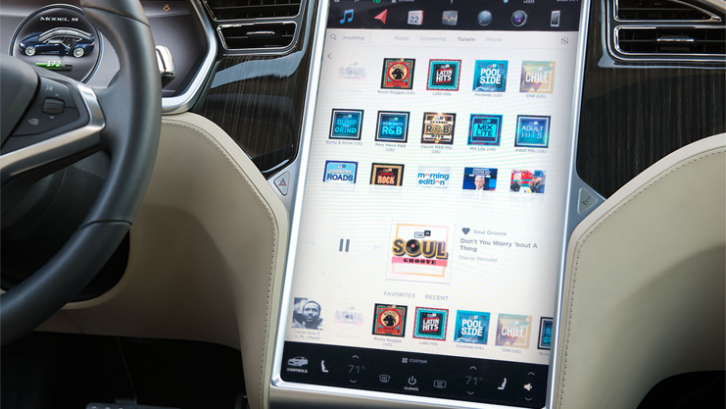
The TuneIn live-streaming audio service is seen by many as an important tool in radio’s digital distribution and monetization strategies. TuneIn content is distributed across approximately 200 platforms and connected devices, including some 50 in-car audio systems in 100 countries.
The acquisition closed in December and is valued at up to $175 million, based on TuneIn’s forecast sales of $110 million for the 12 months ending Dec. 31, 2025. Stingray was to pay $150 million at closing and up to $25 million by next December.
Dash potential
Rich Stern joined TuneIn as CEO in 2020, with a background in product management for Audible, Playstation and Amazon Studios.
He said being part of Stingray ensures that TuneIn is capitalized to deliver on its mission: to “reinvent radio” with its partners in the digital world.
“This is a big win versus TuneIn as a standalone company,” he said.

“We had been successful to a point, but it was still a venture-backed company. We did a hundred million or so in revenue every year. Now we’re about five times the size of that, coming together with Stingray. And we’re a public company that has a market cap of just over a billion dollars.”
TuneIn has about 110 employees and 75 million monthly active users. Its footprint is substantial, partnering globally with 100,000 stations and approximately 5 million podcasts.
The portal’s biggest focus will remain on the car, Stern said. It’s a “growing opportunity for radio,” with ongoing integration of the audio streaming app in in-car operating systems.
That space is changing quickly. He pointed to GM’s decision eventually to end smartphone mirroring for Apple CarPlay and Android Auto in GM gas and electric vehicles, as we have recently reported.
He says that decision won’t necessarily hurt TuneIn but creates an opportunity for a more seamless, native in-car experience through direct integrations — a pre-installed, pre-configured TuneIn platform would be better for both passengers and the service.
[Related: “TuneIn Has New Partnership With Nissan”]
“By partnering directly with automakers, apps like TuneIn are easier for drivers and passengers to discover and start listening rather than dealing with wires and Bluetooth connections. Essentially, it opens up the service to new audiences who may not have downloaded the app or connected their phone, expanding reach while delivering a safer experience,” he said.
“We eventually hope to have TuneIn’s player embedded in every car manufacturer in the world.”
Bullish on radio
Stern said carmakers are deciding on the best way to bring radio into new cars that now have high-speed data connections.
“Does it make sense to rely on AM/FM chipsets and antennas, or is it time to go digital? Or in some cases is it time to have a hybrid of both? Do they want to switch to an all-digital version in their cars that would offer you the same content, but just deliver it via IP, whether that be a 4G or a 5G data connection in the vehicle?”
Stern believes auto manufacturers have nothing against radio but are looking for more digital-first experiences for driver and passenger.
“Mary Barra at GM is saying ‘Look, infotainment really matters.’ They don’t want to be in a position where a large tech platform like Apple or Google can come in, take over the screens in their vehicles and then decide what the experience for a GM driver or passenger is in that car. (Automakers) want to control that. We think that we’re now in a better position to help build a great experience.”
The TuneIn platform has the largest directory of radio stations on the planet, according to Stern, with more live audio than any other audio platform including Spotify, SiriusXM and others in that category.
He acknowledges that OTA radio is struggling as an industry but is a fan of what companies like iHeartMedia and Audacy are doing.
“I continue to be very bullish about radio. There is a significant transformation that’s underway as we go from traditional over-the-air broadcast to radio in its digital incarnation,” he said.
“I think the future is very bright. Even if you look at very large-scaled broadcast organizations like iHeart, the growth that they’re seeing on the digital side of their businesses is noteworthy. Look at the opportunity that they’re creating with their partnership with TikTok. There’s a lot of room for innovation.
“I’ll give you another example. Audacy went into bankruptcy to reorganize their debt. Now as a private company, I think Audacy’s doing great. They’re a partner on the platform, I see how their business is performing. That reorganization has given them a fresh start.”
Stern called Audacy CEO Kelli Turner “a fantastic leader.”
“Similarly, Bob Pittman and the iHeart team have been dealing with their debt. If they can give themselves some breathing room and continue to innovate, there’s lots to be excited about.”
Still, he said the traditional over-the-air broadcast side of radio will face turbulence. “That’s where a lot of the disruption is happening right now. That’s where a lot of the business is transforming.”
“Growing like crazy”
Stingray has done a lot of work in connected TV, Stern says, which opens up a device category in which TuneIn has not been strong.
“We’ve done a great job in connected vehicles. I think we’ve done a great job in smart speakers. But connected television is a massive category. Audio is growing like crazy there, and Stingray really gives us a leg up. They’ve got major relationships with LG, with Samsung, with Vizio, all of which have access to TuneIn as part of (Stingray) buying the company.”
He called this an opportunity to extend and diversify the reach that TuneIn offers its broadcast partners.
“Television sets are the media hubs for the home because people are already listening to podcasts on their connected TVs. They’re already listening to music on their connected TVs. Radio should absolutely be part of that ecosystem.”
Additionally, Stern says, many of its radio partners now produce video content.
“They’re putting cameras in their studios for their morning shows. They’re developing a lot of video content that they can bring to social media to other platforms like YouTube. And this gives us an ability to not just distribute their audio content but also distribute their video content on devices with screens like connected TVs.”
The parent company’s expertise in ad tech will allow it to grow the programmatic monetization capabilities of TuneIn, he said.
“Stingray helps us go even further in terms of what we’d be able to do on that front, both in terms of addressability data, but also just the diversity of demand that they’re doing. So going into [2026], broadcasters are going to see more options to work with TuneIn to help sell your inventories in a programmatic digital marketplace.”
He expects more demand from partners coming to TuneIn looking for broadcast inventories and more opportunities to create new revenue streams for broadcast partners.
“Stingray has retail media, they have in-car karaoke, they also have some traditional streaming music stations that they curate on their own. And figuring out how we can bring their portfolio and our portfolio together to bring more value to our device partners, that’s something we’re going to spend a lot of time on.”
Stingray appears poised to play an increasingly important role in the world of audio. It also recently introduced BYD Audio by Stingray, a partnership with BYD, a Chinese manufacturer of new energy vehicles.
In a press release, the company said BYD Audio by Stingray will deliver “hundreds of expertly curated music channels refreshed weekly with the latest hits and new releases, over 4 million popular podcasts and access to thousands of global radio channels” to drivers and passengers.
[Do you receive the Radio World SmartBrief newsletter each weekday morning? We invite you to sign up here.]