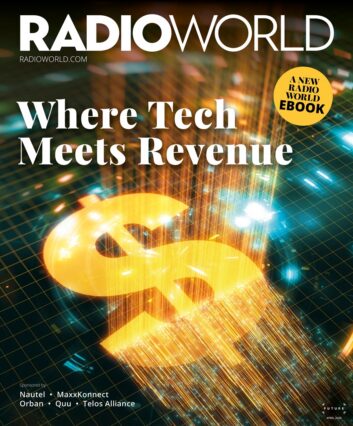
A new Radio World ebook explores how technology solutions can support expanded revenue for radio broadcasters. This is an excerpt.
John Caracciolo is the president/CEO of JVC Broadcasting on Long Island and a former radio engineer. He says technology in radio isn’t about being cutting-edge — it’s about being revenue-generating.
“If it doesn’t help us sell more, prove more, or reach more, then it’s not a strategy, it’s a distraction and in a local cluster we have a lot of distractions.”
In his view, one of the biggest missed opportunities in our industry today is metadata.
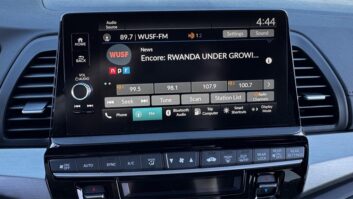
“What was once purely informational is now premium, sellable inventory. RDS, HD Radio displays, app screens and dashboards all represent visual real estate that advertisers value. ‘Now Playing’ fields, artist information and station branding can all be sponsored, targeted and monetized. Broadcasters need to stop thinking of metadata as support content and start treating it as revenue.”
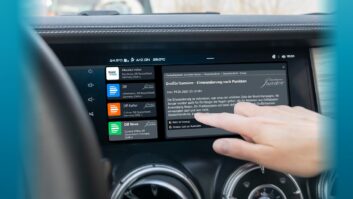
He told us that the car dashboard has become the new homepage for audio.
“We are no longer competing on audio alone — we are competing visually with streaming platforms that have trained consumers to expect a rich, interactive experience. Hybrid radio, combining over-the-air broadcast with IP delivery, allows us to deliver that experience while maintaining the scale and reliability of traditional radio.
“That dashboard presence is not just a listener benefit — it’s a premium sponsorship opportunity.”
At the same time, Caracciolo said, the ability to prove performance has never been more critical.
“Advertisers today expect more than affidavits; they expect attribution. Streaming analytics, app engagement, QR code tracking and dedicated landing pages give broadcasters the tools to demonstrate real results. If we can’t prove effectiveness, we will continue to lose revenue to digital competitors who can.”
This shift, he said, requires a mindset change inside radio organizations. Engineers and technical teams are no longer just responsible for keeping stations on the air; they are critical to driving revenue.
“The most valuable technical professionals today are those who understand how to translate capabilities into sellable products and work alongside sales teams to bring those ideas to market. We are a sales company, period. In our company you either work for sales or you support sales.”
For small and medium-market broadcasters, the opportunity is even greater.
“You don’t need massive budgets to compete — you need agility, creativity and the ability to execute quickly. Local broadcasters can bundle on-air, digital, social and event assets into customized campaigns that larger competitors simply can’t match.
“The key is to recognize the value of everything you have and stop giving it away.”
Too often, Caracciolo feels, our industry’s revenue challenges are not caused by a lack of technology, but by undervaluing its existing assets.
“Every impression, every placement, every integration has value. When we package those assets correctly and present them with confidence, the revenue follows,” he said.
“Hybrid radio, enhanced metadata and advanced analytics are not just technical upgrades — they are business tools. The broadcasters who succeed will be the ones who align their technical strategy with their revenue strategy and execute with discipline.”
Radio’s core strengths — trust, reach and local connection — remain as powerful as ever, he concludes.
“Technology doesn’t replace those strengths; it amplifies them. And when used correctly, it gives us the tools not just to compete, but to win.”