Few jobs have you coloring with washable markers before fishing using a metal pole as bait.
In fact, I can’t think of a job that does.
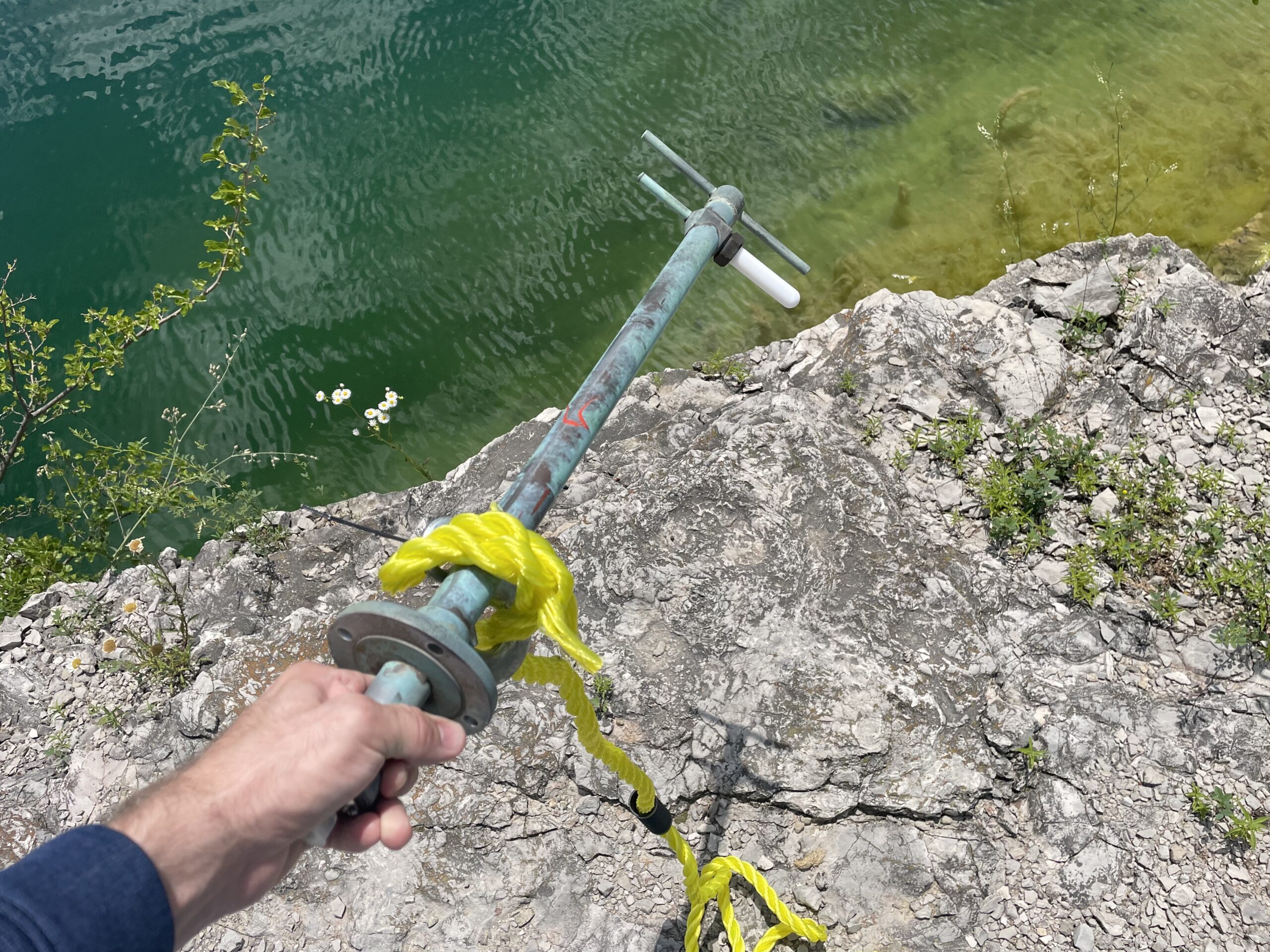
But this is what I found myself doing when I decided to repair a broken studio to transmitter link’s feed antenna.
To dramatically oversimplify things, an antenna is an electronically resonating stick that cares an awful lot about its geometry. It’s happy to propagate your selected frequency as long as it’s the right size, the right material and in the right relation to its ground structure.
From the outside, this antenna seemed to be the right size and right material, but on the inside, its heart was cold, ice cold in fact, at least in the winter. All that to say, it was filled with water, causing a short between the ground structure and the resonator.
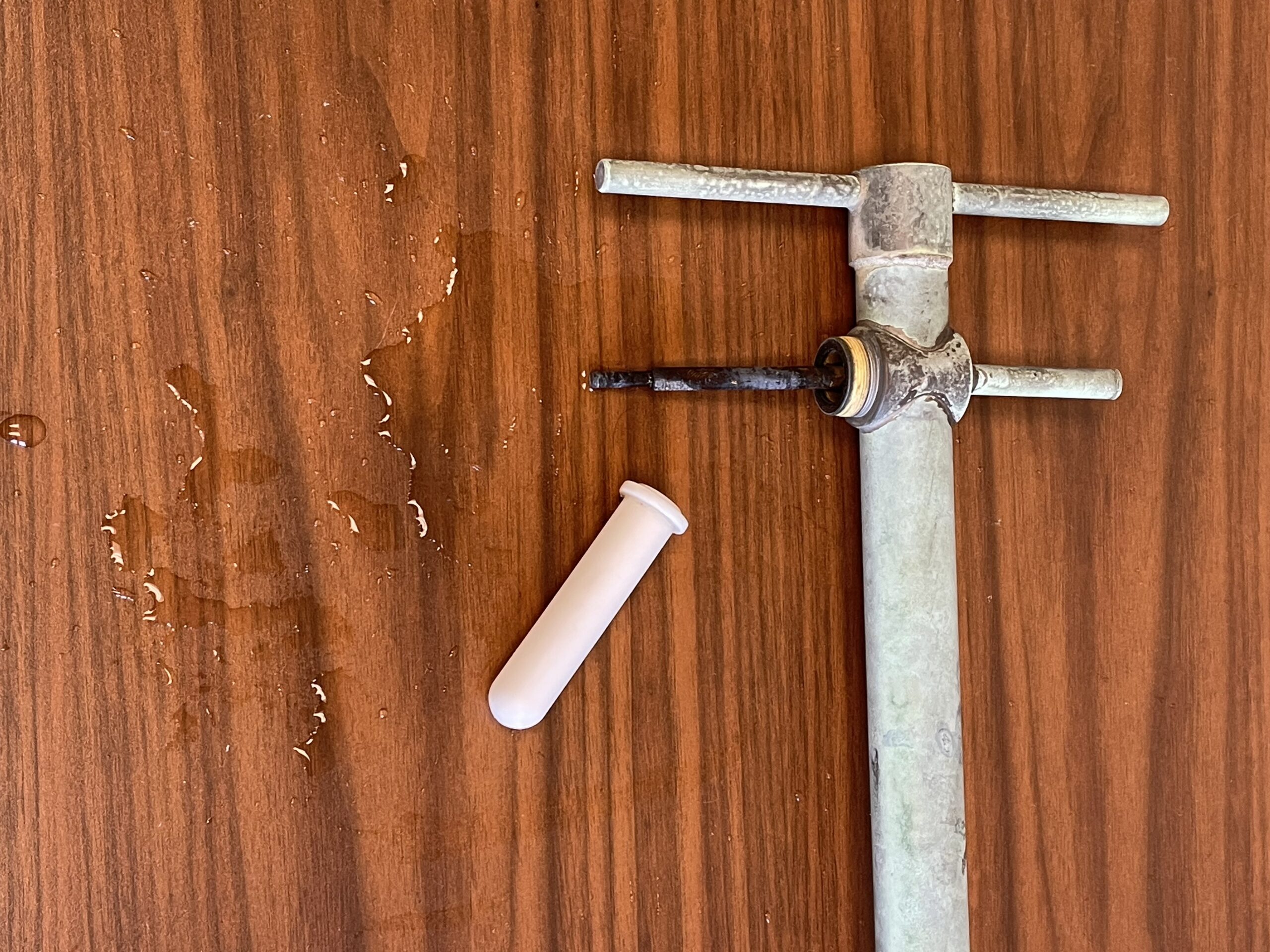
The fix was rather easy: Get rid of the water and you have a happy antenna again. And indeed, it worked.
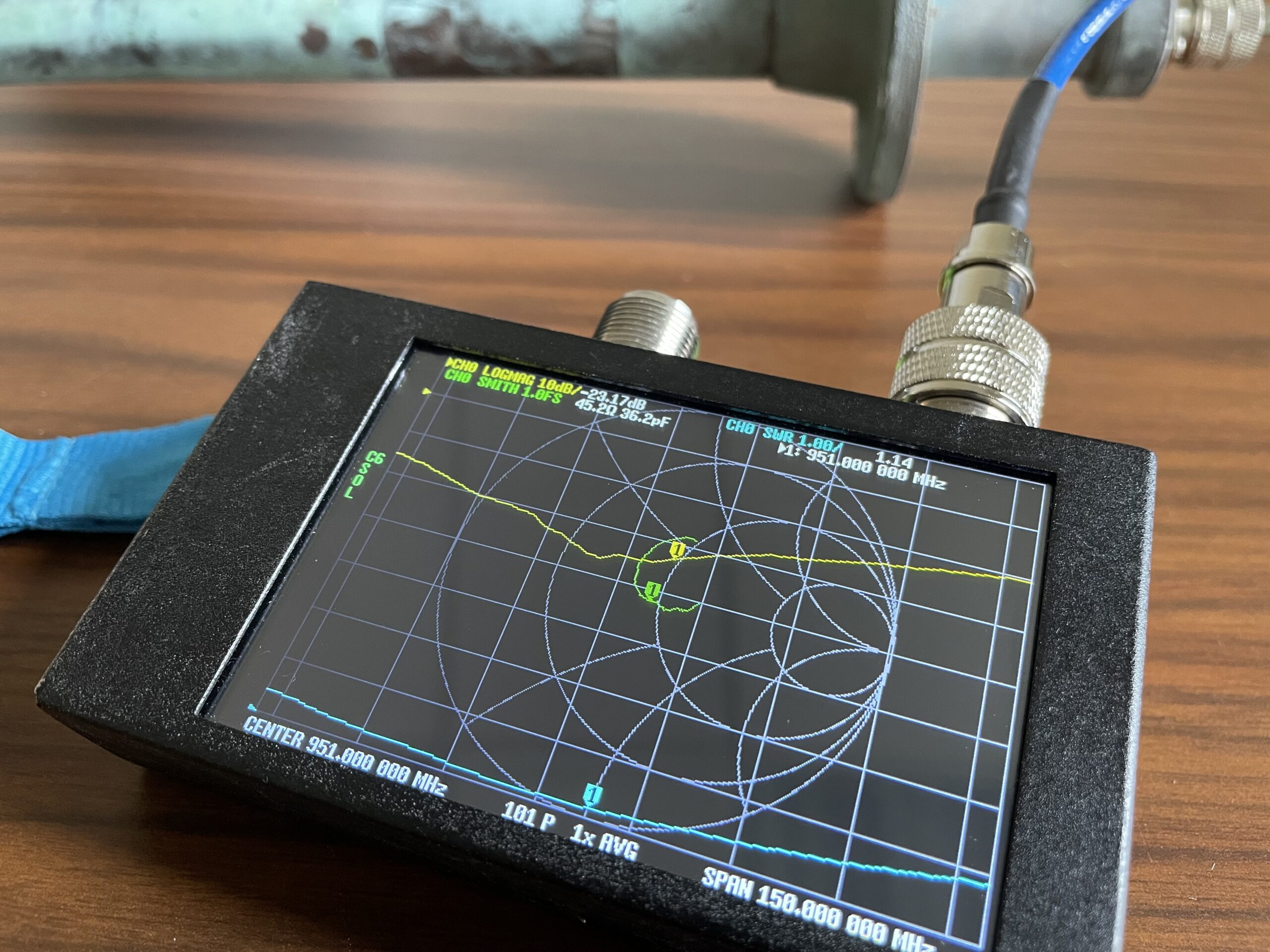
Upon emptying the water, I tested it with a NanoVNA SAA-2N — a device that, again, with oversimplification, resonates the metal stick and listens to how it sounds — and it tested brilliantly! But one problem remained: How did the water get into the antenna in the first place?
Gone fishing
There were three areas of potential water ingress: the N-type connector, the opening for the active element and potentially a bad weld joint. The old O-rings for the N-type connector and active element were as flat as pancakes — not great, but very revealing as to the cause.
I opted for Vitron O-ring replacements as they tend to last longer than nitrile, though they are more expensive.
After replacing the O-rings, I tested the setup, as the possibility of a compromised weld lingered in my mind.
I could fill the body with pressurized air and see if it could hold it. But I had access to a lake and washable markers, so I went that route.
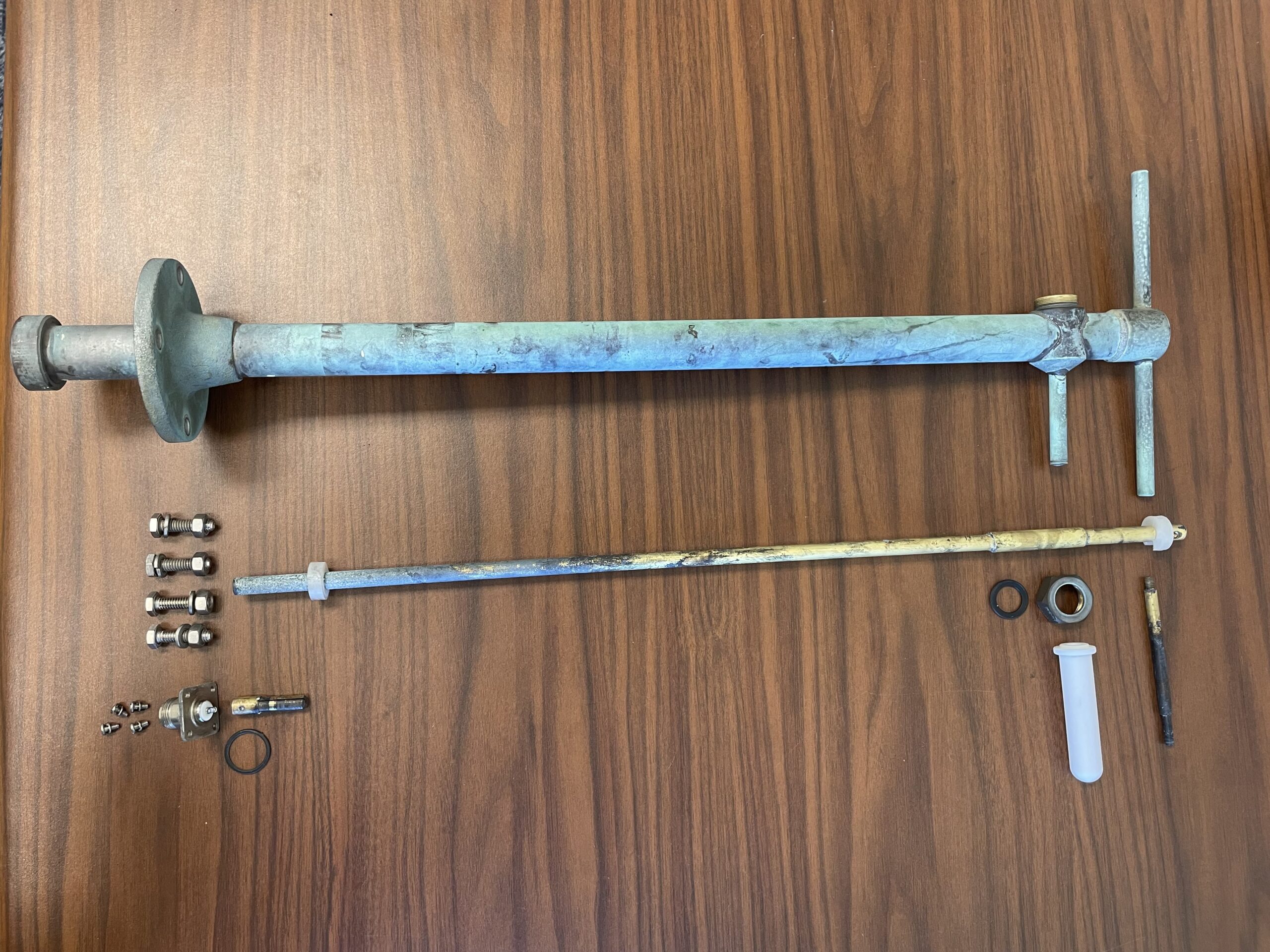
I colored lines onto a thin paper towel before stuffing it into the antenna body. If water were to get into the antenna, providing it didn’t fill it completely, it would cause the clean lines to splotch, revealing the area of ingress.
Attaching a rope to the body of the antenna, I then tossed it into the lake for a few minutes. While a submerged test is far from a perfect simulation of what extremes can be expected on a tower, it gave me some confidence as to how shipshape this antenna was.
Sure enough, I didn’t find any traces of water upon opening the antenna. And after getting over the disappointment of not catching any fish, I put the antenna together again and performed another successful test with it on the NanoVNA.
As an extra measure of precaution, I placed self-amalgamating tape and high-quality electrical tape over the connections for water and UV protection, ensuring our STL’s feed antenna won’t be feeding fish again anytime soon.
The joy I often find in broadcast engineering work is all the creative problem-solving that often encompasses so many other disciplines. I have the privilege of wearing so many different hats — and in this case, that includes a fisherman’s bucket hat.