The author is the owner/operator of Raydio, a streaming station located in Milford, Mass.
In today’s digital world, internet radio has the ability to reach anyone, anywhere. A station can broadcast across continents with the click of a button.
But when I started Raydio, I made a decision that might seem unusual in that environment.
Even though the technology allows the station to be heard around the world, I chose to keep the focus local, to the greater Milford, Mass., area, located in Boston’s metrowest suburbs.
Raydio officially launched full-time on Dec. 2, 2024, with a simple mission: connect the community through upbeat music, positivity and hyperlocal content.
After spending years in corporate terrestrial radio, I learned something important. The thing I loved most about radio was never the size of the signal. It was the connection to the community.
When I left corporate radio, I had the opportunity to work at a family-owned station. That experience turned out to be incredibly important. It helped me develop the relationships I still have today with listeners, business owners, musicians and community leaders throughout my listening area.
More importantly, it reminded me what radio is supposed to feel like.
Celebrating normal people
Local radio, when it’s done right, becomes part of everyday life. It celebrates the community, supports local businesses, highlights local talent and builds trust with listeners over time. Those relationships became the foundation for how I think about radio today.
My model for Raydio is built on creating and maintaining that trust within the community.
Over time, though, I began to notice something happening.
Even the local station I loved slowly started drifting toward more corporate practices. Community involvement began to fade. Decisions became less about the people listening and more about the structure of the business.
That was difficult to watch.
Because the version of radio I fell in love with was the one that showed up in the community. The one that knew the local restaurants, the local bands, the charity events, the school stories and the people who make the area special.
And this area, in and around Milford is full of those stories.
There are so many incredible organizations, small businesses and individuals doing meaningful things every single day.
From entrepreneurs building something from the ground up to nonprofits making a real difference, there is no shortage of stories to tell or events to promote. It’s one of the reasons a hyperlocal station like Raydio works here.
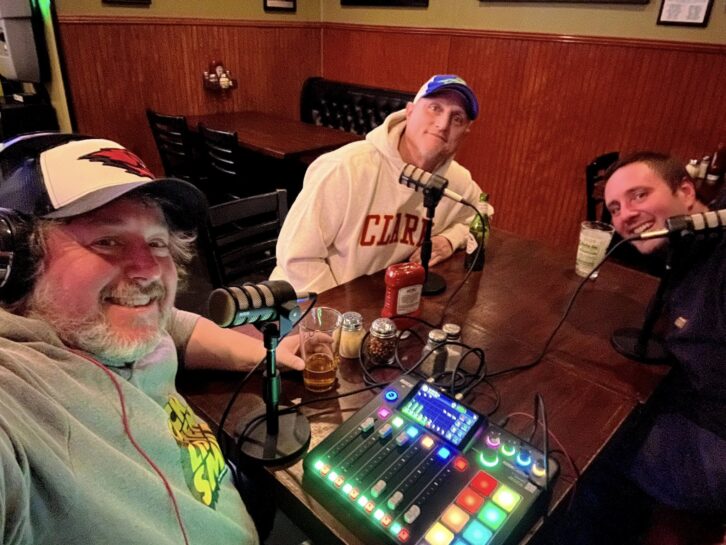
On my morning show, I regularly bring those voices on the air. Business owners, event organizers, musicians and community leaders all get a chance to share what they’re doing. Those conversations don’t just inform listeners, they build connections.
Hyperlocal internet radio

So when Raydio launched, I made a deliberate decision.
Even though internet radio allows you to broadcast worldwide, the station itself would remain focused on the community where I broadcast from and the fifteen surrounding towns that make up my listening area.
The stream may technically reach anywhere, but the conversations, stories and relationships are rooted right here.
Local voice.
Local music.
Local stories.
Mixed with the songs people already know and love.
Raydio plays a wide range of upbeat music from multiple decades and genres. Rock, pop, country, new and old and plenty of songs people may not hear as often anymore. I never wanted the station to feel locked into one narrow format. Music should have some variety. It should surprise you a little and, most importantly, make you smile.
But while Raydio operates online, I intentionally structured the station to sound like traditional radio.
The programming clock is built much like a terrestrial station. We use sweepers, liners, jingles and structured commercial breaks. That familiar sound gives listeners the feeling of a real radio station rather than just a playlist.
Those commercial breaks are also how Raydio makes its money.
Local businesses sponsor the station, allowing us to keep the music playing while promoting the companies that help make our community thrive.
The difference is that without the overhead of traditional broadcast radio, Raydio doesn’t need nearly as many advertisers to operate. That means commercial breaks are shorter and the music keeps flowing.
Simply put: more music and fewer interruptions.
Community connection
Beyond the music and format, Raydio has also grown into something much bigger than just a place to hear songs.
It has become a platform that celebrates the community.
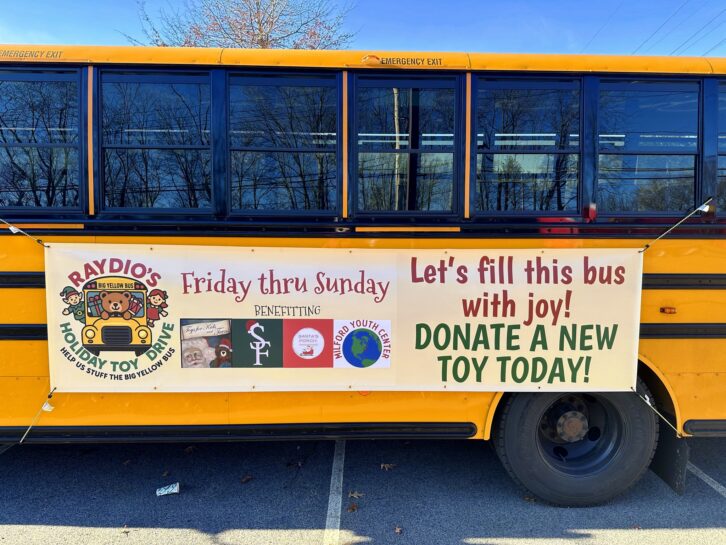
We highlight local businesses, promote local events, support charities and create events of our own that bring people together.
Events like the “Battle of the Bartenders” shine a spotlight on the service industry, giving bartenders recognition while bringing energy and attention to local establishments. This is showcased with a fun competition between a handful of bartenders that the listers vote on to make it to the finals.
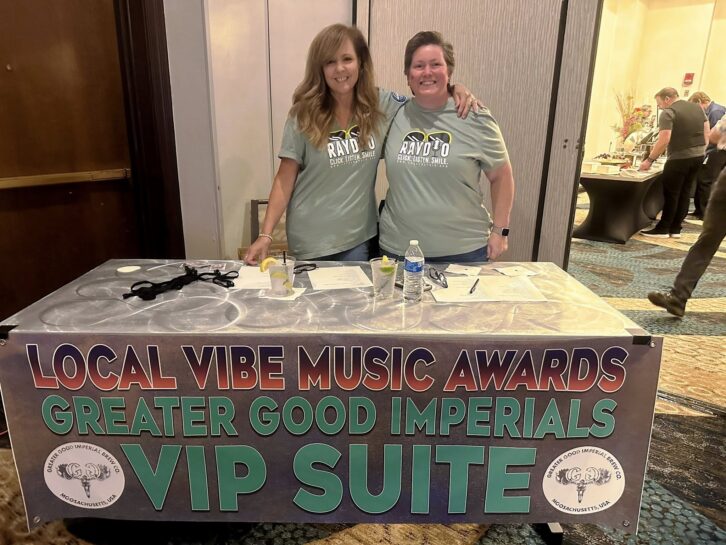
“The Local Vibe Awards” do the same for the music scene, celebrating local artists and giving them a platform in front of their own community with an awards show in the fall complete with 10 live performances and awards.
Being part of community events is a big part of what Raydio does. We regularly partner with local organizations and chambers across the listening area. One upcoming example is a local chamber’s “Family Fest and Home Show,” where we’ll be on site giving out prizes, meeting listeners, and promoting the station.
One of my favorite parts of the station is supporting local musicians. Through shows like “The Local Vibe,” Raydio gives artists from the area a chance to share their music with the community. When a local band hears their song played on Raydio, it means something different than being buried in a massive global playlist. It’s their neighbors hearing them.
And that connection matters.
In an era where so much media feels distant and impersonal, I believe people still crave something familiar. They want a station that sounds like home. A station that talks about their towns, their businesses, their events, and their music.
Raydio isn’t trying to become the biggest station on the internet.
It’s trying to keep something alive.
Small-market, local radio, the kind we all grew up with and still love, absolutely can exist in the big, wide world of internet radio. Technology may have changed how we broadcast, but it doesn’t have to change why we do it.
Local radio still matters.
It’s about trust.
It’s about relationships.
It’s about community.
And if Raydio can help keep that tradition alive for the next generation of listeners, then this journey will have been more than worth it.
Radio World welcomes letters to the editor on this or any story. Email [email protected].