This is the second in a series about the author’s experiences helping to launch and operate WDOG(LP) “The Rock Dog.” Read Dan’s first feature in the series, “It’s the People Who Craft a Career in Radio.”
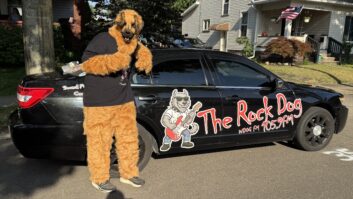
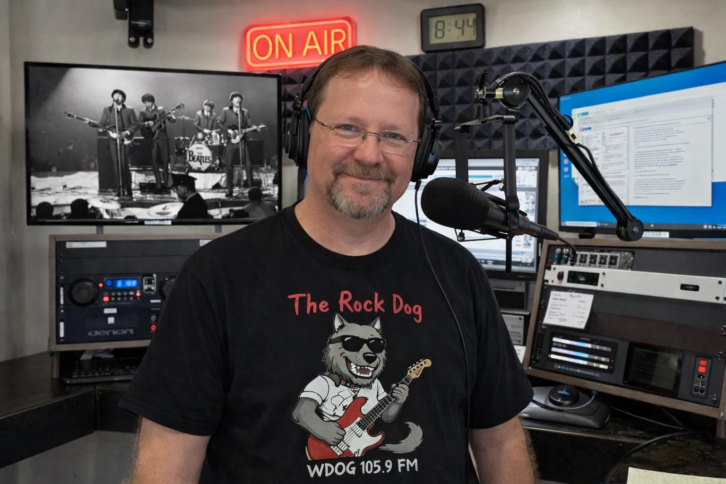
WDOG(LP) in New Philadelphia, Ohio is my latest “pet project” (you have to love the pun). This is the third LPFM I’ve built and launched, and my fourth FM station overall, counting a Class C in Dallas, Texas.
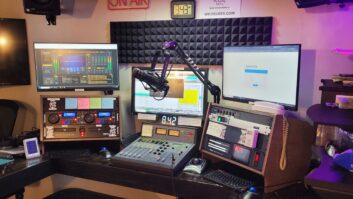
WDOG is easily the most fun project yet. After decades of “playing radio” alongside industry greats, top program directors and brilliant music directors, I took everything I learned over the years and crammed it into this tiny 100-watt station.
The secret to making it work isn’t really a secret. It is just common sense. What made radio great decades ago is still the key to success today: offering something people want that they can’t get anywhere else, and making the station entirely relevant to the listener.
A friend who was high up in the corporate radio food chain once branded their HD Radio stations as “all your favorite music, all the time.” To me, that missed the mark. The only guaranteed way to get all my favorite music all the time is to use my own media player or a streaming service loaded with my specific library.
What I really want from radio is my preferred style of music, combined with an introduction to fun tracks I haven’t thought about in years or have never heard before. Tell me compelling stories about the artists, their tour dates and when they are coming to town.
More importantly, tell me what is happening down the street. If I just saw smoke and heard sirens, I want to know what is going on. I don’t need a digital jukebox; my phone already fills that void. I want entertaining, fun, local content that keeps me engaged. That is the secret to great radio.
When you are on a massive commercial Class C rocker, it is a blast to know you are reaching hundreds of thousands of people. However, it is also incredibly easy to alienate your audience by focusing too heavily on one specific neighborhood, leaving three-quarters of your coverage area bored by the topic.
The same rule applies to web streaming. You can talk about generic lifestyle topics and celebrities, but why try to compete with “Inside Edition,” “Entertainment Tonight” or millions of entertainment websites?
This is where an LPFM or a localized Class A station holds a massive competitive advantage: true local relevance.
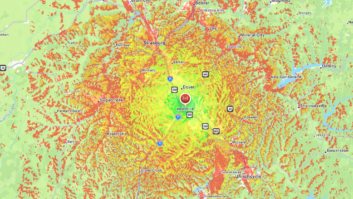
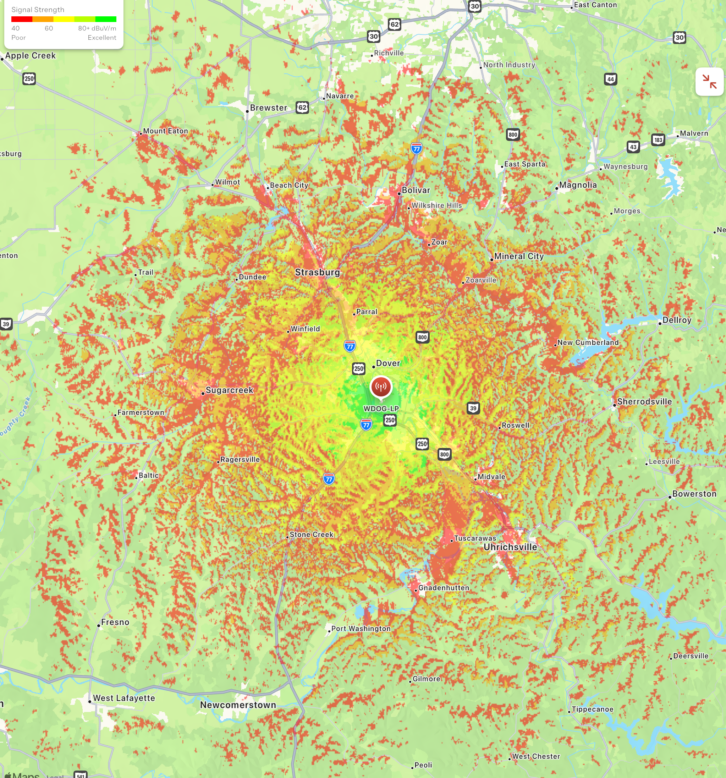
With an LPFM reaching roughly six miles from the antenna tower, your audience is clustered into a few local towns. When you talk about something hyper-local, it is almost guaranteed to matter to your listeners.
If you say, “There is a major pothole on Wooster Avenue by the bridge in Dover,” your audience knows exactly where that is. It affects their day. Focusing on local people, local events and local names creates an instant bond between the station and the community.
While this sounds like basic common sense, it is routinely ignored by major broadcast groups. Corporate strategies often rely on voice-tracking a single air talent across dozens of markets. Too often, those announcers know nothing about the towns they are broadcasting to, leading to cringe-worthy mispronunciations of local street names.
Years ago, my first radio boss, Gary Petricola, called me into his office at WJER(AM/FM). I was just a high school senior who routinely asked Gary for a few minutes of his time to learn the business.
He asked me, “Why are we here at WJER?”
Full of high school idealism, I answered, “To serve the public and provide information and entertainment.”
Gary looked at me sternly.
“NO! We are here to sell commercials! Because we want to serve the public, we must make money to keep the doors open. Our first priority is selling spots. With that revenue, we can do a lot of very good things for the community and have fun being in radio.”
I miss Gary. He passed away far too soon, but he had a true love for radio that was firmly anchored by sharp business sense.
Operating a non-profit, noncommercial station today reminds me daily how critical our underwriters are to our survival. The big difference now is that all our “profits” go right back into the local community. It is the best of both worlds: having fun on the air while actively giving back.
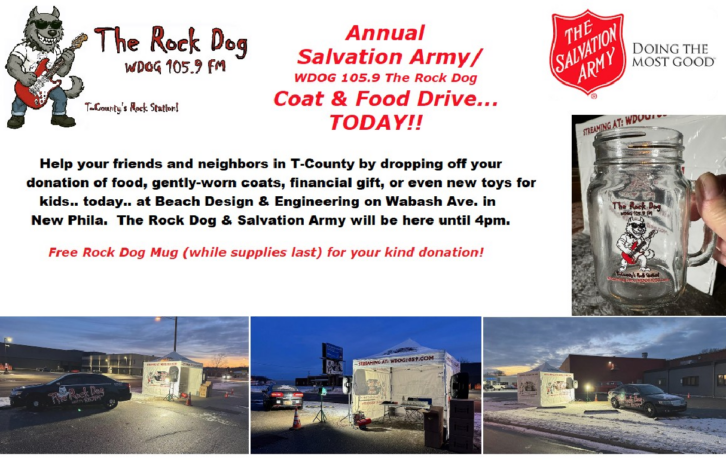
WDOG has filled a massive local broadcast void with our unique rock format. We have been incredibly fortunate that listeners quickly connected with “The Rock Dog” and embraced our volunteers.
There is nothing quite like having listeners who are die-hard fans — except when those listeners turn into genuine friends.
In my upcoming columns, we will dive deeper into formats, branding and how “The Rock Dog” — with its mighty 100,000 milliwatts of flame-throwing power — became the voice of the community.
Comment on this or any article. Email [email protected].
In part 3 of the series, Dan discusses his WDOG’s programming and music choices.