The good news: Successful radio stations have passionate audiences, and the mission for NPR and its affiliates is straightforward. Your listeners, underwriters and grantors already care deeply about your programming. They are involved because they believe in your station. Tap into those feelings consistently, and your financial growth will follow.
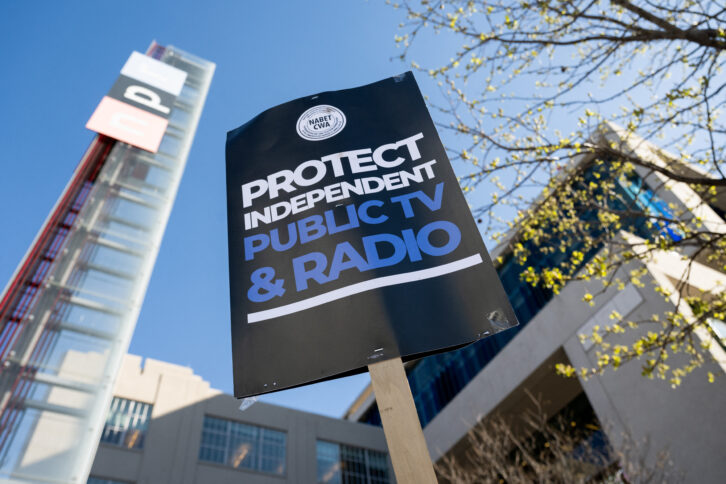
By most accounts, NPR’s recent “Stand with Public Media” campaign was highly successful. The New York Times cites Michal Heiplik of the Contributor Development Partnership, estimating that 120,000 new donors contributed approximately $20 million in annual value — about $70 million more than last year.
For context, NPR told Congress it reaches 43 million listeners across its platforms.
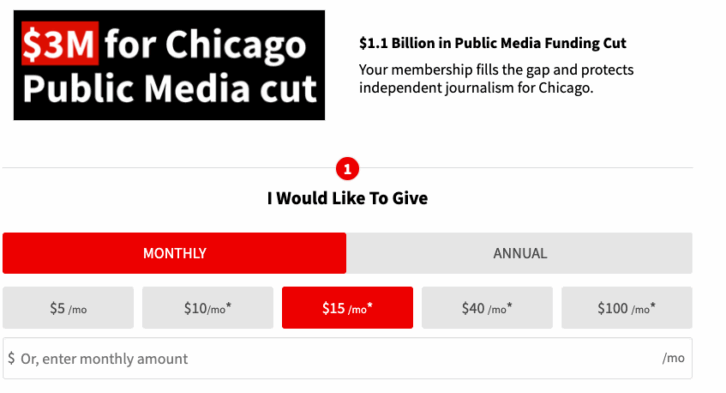
Local stations also turned in remarkable performances. 88.5 WMNF(FM) in Tampa raised $280,000 in one day, which it said was a record. Vermont Public Radio topped approximately $1 million statewide. Louisville Public Media collected $525,000 in just four days.
[Related: “What’s Next for Public Radio?”]
Still, NPR and its member stations are only in the first inning of a long game. To replace federal funding year after year, the system will need sharper strategic plans, more volunteers, stronger creative and deeper research insight.
Strategic planning
This means realistic goal-setting and clear benchmarks. An outside facilitator can help keep discussions focused and objective. Board involvement is not optional — it’s essential.
Staff and volunteers
Don’t overload your existing team. In public radio’s early days, stations leaned on students and community members for everything from grant writing and events to even running shows. Expand that model.
Recruit volunteers with expertise in social media, digital platforms and AI to support fundraising and outreach.
Underwriting
Review your rates often. If inventory or specific slots are sold out, increase prices. Ask yourself if you’re maximizing digital revenue. Events and performances can generate nontraditional income — for example, partner with concerts or art shows and announce that a portion of each ticket supports your station.
And if your newscasts don’t have sponsors, consider whether it’s time they should. For music stations like KCRW(FM), KUTX(FM) and WNRN(FM), try the occasional “pay for play weekend,” where any request generates a dedication and a substantial donation.
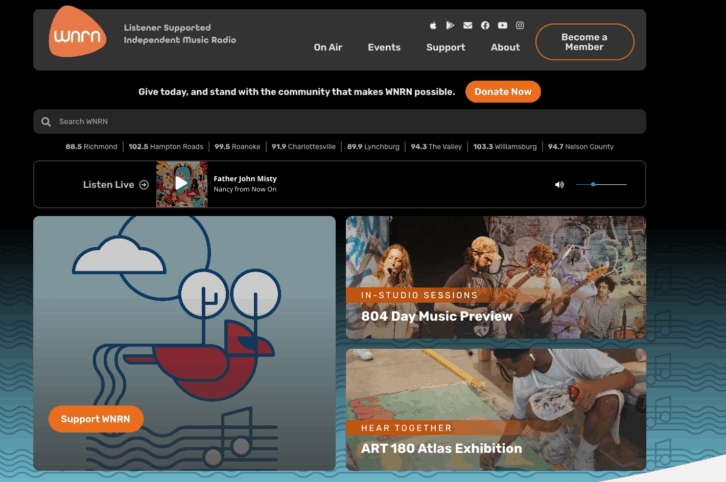
This is far more fun than a traditional beg-a-thon.
Creative and research
The best fundraisers test constantly. How does Katherine Maher’s CEO appeal compare to familiar NPR voices like Ira Glass, Terry Gross, Steve Inskeep or Corva Coleman? Radio professionals love intuition, but data usually proves otherwise. Test talent, short vs. long copy, urgent vs. conversational tone, donor vs. staff voices. Donor testimonials can be powerful.
And remember: Production quality matters! Too often, public radio copy is so understated that it fades into blandness.
Reach and frequency
Even the best message fails if it’s not heard enough or at all. Do you have someone — inside or outside —tracking exposure and repetition?
In the short term, outrage at Congress will fade. That’s why NPR and its stations must harness energy now while also planning for the long run. The holidays are prime giving season and they’re right around the corner.
A coordinated, well-researched end-of-year drive could be the difference between surviving and thriving. Federal funding may be gone, but with the proper approach, public radio can still bank on public trust.
Radio World welcomes letters to the editor on this or any story. Email [email protected].