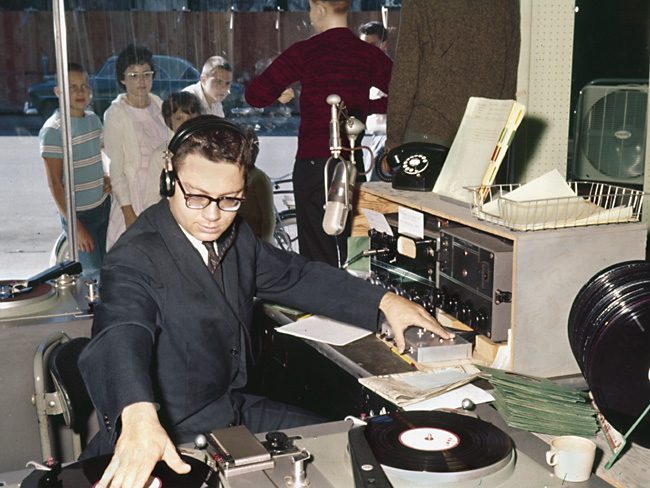
Fort Dodge Radio has published “Fort Dodge Broadcasting: A History,” an online chronicle of radio and television in Fort Dodge, Iowa.
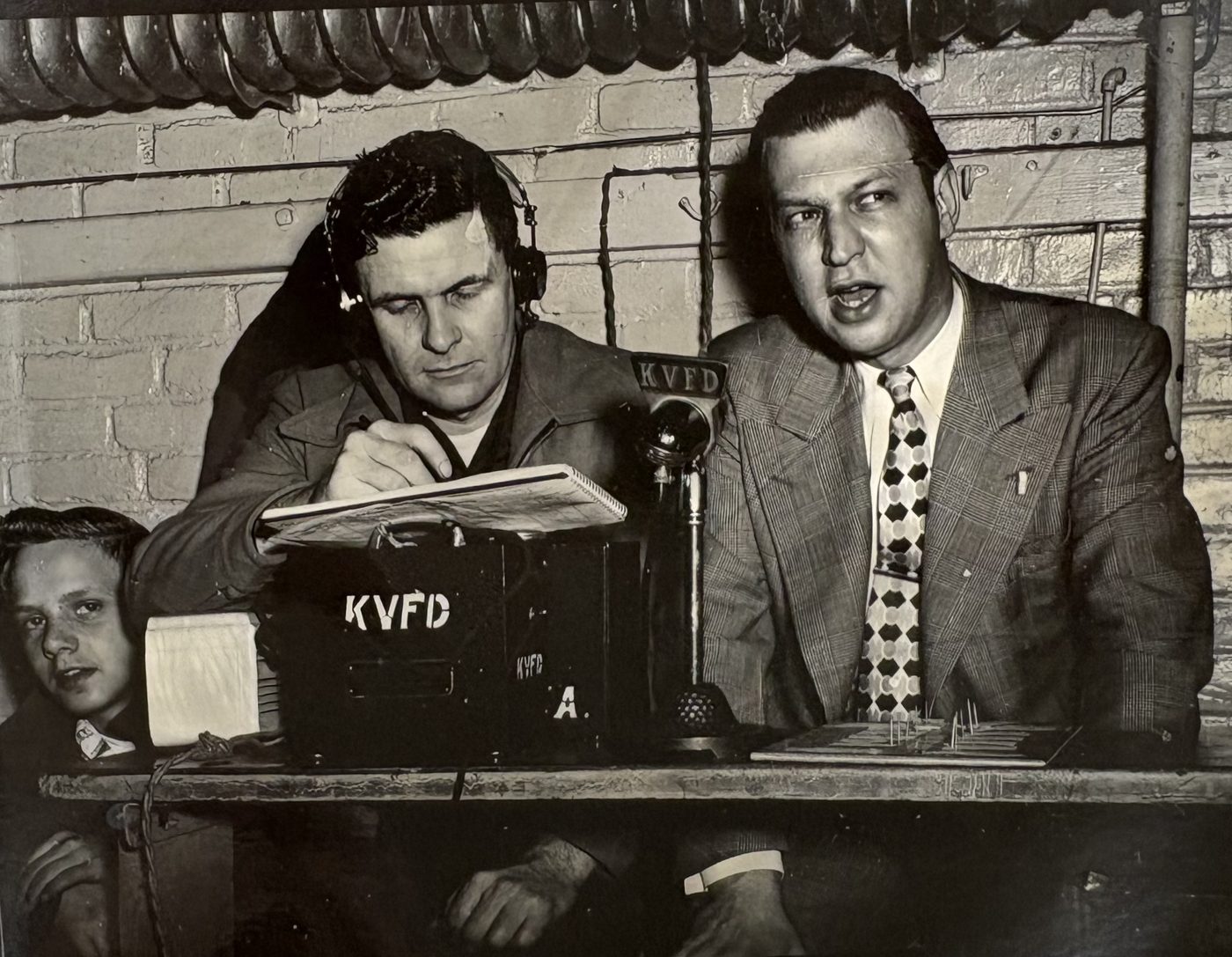
Beginning with Carl Tunwall’s early broadcasting demonstrations in the 1920s and the sign-on of KVFD(AM) from the Warden Building on Christmas Eve 1939, the project traces each station that has served the community since. The 160-page book is available to read online or download as a PDF.
Compiled by Bill Grady — a broadcaster of more than 40 years, former general manager of KVFD and KUEL(FM) and 2001 president of the Iowa Broadcasters Association — the history draws on newspaper archives, FCC records and the Webster County Historical Society’s Roger Natte Archives Room with station photos, airchecks and recollections from former staffers.
“This was a project that I had in the back of my mind for years,” Grady said. “You can find stuff about the stations, but it’s all scattered: a Facebook post here, an old article there. I wanted to see if we could pull all of it together and tell the story of not just one station, or one group, but the entire market.”
Grady said that the market was particularly competitive during the 1990s. “We made each other better because of the competition. That was Fort Dodge’s last great radio era,” he said.
Throughout the book, chapters trace how Fort Dodge’s six commercial stations changed hands over four decades before eventually consolidating under one owner and roof.
Grady described the publication as an ongoing project and is seeking additional photos, recordings, corrections or memories of Fort Dodge radio and television at [email protected].
Contributors to date include former KKEZ, KRIT and KIAQ staff members Michael Libbie, Chris Walterman, Drew Durigan and Lynn Bohlke.
Radio World welcomes letters to the editor on this or any story. Email [email protected].