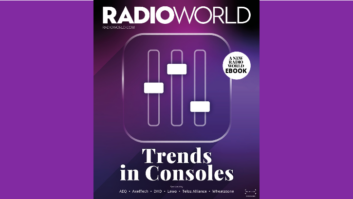
A new Radio World ebook considers trends in consoles and control surfaces.
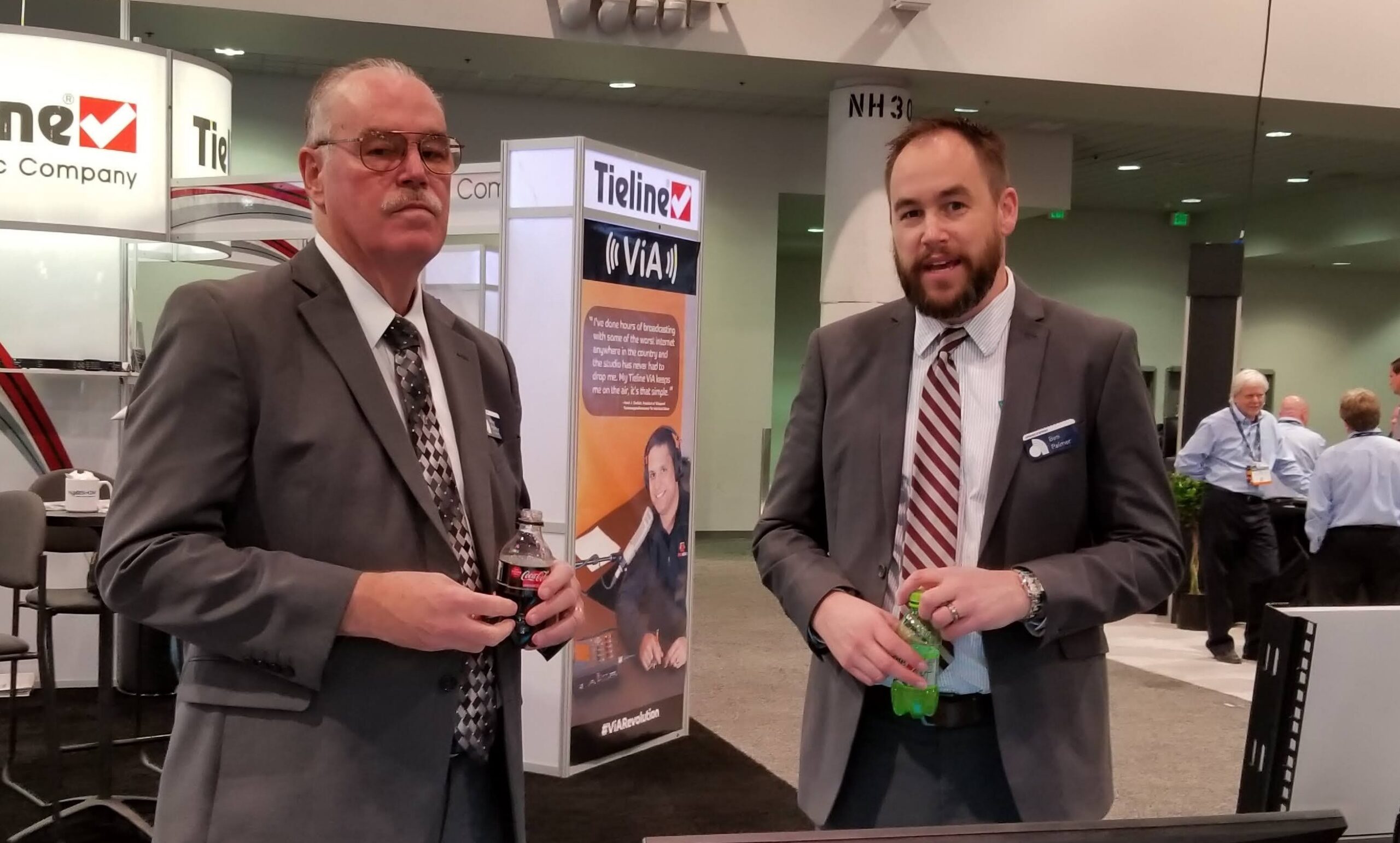
Ben Palmer is president of Arrakis Systems, a U.S. manufacturer of broadcast consoles, audio-over-IP systems and automation software, based in Loveland, Colo.
Radio World: Ben what would you consider the most important trend in the design of consoles and control surfaces?
Ben Palmer: The trend I’m most interested in is bringing modern control capabilities to a console that remains simple to operate.
I’m especially enthusiastic about what that means for analog. A broadcaster can have the familiar faders, straightforward signal path and dependable operation of an analog console, along with software tools that make the studio easier to manage.
That is the idea behind our H10 and H15: analog mixing with software control, plus USB audio and Bluetooth connectivity. I think the strongest designs will give stations useful flexibility while keeping the everyday job of running a live show clear and comfortable.
RW: How vibrant is the marketplace for analog consoles?
Palmer: I see a strong, continuing role for analog consoles. There is real value in walking into a studio, seeing the controls you need and getting to work.
For a station with a stable set of sources, a dedicated analog board can be an excellent long-term choice. Installation and troubleshooting are easier to understand when the signal path is straightforward, and serviceability matters over the life of the console. Modern analog designs can also accommodate computer audio and remote control.
Those are compelling reasons to choose analog on its own merits, and why we continue to invest in the H-Series.
RW: What misconceptions would you like the industry to be aware of?
Palmer: One is that choosing analog means giving up useful software features. With the full H10 and H15, an engineer can use the H-Series Controller to view channel levels, switch channels on or off and recall presets. Remote access works through the Windows PC connected to the console, while the mixing remains analog. That is a practical example of the best of both worlds.
I also think analog deserves to be considered as a long-term design choice. A station that values hands-on operation, a straightforward signal path and practical serviceability has good reasons to choose it with confidence.
RW: What demands do you hear from potential buyers today, that are different from 10 or 15 years ago?
Palmer: I think the biggest change is the expectation that a console should be manageable beyond the room it sits in.
An engineer may need to check a source or change a channel’s state without driving to the studio. A room may serve a live show, recording session and production shift, each with different needs.
Buyers also have to consider the people who will maintain the system and how much time they can spend on it. My priority is giving them useful remote visibility and control without making routine operation harder or requiring more infrastructure than their station needs.
RW: What does the next generation of user interface look like?
Palmer: I expect physical controls and screens to keep working together. Faders are excellent for making quick adjustments while your attention is on a guest or a script. Screens can make source names, meters and setup choices much clearer. The design challenge is deciding what belongs in front of the operator during a show and what belongs in a setup screen. A useful interface makes the current state obvious: which microphones are live, what is in cue and where audio is going. Customization should help an operator recognize the studio quickly, with consistent labels and controls that stay easy to find.
RW: What does the term virtualization mean in 2026, as it relates to radio consoles and control surfaces?
Palmer: I use it to describe moving console functions into software and separating the mixing engine from the surface used to operate it. Our DARC Virtual software handles the mix, with Dante audio networking available for sharing sources around a facility. The DARC S8 Elite combines that approach with eight physical faders, a touch display and a configured mix engine. It is a good fit when flexible source assignment and networked audio are priorities. Virtualization also needs a clear explanation of where the audio actually runs. A software mixer can run locally; remote control alone does not make it cloud-based mixing.
RW: Any suggested best practices or common errors to avoid for someone who is setting out to make a buying decision?
Palmer: Start by walking through an actual show. Count microphones and other sources, then map the outputs, caller mix-minus feeds, cue and talkback requirements.
Have the people who will use the console try those tasks.
Check exactly what remote operation includes, which accessories are needed and what the system does if a PC or network connection becomes unavailable. Price the complete installation, including interfaces, cabling, training and ongoing costs. Give serviceability and support the same attention as the feature list.
A well-matched analog console can be an outstanding investment; an AoIP system can earn its place when the workflow benefits from shared, assignable audio.
[Do you receive the Radio World SmartBrief newsletter each weekday morning? We invite you to sign up here.]