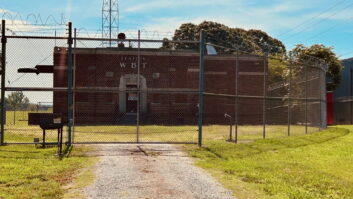
“This was all about breathing new life into our studios.”
A two-year project improved workflows for KUT 90.5 FM and KUTX 98.9 FM in Austin, Texas. KUT Public Media operates both stations.
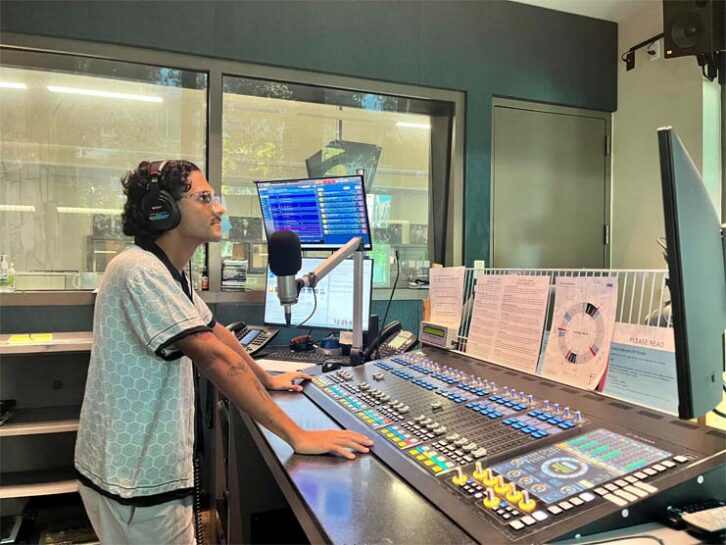
Technology Coordinator Rojith Thomas said, “We began by upgrading two key production spaces. The first was the studio for ‘Texas Standard,’ a daily statewide live news program. The second was ‘Newsmaker,’ which has long been home to podcasts and interviews and now also produces the local live news show ‘Austin Signal.’”
After completing those upgrades, they turned their attention to the heart of the operation and gave the main on-air studios for KUT and KUTX a full refresh in mid-2025.
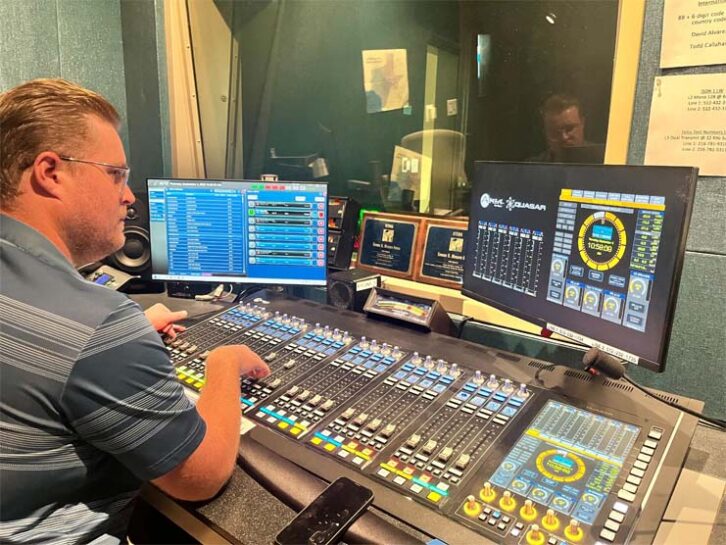
“Our goal was clear and ambitious: We wanted to modernize everything with advanced AoIP consoles and infrastructure. This allowed us to streamline workflows, improve reliability and create a flexible setup that is ready for the future.”
The technical team was Todd Callahan, Jacob Rockey and Rojith Thomas. Each played an active role in every stage, from testing demo equipment to purchasing and installing the new systems.
Thomas coordinated the technical aspects, including planning, integration and overseeing the upgrade process.
“In today’s broadcast industry, reliability and flexibility are essential,” he said.
“Broadcasters need systems that allow them to operate from anywhere in the world, and who knows, maybe even from space someday. With that vision in mind, our goal was to create a setup that works seamlessly in a hybrid environment.”
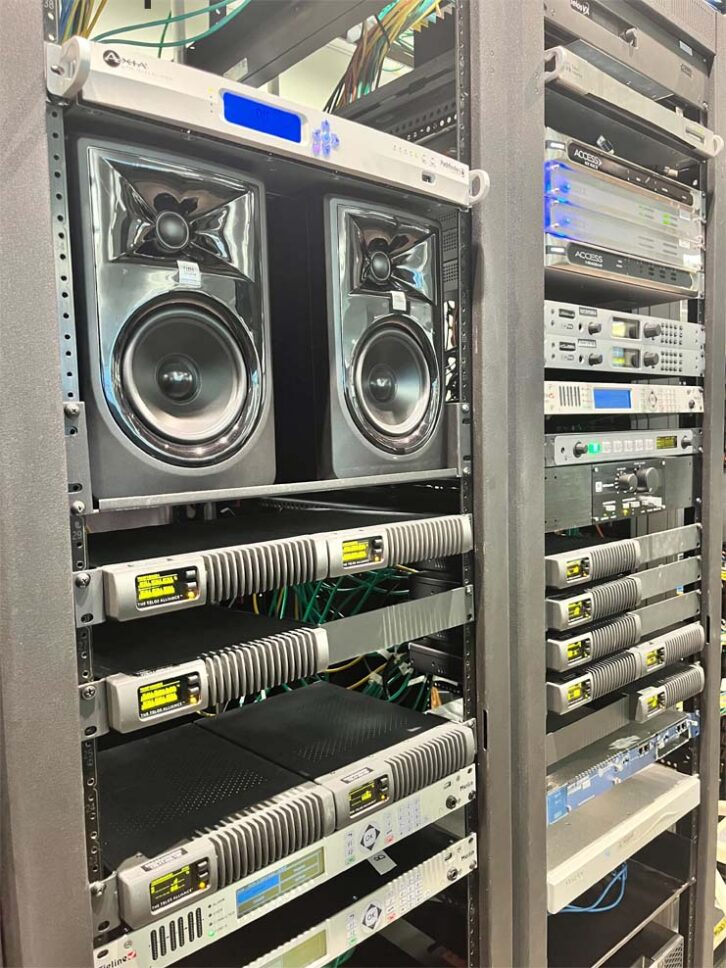
Telos Alliance was the manufacturer and primary vendor, supplying Axia Quasar consoles and related AoIP equipment to replace older Axia Fusion consoles and PowerStations.
Dealers Gary Tibbot of Broadcast General Store and Mary Schnelle from Broadcast Depot helped source the hardware.
KUT wanted to preserve the traditional experience of having a console at the center of the studio while also enabling full remote control for situations such as live remote broadcasts.
“The Axia Quasar console and engine make this possible, giving us the best of both worlds: the familiar hands-on feel of a studio console combined with the ability to manage it from anywhere.”
The station has a long relationship with Telos Alliance. It uses Telos Enterprise and Pathfinder routing control, 25-Seven Program Delay Managers, Z/IPStream R/20 streaming encoders and Z/IP One codecs for remote contributions, Omnia processors and Minnetonka AudioTools software.
“One interesting detail that fellow engineers might appreciate is how we use the user button panels on our consoles,” Thomas said.
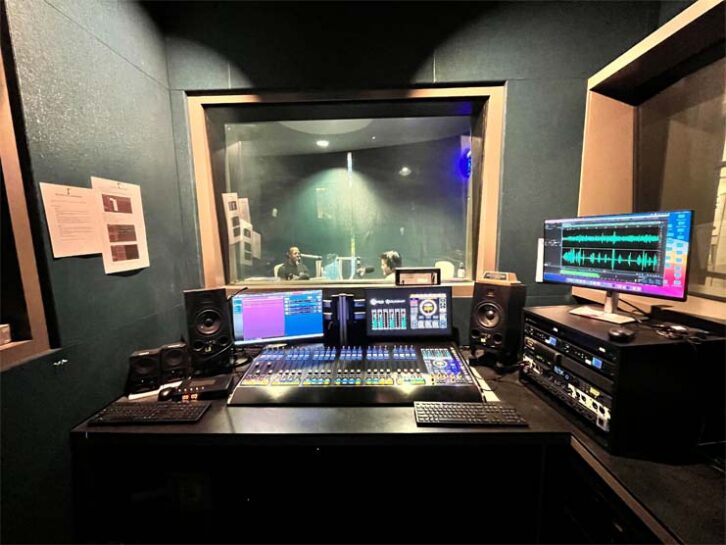
“On the Quasar SR consoles, we have eight user buttons configured for a variety of functions. These include reloading different profiles, initiating talkback to specific codecs, and controlling Program Delay Manager features such as Dump, Exit, Build and Cough.”
Similarly, in the production studios, they use a five-button panel for show producers. This allows them to communicate easily with the host and between studios, making live production more efficient and seamless.
Thomas said the project was more than a technical upgrade. “It was a transformation. Our studios now feel more responsive and intuitive, and more connected to the creative energy of our team.”
Read more coverage of notable studio projects in the free ebook “Sweet New Studios for 2026.”