This is one in a series about trends in remote control and RF facility management.
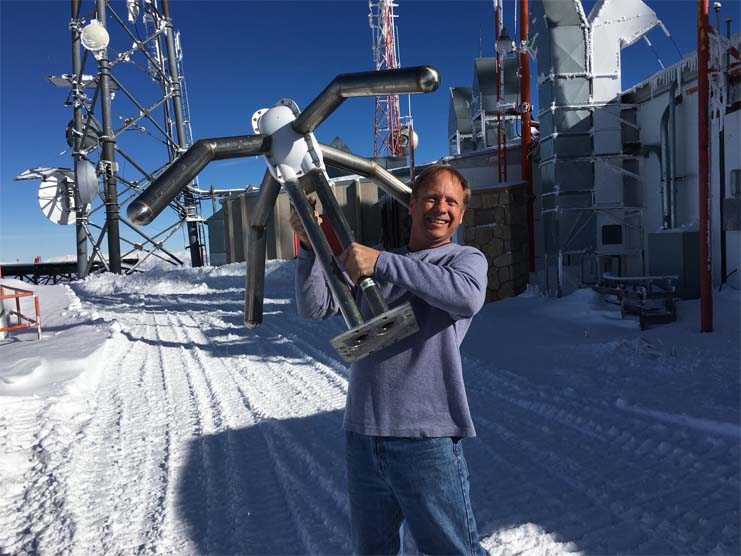
Barry McLellan is a site engineer for Bonneville International. He lives on Farnsworth Peak in Utah, where the company operates three FM stations and recently modernized the site’s master antenna infrastructure.
Radio World: What do you consider the most important recent trend in how broadcasters control and monitor transmission facilities?
Barry McLellan: When something goes wrong at the transmitter site, remote controls are the one device in a broadcast plant that can make or break your BBQ, vacation or just potentially let you get back to sleep for the slim remainder of the night.
[Related: “Salt Lake FMs Soar With New Dielectric Master System”]
The old days were not so good. I’m sure we’ve experienced an overnight part-timer calling late at night from the studios, and you would need to explain how to get readings out of the Moseley MRC-1600 and maybe talk them through a complex process for turning on the aux transmitter in the hope you wouldn’t have to drive to a snowy mountain-top transmitter site at 2 a.m.
A modern remote control at a transmitter site is crucial for monitoring, compliance and control. These systems have improved so much over early remotes that tied monitoring and alarming to a fixed control point.
Along came improved remotes that used a POTs line or cellular connection to get the remote’s data to/from a remote transmitter site. Could anyone else, while almost completely asleep, answer the phone while practically asleep, enter the password, go through the alarm list, run the appropriate macro to get your station back on the air and fall right back to sleep? I was a DTMF master!
These were a big improvement but had limits. The cellular link could be sketchy, it might not pass DTMF tones well, and we’ve all experienced the disappearance of POTs lines.
The biggest improvement I’ve experienced with modern remote controls is the installation of solid IP connectivity at our sites. If a local IP provider is not available, sometimes this means a 5.8 GHz ISM link, a 900 MHz modem diplexed on your STL link, or possibly working with a WISP provider.
The newer IP-based remote controls have so much information available on-screen at once, configured just the way you want these readings to appear. The connection can be left open all day on your work desktop or phone showing all your sites at once for easy, quick access. Plus there is a whole host of new, inexpensive devices to monitor many other situations at your site to make sure there aren’t problems you wouldn’t normally see.
RW: What kind of customization is available?
McLellan: At our site, we’ve expanded the capability of our remote control by adding third-party sensors that work independently but provide a summary output closure to our remote control.
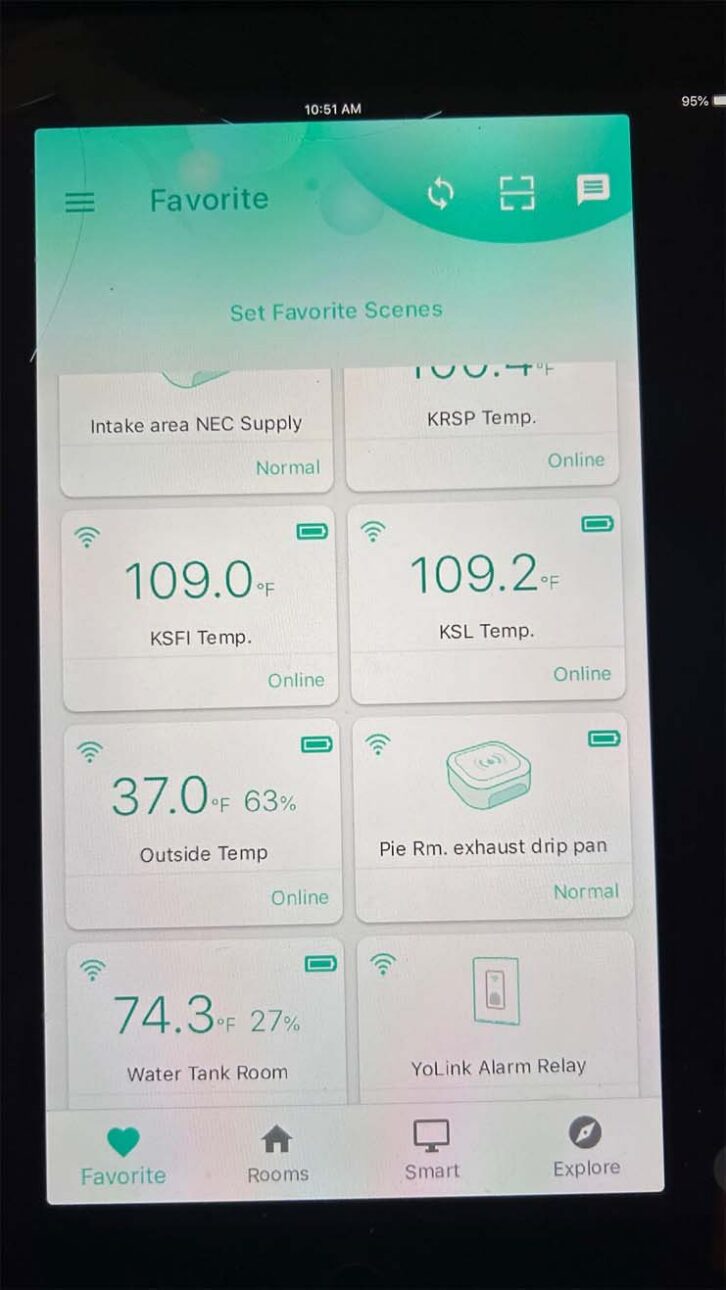
These sensors are from a company called YoLink. I like this brand because of the wide variety, low cost and lack of subscription costs.
They have devices for many scenarios: water leak detectors, configurable temperature sensors, door, window, smoke, vibration, power loss, motion detection, remote access, siren, paging, personal alarm fobs, smart relays and outlets.
When an alarm comes from these sensors, we get a push notification on our phones, and sensors we set up as a critical alarms trigger a summary closure to our remote control. These sensors connect wirelessly in the 900 MHz band to an IP-connected hub.
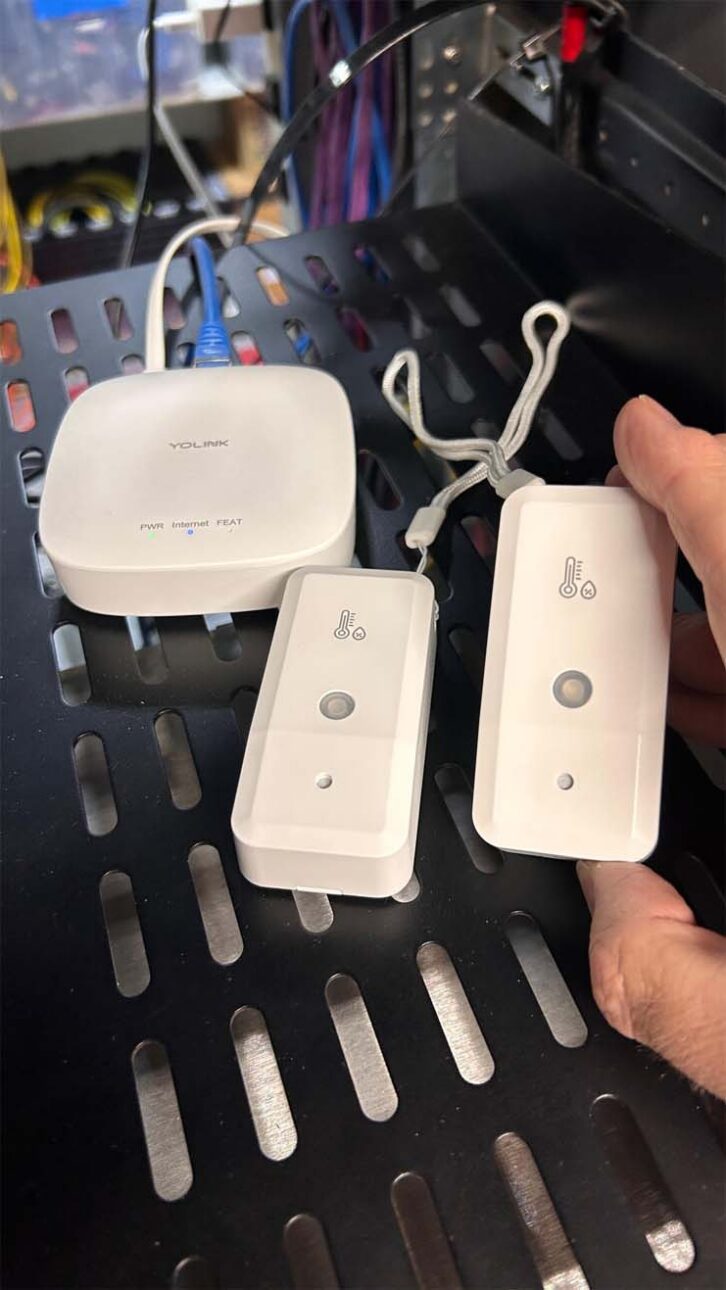
This architecture gives you long range in hostile RF environments or even through the steel walls of the building. They are inexpensive. Three temperature sensors or leak detectors with a hub are $55, cheap for the assurance they provide.
We’ve used this gear to protect our site in ways that expand on the remote’s capabilities — leak detectors in ventilation ducts where rain or snow from serious storms could get in and drip on equipment. Also, ambient room temperature and transmitter exhaust temp with alarm trigger points that tie into the remote control. Door, motion, and smoke sensors could also eliminate an alarm systems monitoring costs.
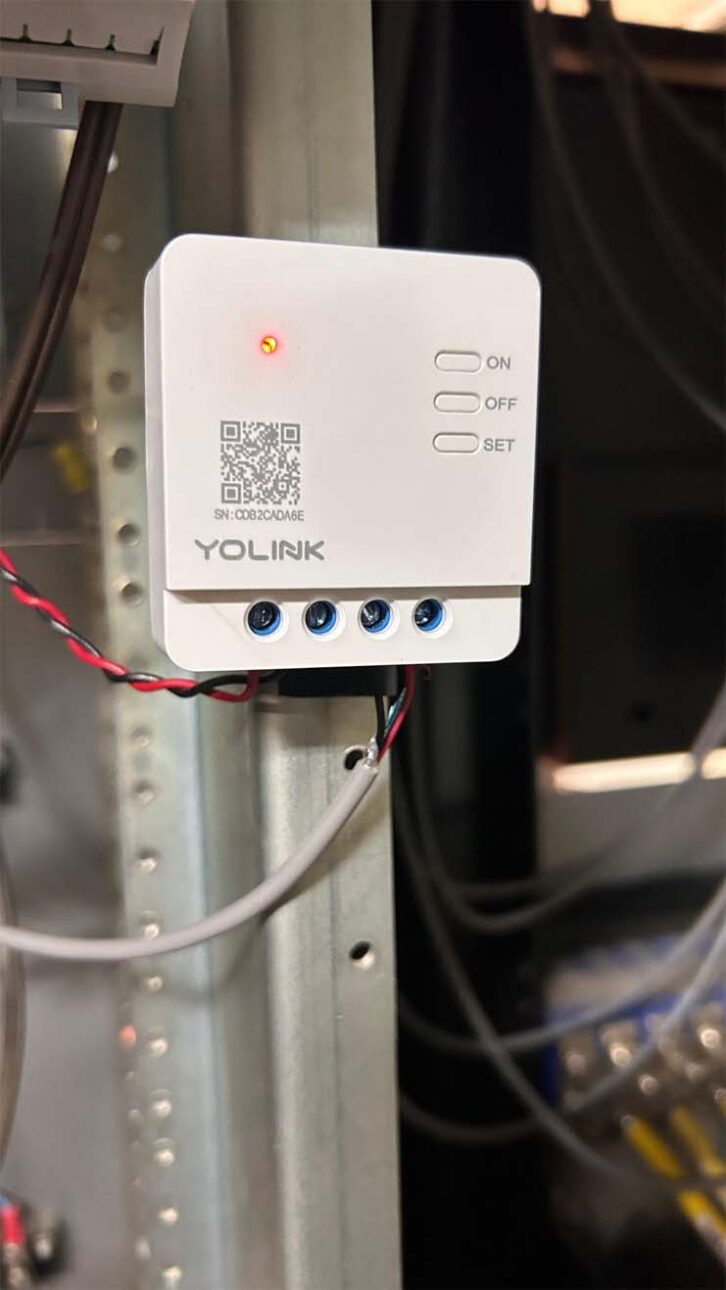
Sensors can be set up this way according to the needs of your site without consuming status/metering channels. So many options exist with this gear.
RW: What kind of connectivity is best suited to supporting today’s needs?
McLellan: Local telcos have priced POTs line out of existence, or the facilities aren’t maintained any longer. Cellular connectivity doesn’t give the reliability or all the functionality I would like.
Ideally, IP connectivity is needed. The addition of an IP drop to your site allows for always-on connectivity and multiple simultaneous connections available. This allows for a graphical interface to your remote control, helping you understand more quickly and completely what’s going on at your site.
If available, fiber to the building would always be preferable to decrease the chance that a voltage surge could harm your gear. An IP connection may also provides a alternate audio delivery path that many stations operating with a microwave STL might not have.
RW: To what extent are broadcasters relying on third-party service providers for remote management of their facilities?
McLellan: I would prefer to see very little third-party remote management since this is a cost that could save all stations money in lean times.
For stations who have a local engineer, that person is the one to handle alarms. No need for the expense in this situation.
With smaller, local operators, since a remote control is needed for compliance anyway, a modern, GUI-based remote could be set up by their contract engineer, to alert several station personnel, maybe the GM and PD to be the first point of contact for potential problems. This should be within the ability of the GM to evaluate and resolve or call in local support.
Large, nationwide broadcasters seem to make sweeping changes like firing local engineers, contracting back services, developing centralized monitoring systems, and initiating third-party services. Maybe it makes sense to the corporate accountants, but I have a hard time believing the cost savings are anywhere near what they expected, and delays in restoration are likely longer than with local support.
For more viewpoints on this topic see the free Radio World ebook “Trends in Remote Control and Facility Management.”