This commentary is from the ebook “Where Tech Meets Revenue.”
Radio has always been a powerful advertising medium — but for too long, it has operated on instinct rather than intelligence.

That is changing. Today, HD Radio technology and DTS AutoStage are no longer just listener-facing features.
Broadcasters embracing these technologies are moving beyond traditional spot-selling and deploying them as precision tools to attract new advertisers, justify higher rates and unlock revenue streams centered on visual advertising, multi-channel programming and real-time audience analytics that simply did not exist a decade ago.
1. Visual Storytelling: Leveraging “Artist Experience” as an Ad Product
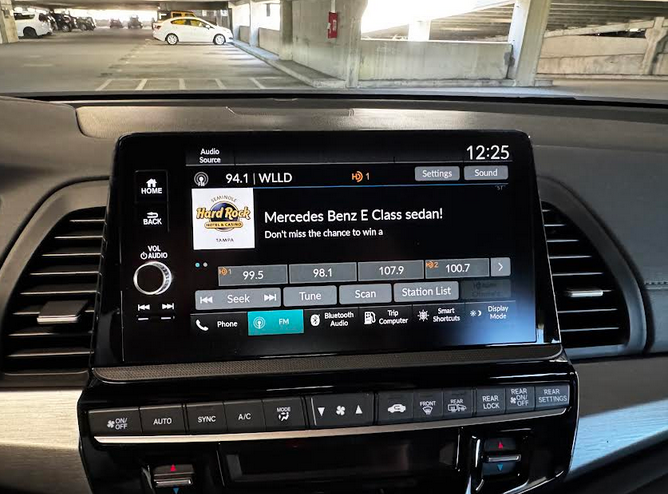
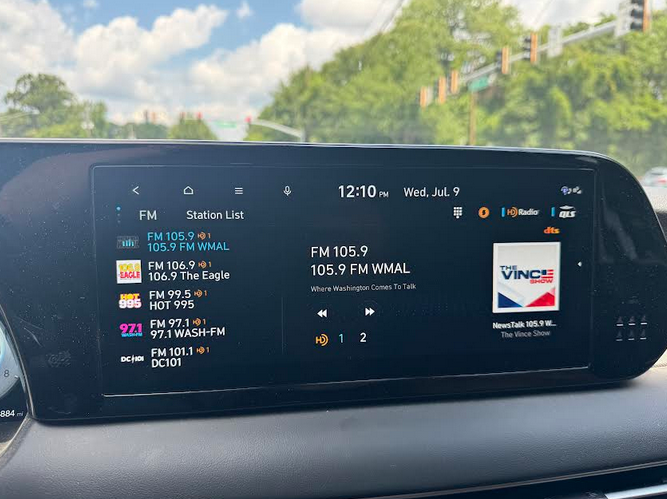
HD Radio’s Artist Experience feature has become one of the most direct ways stations are generating incremental ad revenue.
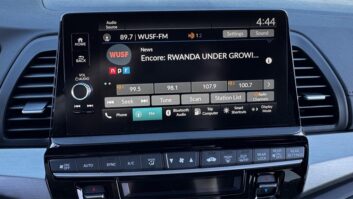
By syncing a client’s logo or promotional graphic to their audio spot, stations ensure a listener isn’t just hearing a brand — they’re seeing it on the vehicle’s dashboard display. This visual layer significantly boosts brand recall and sales teams are packaging it as a premium “enhanced spot” tier — a straightforward upsell with a compelling pitch: your ad, with a visual presence.
2. More Channels, More Inventory: The HD Multicast Revenue Play
HD Radio’s ability to “split” a single frequency into multiple digital channels (HD2, HD3 and HD4) has opened up entirely new ad inventory without requiring additional spectrum.
Broadcasters are monetizing this real estate in three proven ways:
- Niche Formatting: Hypertargeted formats — such as 24/7 high school sports, custom retail channels or foreign-language programming — attract new audiences that are highly valuable to local and regional advertisers who want to connect with targeted audiences.
- Translator “Feeding”: Using an HD2 or HD3 signal to feed an analog FM translator creates a “new” FM signal on the dial, essentially launching a brand-new station that generates its own ad inventory.
- Multicast Leasing: Broadcasters have found success in leasing their extra HD channels to third-party content providers or community organizations, generating recurring monthly revenue.
3. The Data Revolution: Proving ROI in Real-Time
Perhaps the most transformative ad-revenue tool comes from the DTS AutoStage Broadcaster Portal.
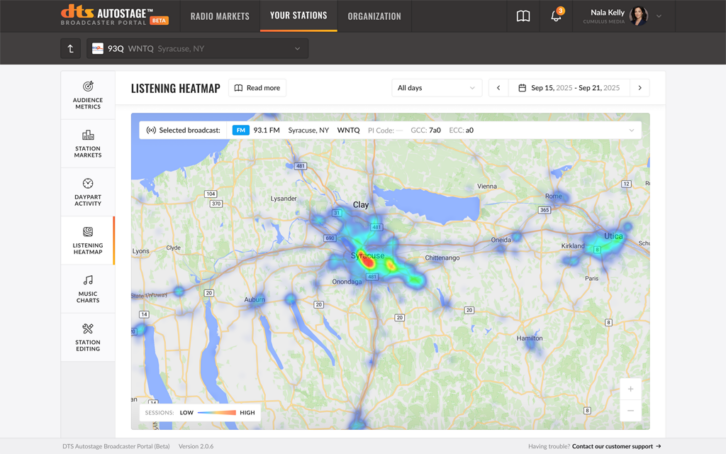
For the first time, broadcasters have access to “big data” that mirrors granular, streaming-quality audience data sourced directly from connected vehicles: geographic heat maps of over-the-air consumption, session lengths by day, week and month, and listening patterns that extend well beyond a station’s metro area.
Three specific applications are already changing how stations pitch advertisers:
- Proximity Marketing: Showing a local retailer a “heat map” of verified over-the-air listening near their locations makes the value of a 30-second spot much more tangible — a significant advantage when competing against digital platforms for local ad budgets.
- Immediacy: For the first time ever, broadcasters have access to daily listening data coming directly from the vehicle, which gives sales teams the ability to demonstrate campaign reach in near real time.
- Adjacent Market Monetization: Stations are able to fully capture the in-vehicle broadcast signal reach that is not limited to a defined market. This data opens conversations with regional advertisers who previously ignored stations, assuming they don’t have significant listening in other markets.
4. Enhancing Discoverability and Retention
Ad revenue depends on audience, and audience depends on experience. In a modern vehicle, a radio station that displays only a frequency number like “101.1” looks broken — and when competing services render album art, song titles and artist bios, listeners will switch.
HD Radio and DTS AutoStage ensure that broadcast radio looks as premium as any other in-car entertainment service. Features like Artist Experience and robust metadata for analog stations keep listeners engaged longer.
By creating a more immersive, modern experience, broadcasters protect their “Share of Ear” against digital giants, ensuring their primary revenue source remains robust.
Conclusion
The narrative that radio is “analog” is being dismantled by the very broadcasters who are leading the charge into the digital dashboard.
By leveraging the robust capabilities of HD Radio and the data-rich environment of DTS AutoStage, the industry is proving that it can be just as analytical, visual and targeted as any digital competitor. For stations willing to make that shift, the digital dash isn’t just a display — it’s a platform for growth and revenue.
Read about other ways technology is supporting revenue in your latest free Radio World ebook.