In this “Future in Focus” series, we’re asking industry thought leaders, executives and engineers to comment on top trends of the past year and what they expect for radio in 2026.
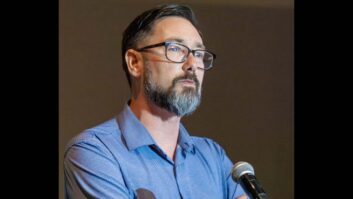
Scott Hanley is president of the Association of Public Radio Engineers (APRE) and general manager for WZUM(AM/FM) in Pittsburgh.
Radio World: What do you think is the most important thing that happened in the world of radio in 2025?
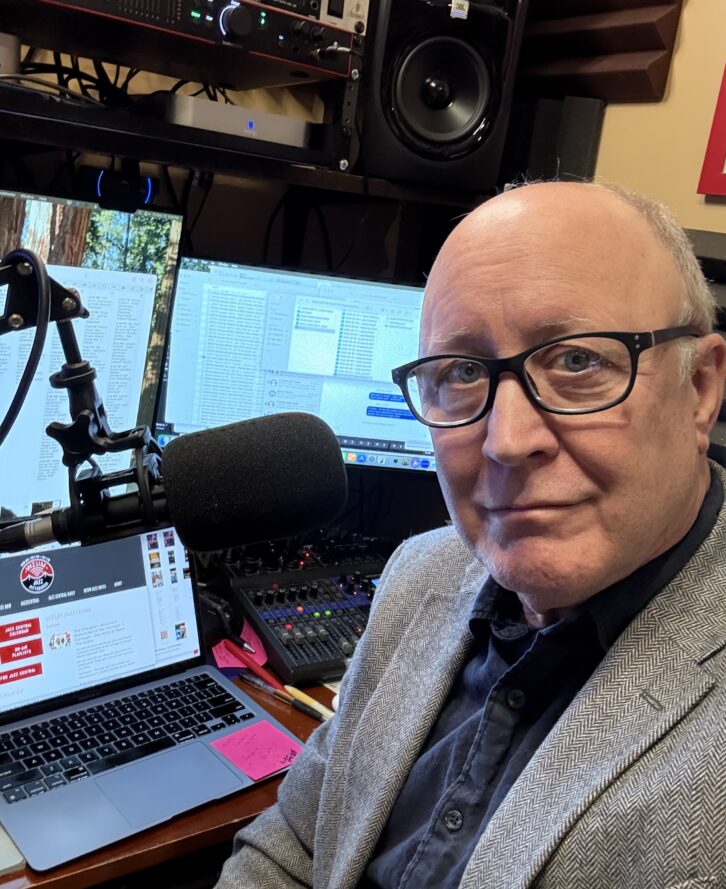
Scott Hanley: On the public radio side of the world, the elimination of the Corporation for Public Broadcasting will resonate deeply for years. The ensuing untangling of 50 years of leadership and standards-setting with CPB, NPR and other national leadership initiatives gave coherence to the technical, regulatory and programming mission of a legion of stations nationwide.
The funding was important, but the collaboration that was encouraged by having a “system” of public broadcasting stations gave clarity to the purposes of public service.
We had a definition for “public broadcasting,” and a roadmap to reach the entire nation in a relatively collaborative way with inexpensive tech of the user.
Now, we will have a noncommercial market that may not be inclined (or funded) to sustain near-universal access. That will have dramatic impacts on our implementation of technology and our ability to serve listeners and viewers.
RW: What technology/business/regulatory trend do you think is going to have the greatest impact on radio in 2026?
Hanley: Increased reliance on terrestrial IP-based STL’s and program distribution has opportunity and challenge. The reliability of our legacy microwave and satellite systems may be hard to match, but they are likely to disappear. Robust service may be hard to create, let alone pay for.
RW: What will be your main professional goal or project in the coming 12 months?
Hanley: Implementing better redundancy for online and broadcast systems, but also bringing new talent on board as a part of that robustness.
RW: How do you think our industry will be different in 10 years?
Hanley: “Broadcasting” can still be vital 10 years hence, if it chooses to be. Technology experts will need to be closely tied to programming and marketing experts. The signal-based definition of market will mean very little if licensees don’t provide unique and valuable services within the communities they have been licensed to serve.
Consolidation will reduce much of the local differentiation, unless there is a way to “matter” to individual listeners and communities. Small, local voices may be greatly diminished in the future, but there’s great opportunities with small and local.
RW: Anything else we should know?
Hanley: The “Broadcast Century” from 1920 to 2020 created something new and accessible and sustainable and, with that, new expectations for journalism and entertainment with low-cost access for consumers. In my 40-plus years in the business, there’s been much change — and new opportunities in its wake. Now, we need to find a way for the next generation to create those opportunities.
Radio World welcomes comments on this or any story. Email [email protected] with “Letter to the Editor” in the subject field.
Read more stories like this in our News Makers section.