With the 2026 NAB Show coming up, Radio World is asking exhibitors about their plans and expectations.
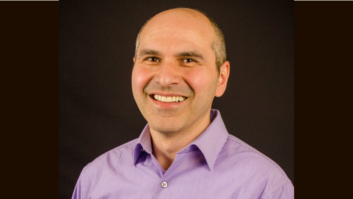
Marty Sacks is EVP of sales, marketing and strategy for Telos Alliance.
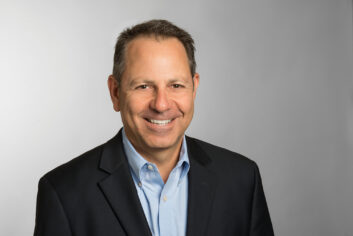
Radio World: What products or themes will you highlight in your booth?
Marty Sacks: The big theme for us this year is the continued shift toward software-based, IP-connected broadcast infrastructure. At the Telos Alliance booth you’ll see examples of that across a lot of different areas, from AoIP infrastructure and audio processing to remote production and cloud-connected workflows.
The common thread is flexibility. Engineers want standards-based systems that can scale, evolve, and integrate without forcing them to rebuild everything every few years.
We’re also paying close attention to the listener experience. Broadcasters today are delivering the same content over the air, through streams, podcasts, apps and smart speakers. Making sure that audio sounds consistently good across all of those outlets is still a challenge, and it’s an area where we’ve spent a lot of time developing tools that help engineers stay in control.
RW: AI technology has swept through every industry. What impact does it have in the Telos family of products?
Sacks: AI is definitely the buzzword of the moment, but for broadcasters, the defining question is, “Where does it actually help engineers do their jobs?” Our view is that AI is most valuable when it quietly improves workflows rather than calling attention to itself.
One practical use is in audio analysis; machine-learning techniques can recognize things like dialog, music and background elements in a mix. That makes it possible to apply processing more intelligently, improving dialog clarity and maintaining consistent loudness without constantly tweaking settings.
In other words, the goal isn’t flashy AI for its own sake. The goal is smarter systems that make life a little easier in the rack room and the control room.
RW: What other business trends will you be watching for at the convention?
Sacks: One of the biggest trends we’re seeing is the continued merging of broadcast and streaming workflows, both in radio and TV spaces. Most operations aren’t just transmitters anymore; they’re content producers serving listeners and viewers through multiple distribution platforms simultaneously.
That creates some interesting technical challenges. Loudness management, ad insertion, metadata and content versioning all get more complicated when the same program is feeding OTA, streaming platforms, podcasts, and social clips.
We’re also seeing strong interest in remote and distributed production. The ability to produce high-quality programming without requiring everyone to be in the same building has become an important capability for many broadcasters.
And of course there’s the reality that engineering teams are being asked to do more with fewer people. Systems that simplify configuration, monitoring, and day-to-day management are getting a lot of attention for that reason alone.
RW: What else should we know?
Sacks: One of the things we value most about NAB is the opportunity to talk directly with the people responsible for planning and maintaining broadcast infrastructure. Increasingly, that includes not just traditional broadcast engineers, but newer technology leaders such as CIOs, CTOs and digital platform managers who are shaping how media organizations evolve.
Those conversations are incredibly valuable for us. The people guiding technology strategy today are thinking about much more than transmitters and studios. They’re looking at how broadcast, streaming, cloud infrastructure and data-driven workflows all fit together into a single operational ecosystem.
NAB gives us a chance to compare notes on those challenges and share ideas about how broadcasters are actually building and operating their systems today.
In the end, the technology matters, but what really matters is helping broadcasters build systems that will still make sense five or 10 years from now.
NAB Show Booth: C1819