This is part of a series previewing exhibitors’ plans for the IBC show, which begins Friday.
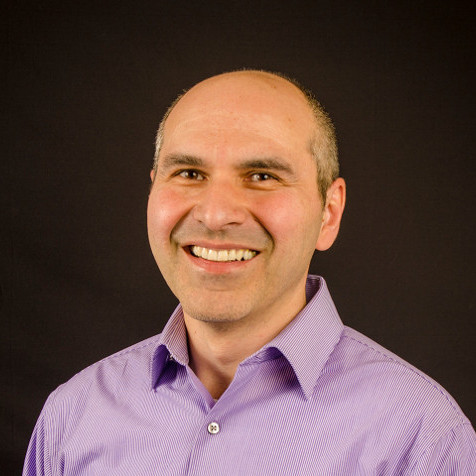
Costa Nikols is strategy advisor, M&E for Telos Alliance.
Radio World: What is the company’s main theme or message at the convention?
Costa Nikols: Broadcasters aren’t all moving in the same direction at the same speed, and we think that’s just fine. So our focus at IBC2026 is to demonstrate ways to modernize without tossing out everything that already works.
That means traditional hardware working right alongside software, virtualized and cloud-based tools. The common thread is flexibility: giving broadcasters room to build the system that makes sense for them today, while leaving the door open to accommodate whatever they need next.
RW: Why is MXL important right now and what should we know about your involvement with it?
Nikols: MXL is crucial now because production has shifted decisively into software, and software workflows need a faster, more efficient way to exchange audio, video and metadata.
Today’s constant wrapping, transporting and unwrapping of media adds complexity and introduces avoidable latency. MXL streamlines this by enabling direct, memory-level media sharing between applications, reducing processing overhead and cutting delay at every hop. Telos Alliance supports MXL because it continues our longstanding commitment to open, interoperable media workflows. And because MXL is open source, it helps ensure that the future of software-based production remains collaborative rather than proprietary.
RW: How is AI being applied to radio technology applications, broadly and at Telos?
Nikols: For radio, some of the best uses of AI happen around the live broadcast. One show might also need to become a podcast, social clips, a transcript or YouTube Shorts. AI can take a lot of the repetitive work out of making that happen.
At Telos, we’re already applying AI to tasks like language detection, dialogue analysis and source separation for TV and streaming media. Fewer production chores equal more creativity, and that’s something we can all get behind.
RW: What should readers know about how California’s regulations around commercial loudness might affect radio organizations that have both OTA and streaming channels?
Nikols: Well, right now, California’s SB-576 only applies to video streaming services, but it’s based on ATSC A/85, the underlying regulation for the CALM Act, so OTA broadcasters should have a good head start on understanding compliance.
Still, it’s a reminder that loudness regulation is beginning to follow content beyond traditional broadcast. Your transmitter and your digital channels may not be playing by the same set of rules anymore, and loudness needs to be managed for each destination, rather than assuming that what works for OTA automatically works everywhere else.
And we already know that loud ads are a tuneout for consumers on any platform, so fixing the issue makes real business sense in terms of listener and viewer retention.
RW: Beyond these themes, what is the business mood among your clients, and what is the biggest issue or trend that concerns them?
Nikols: Broadcasters are eager to modernize, but they’re scrutinizing every upgrade. They want technology that genuinely improves staff efficiency, integrates cleanly with existing systems, and can scale without forcing another overhaul in a few years.
At the same time, the pace of change, the cost of IP transitions, and the challenge of retraining teams mean many are holding onto legacy solutions well past their intended lifespan.
We understand that pressure. It’s why flexibility, interoperability and simplicity matter so much — and why Telos is committed to offering support plans where appropriate, so clients can move forward at a pace that fits their reality.
IBC Booth: 8.D37