Just how does K-LOVE manage to bring its audio to your market?
The Christian contemporary network, operated by nonprofit K-LOVE Inc., is heard on more than 400 full-power stations across the 50 U.S. states, along with more than 200 FM translators. Air 1, its sibling Christian worship network, is heard on more than 200 stations and 150 translators.
Expanding that footprint even further are HD Radio subchannels powering offerings like K-LOVE 90s, K-LOVE 2000s, K-LOVE Eras and K-LOVE Pop.
This all makes for the most expansive Christian network in U.S. radio.
Having trouble viewing the map? Open the interactive map in full screen.
For the longest time, K-LOVE accomplished delivery of its audio through satellite-based methods. Using C-Band and Ku-Band satellite capacity was reliable and familiar. But it also presented limitations.
K-LOVE wanted a way to give its music programmers more hands-on access to each of its stations. And when the federal government began cutting down on available satellite spectrum, there was a heightened sense of urgency.
So the organization set out to transform its audio delivery infrastructure. It executed an ambitious initiative called “Project Nehemiah” in less than a year.
Team members say the project has been inspiring and believe it offers a model for others in the industry.
Failure is not an option
In scripture, Nehemiah led a high-speed, 52-day rebuild of a wall around Jerusalem through grit, teamwork and focus, refusing to let naysayers interrupt the work.
K-LOVE’s physical C-Band satellites were to be deorbited, or moved physically out of position, on May 1, 2025, while Ku-Band service guarantees were set to end by Dec. 31 of that year. Facing the loss of satellite capacity, engineering leadership evaluated their options.
Re-pointing dishes and switching C-Band satellites would have cost an estimated $3 million, with a similar expense to shift Ku-Band satellites.
That’s not even factoring in a spectrum repack that it likely would have had to incur due to the reallocation of the upper C-Band approved by the FCC this summer.
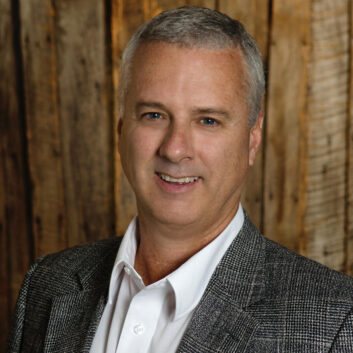
“So we made the decision to rip the Band-Aid off right there,” recalled Vice President of Engineering Kevin Cecil, who joined the ministry in 2023.
Beyond ditching satellites, Project Nehemiah offered an opportunity to make its transmitter sites more manageable for K-LOVE’s team of roughly 45 regional field engineers and its Network Operations Center. Approximately six generations of assorted air chain equipment were in use across those sites.
The task ahead: Overhaul 712 transmission sites, with the lion’s share of the conversions taking place during a five-month stretch between September 2025 and January 2026.
To rally the team behind a staggering workload, Cecil turned during an engineering meeting to a cinematic moment: He conjured NASA’s legendary Gene Kranz.
“In the movie ‘Apollo 13,’ when the scrubbers failed in the command module, they had to make square filters fit into round holes using only what was on the spacecraft,” Cecil said. “He looked at the team and said, ‘Failure is not an option.’”
Managing the engineering team was a primary responsibility, but K-LOVE also takes seriously its position as a network that the industry looks up to. There was also resistance to such an ambitious conversion of audio delivery, what Cecil described as “convergence.”
“We definitely heard some pushback,” K-LOVE Enterprise Architect Bill Jackson said, “but just because delivery has always been done in a certain fashion is not a good enough reason to give up.”
Changes at the station level
Jackson has had experience in radio from programming, on-air and promotion in Baton Rouge and San Antonio to the managing of gameday Louisiana State University sports. He joined K-LOVE 12 years ago.
He said the inspiration to overhaul the entire distribution network actually can be traced to 2018. At that time, he was serving as the foundation’s acting studio engineer out of Indianapolis.
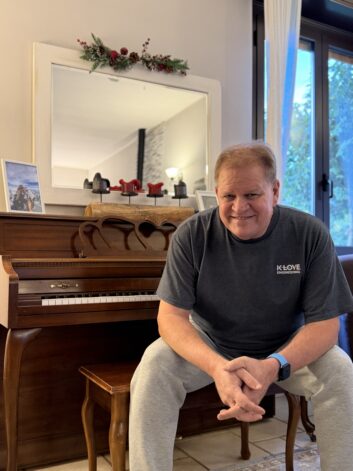
“I was talking with a vendor, looking for a box out there that would replace a Pico satellite receiver with something over the internet,” Jackson recalled.
K-LOVE did not have a mechanism to play market-specific tracks — or to play local content down to different songs in a major market like New York on WPLJ(FM) — and then rejoin its primary network feed.
For program distribution, K-LOVE relied on satellite distribution across almost all of its sites.
Eight years ago the scope seemed reasonable: Target K-LOVE’s top 50 markets, representing around 83 transmitter sites, convert them to IP-based distribution and give programming teams the tools to split feeds on demand. Over a multi-year horizon, the project felt manageable.
But after K-LOVE faced the loss of satellite capacity for hundreds of its affiliates, the scope widened.
“Instead of 83 sites, it became 712,” Jackson said.
Must go faster
In December of 2024, Jackson began mapping out how to feed hundreds of sites over the internet.
Ed Rice, chief technology officer at the time, walked into his office at the organization’s new headquarters in Franklin, Tenn., and asked why they couldn’t stream audio to K-LOVE Inc.’s transmitter sites.
[Related: “For EMF, a Facility to Inspire and Encourage”]
Jackson knew why it would be a problem. When it comes to airing alerts sent via the Emergency Alert System — as every K-LOVE and Air 1 station must do, along with all radio stations in the U.S. — the network operates differently than most.
“The majority of stations have their EAS units at the studio and fire them into the air chain there,” Jackson said. “We are the antithesis of that. Our EAS units live at the transmitter sites, and we have to remotely trigger them for weekly tests.”
Legacy satellite receivers come equipped with physical relay terminals on their back panels. The box at a K-LOVE transmitter site would read an auxiliary data channel sent over satellite and physically close a relay wire connected to a Digital Alert Systems DASDEC or a Sage ENDEC to trigger a weekly test.
K-LOVE needed a reliable way to pass General Purpose Input/Output (GPIO) relay commands over standard internet connections if it was to convert all of its sites to IP.
Rice asked Jackson if he could build a custom workaround to trigger relays over HTTP Live Streaming (HLS). Jackson estimated this would take two years. “You’re gonna have to do it faster,” Rice told him.
Jackson went to work studying how to pass control data through standard web audio chunks.
“If I am being completely transparent, there was doubt on my part,” Jackson said.
The solution, conceived by K-LOVE’s team with cooperation from specific vendors, was hiding tiny digital triggers directly inside HLS streams using JSON metadata strings — the same text format used across web APIs to transfer data.
“There’s definitely future-proofing that goes along with all of this,” Cecil said.
HLS delivery is not in use at most of K-LOVE’s transmitter sites yet, but it’s on the ministry’s short-term roadmap. At the time of publishing, K-LOVE has converted around a hundred sites to HLS.
The Franklin assembly line
There was inherent pressure once the conversion process started to get Project Nehemiah to the finish line. But neither Jackson nor Cecil viewed Project Nehemiah as an order from K-LOVE’s upper management.
“We had support at the highest levels of the ministry to do what the entire team did,” Jackson said.
But once the work started it moved at a breakneck pace.
While the goal was to upgrade 712 sites in nine months, “In reality, we did a little over 600 sites in five months,” Jackson said. In the busiest stretch, between late fall and this past January, the team converted 64 sites in a single week.
To keep up, K-LOVE set up a central assembly line in Franklin.
Vendors adapted to the tempo. For instance Orban Labs assigned two software engineers to support Nehemiah full-time.
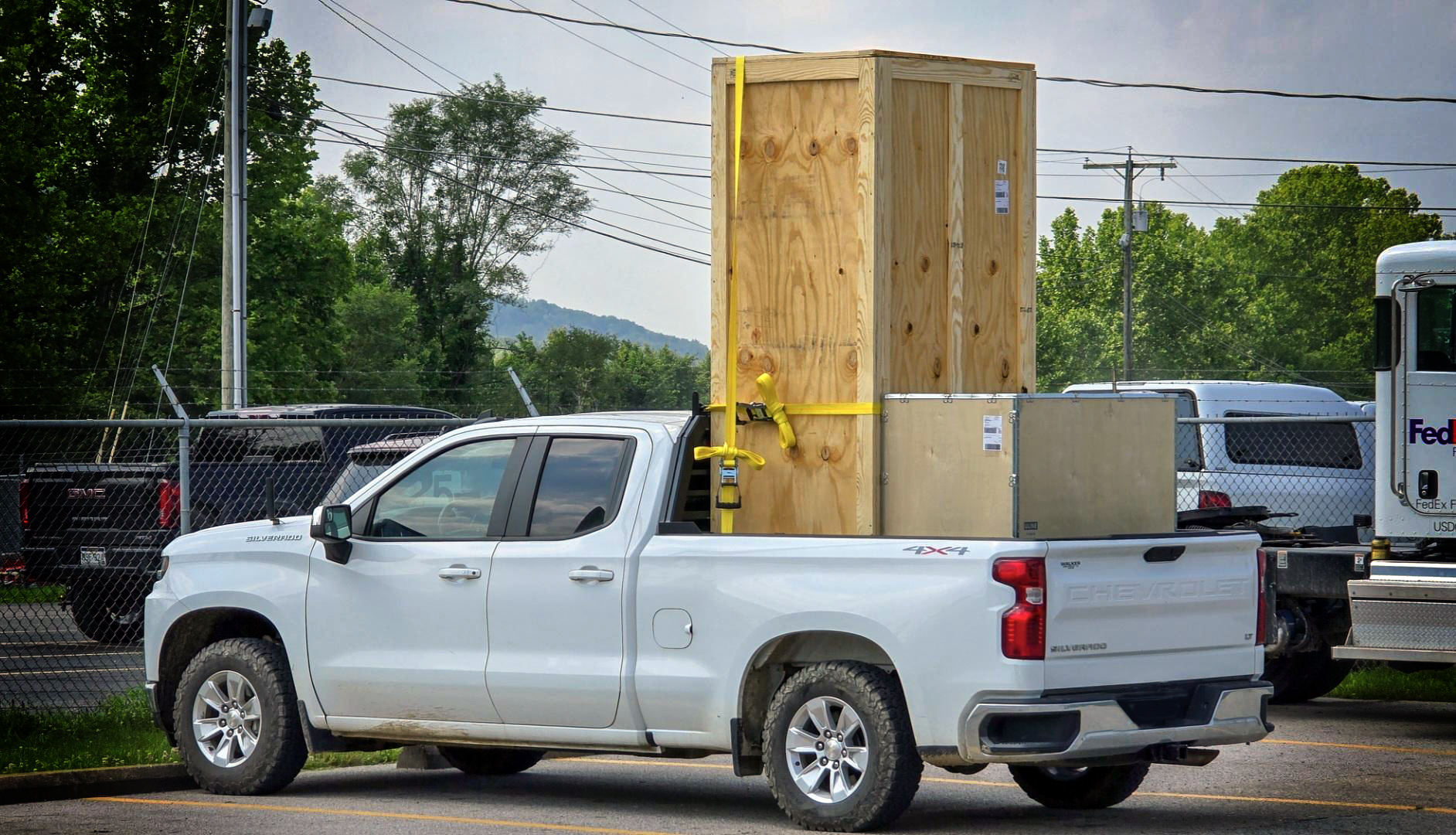
Managing the sheer volume of gear created logistical concerns.
“Our bottleneck was a moving target,” Cecil recalled. “At first it was just, how do we order and facilitate getting this stuff in? And then once we get it here, where do we put it? We had to bring shipping containers in and line them up out back to store inventory.”
Every rack was built on a blueprint, with an Aruba 6000-series 48-port switch, a Peplink SD-WAN router, a local compute cluster, DASDEC and existing Endec EAS units, and Inovonics modulation monitors.
For site connectivity, the team followed a directive: Pair two diverse broadband paths that never share the same physical ground infrastructure.
That meant pairing “fiber-class” links (terrestrial fiber, Starlink satellite or cellular SIMs) with “copper-class” links (cable coax).
“When you pair up Starlink with fiber, copper and cellular where we need to, we’ve got a good layered strategy for having reliable distribution at our sites,” Cecil said.
K-LOVE deployed 400 Starlink satellite dishes — plus backup Peplink cellular routers at all 712 sites — to ensure multi-WAN redundancy.
“If I’ve got a site and I have a broadband connection of sorts, and I get assigned an IP address, I am up in about 30 seconds,” Jackson said.
At K-LOVE’s HD Radio sites, processing is handled by Omnia.9 Mark II units — upgraded so Nielsen PPM encoders run inside the box — while analog sites are running Orban Optimod 5950 HD processors.
HD Radio transmitter feeds were delivered using either a Nautel HDMC+ or a GatesAir FMXi 4G, depending on the transmitter used on site.
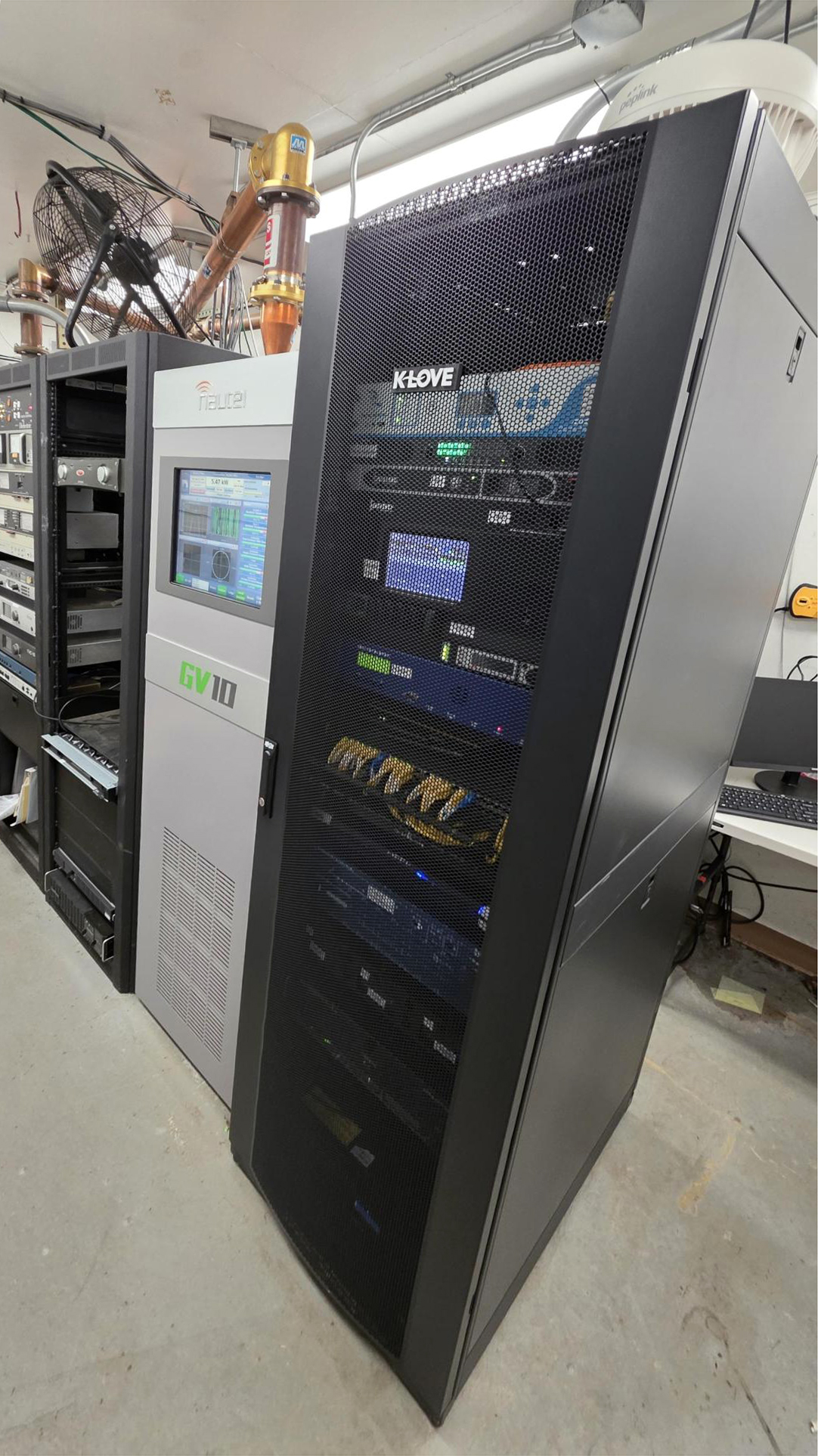
To feed the new IP architecture, K-LOVE is deploying Adventure 33’s Prism distribution platform, pushing streams from Franklin and a backup server near Las Vegas.
For market-specific programming, RCS Zetta and Zetta Splits handle custom, song-level localization, while Super Hi-Fi’s platform manages content creation and distribution. From there, an in-house HLS encoder packages and time-aligns the audio with metadata before it reaches the stream.
Completed racks were pre-configured, serialized and shipped out of Franklin at a remarkable pace.
“It was like Ford building B-24 bombers at the rate of one every 30 minutes,” said Mike Pappas of Orban Labs.
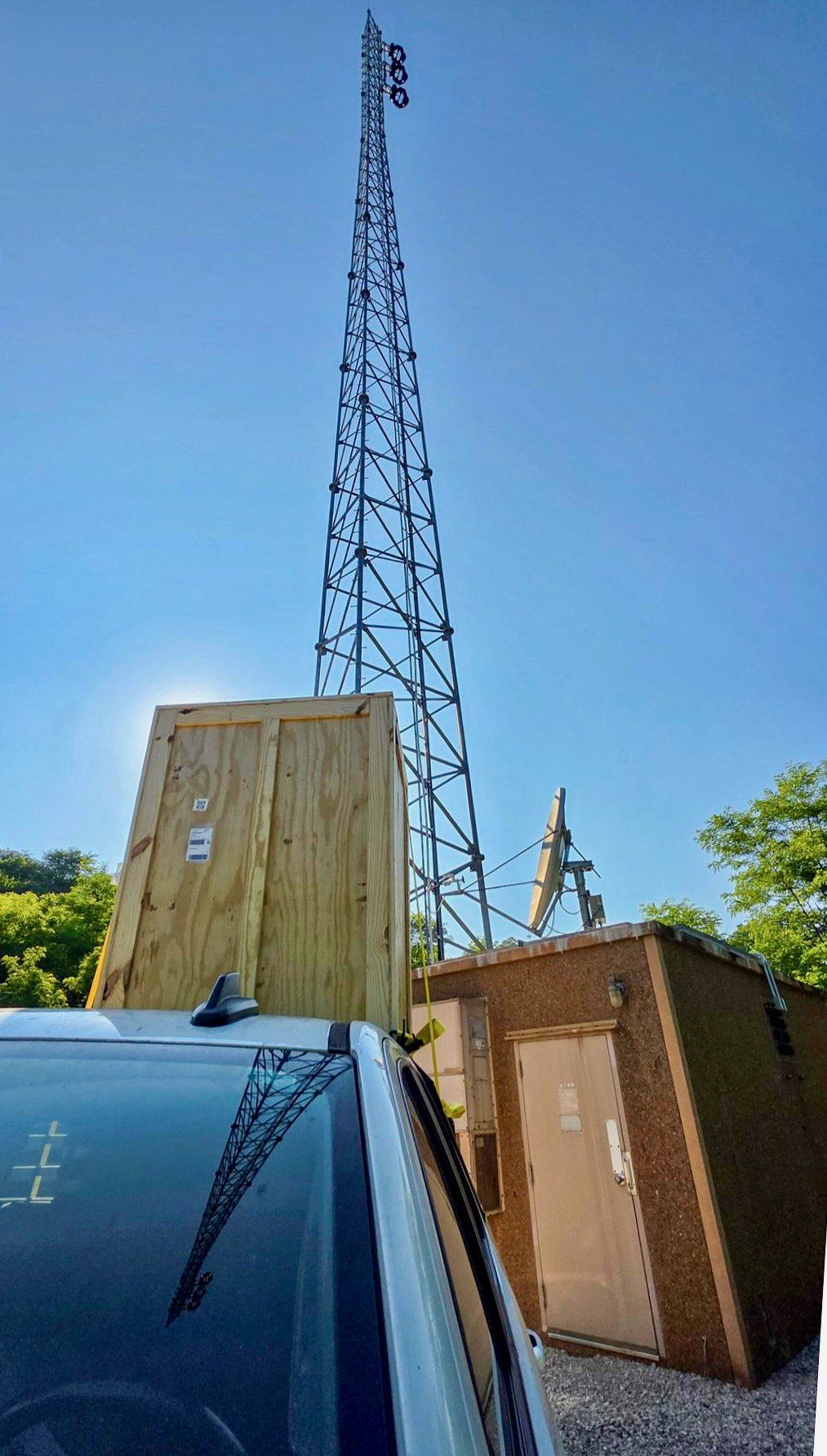
In the field, regional engineers pulled crates off transport trucks, hauled them up to the transmitter buildings, swapped the racks out and shipped the old gear back to Tennessee for decommissioning.
Boots on the ground
Testing had begun quietly in late 2024. Jackson and Cecil installed the first pilot rack in Nashville at WLVU(FM) and let it run for four to six months to monitor packet stability before putting a second test unit in Washington, D.C. at WLVW(FM).
Full field deployment was shaped around the calendar. Beginning in April 2025, the engineering team mapped out “winter challenge sites” — remote or high-elevation locations where access roads freeze over by mid-October and stay closed until spring.
“Bill and I spent 42 nights in hotels in November and December 2025 alone,” Cecil said. “But it was our field engineers who showed incredible grit and unwavering commitment.”
Cecil felt it would be impossible to single out individuals for their work because it was all-hands on deck across the field team.
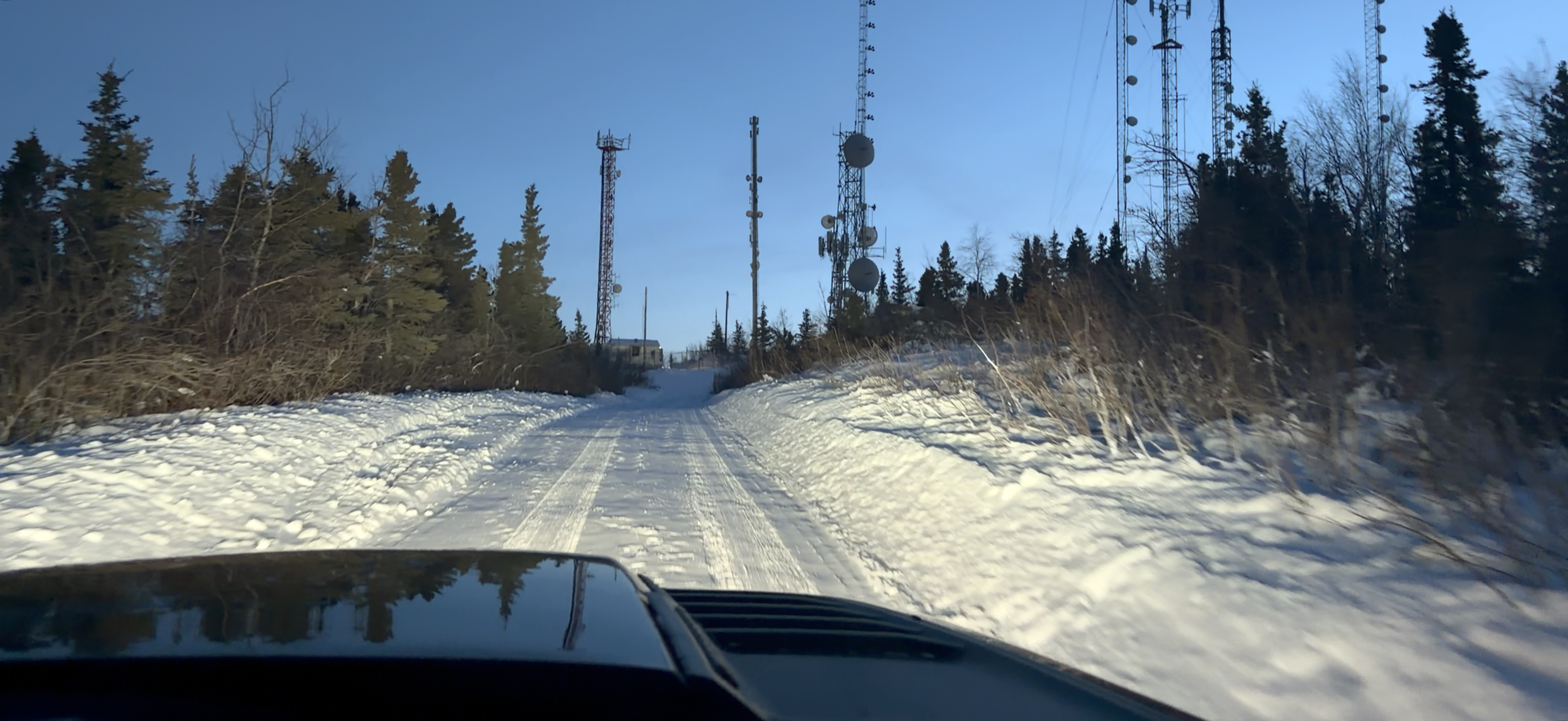
And during the big push in September to January, Mother Nature offered plenty of resistance:
In Fairbanks, teams waded through thigh-deep snow.
At Mount Diablo, Calif., an engineer drove down the mountain in pitch darkness through driving rain and fog.
In Livermore, Calif., engineers navigated around active rattlesnake habitats.
In Phoenix, an engineer took a helicopter up to South Mountain three days in a row, with the aircraft idling on the peak while he worked on the install.
The camaraderie between Jackson and Cecil helped keep them going during their own long stretches on the road. Jackson credited several industry mentors for perseverance, namely Ed Rice of K-LOVE, Mike Pappas of Orban, Marty Sacks of Telos Alliance and Bo Hoover of Technical Services Group.
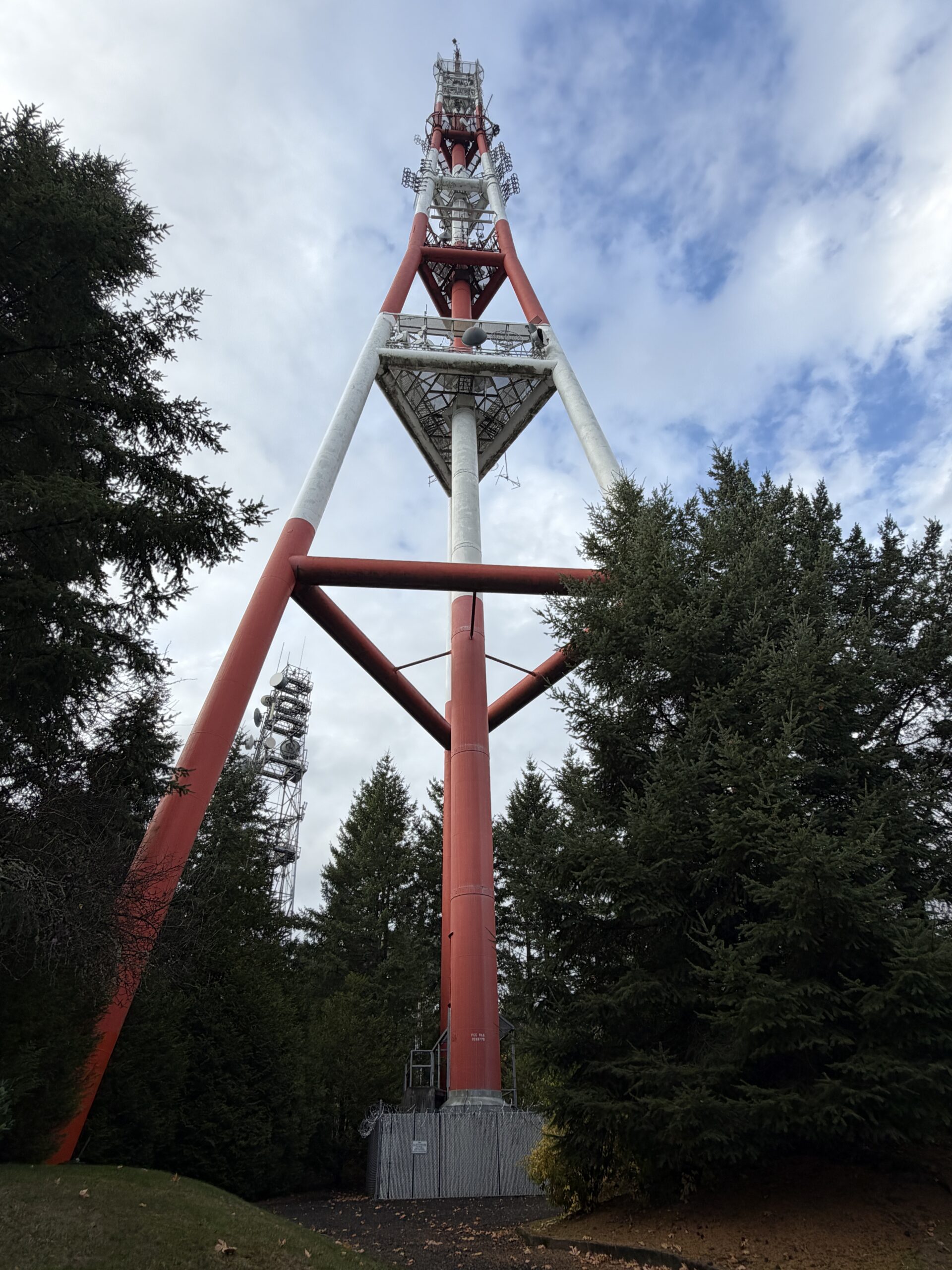
Cecil described Jackson as “the brains of the operation,” but the latter demurs.
“It wasn’t supposed to be the Bill Jackson show — it was a collaboration,” Jackson said.
Cecil spent 23 years at LifeWay Christian Resources, including 17 as a senior application specialist. His knowledge of IT and networking runs deep.
“I needed him to be at the same level I was so I could be body-checked against the glass, so to speak,” Jackson said.
The reward for those long drives wasn’t just checking sites off a list. “Sometimes we were able to stand on top of a mountain and just have a breathtaking view for a minute,” Cecil said.
“Those are the things I remember more than the busted knuckles.”

All 712 target sites were converted to IP-based delivery by Jan. 20 of this year.
The big engineering effort inspired an 11-minute video that was released within K-LOVE and posted on the internet called “Boots on the Ground: The Engineers Behind the Signal.” As one team member notes in the opening: “It takes a special person to be an engineer.”
Next steps
For triggering emergency alerts, proprietary HLS delivery over the SD-WAN infrastructure represents stage two of this project. The team described implementing this solution as a “crawl, walk, run approach,” with around 100 sites converted as of September.
At present, non-HLS sites rely on IP-fed receivers of the legacy ATX system, or the original “Top 50 Market Project” architecture bridge combining a studio routing controller and Axia Pathfinder commands, all encoded via Telos iPort or Zephyr Connect and delivered via SRT to transmit audio, metadata and triggers over the internet to activate local rack relays.
Coupled with EAS units monitoring local LP-1, LP-2 stations over the air and other required monitoring, K-LOVE can perform mandatory emergency tests as its HLS rollout continues.
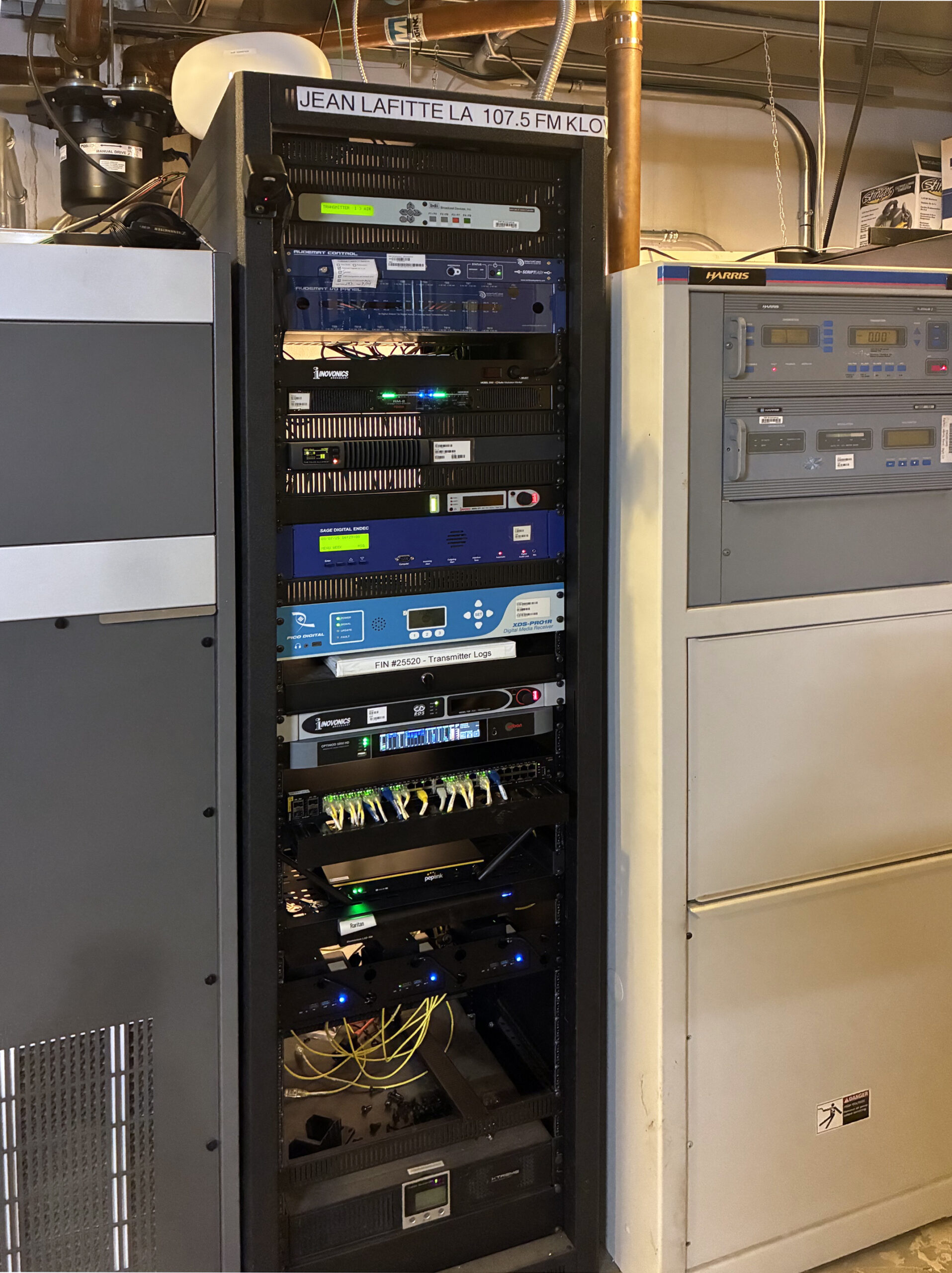
But once HLS is instituted, K-LOVE’s architecture will split a six-second audio chunk at the same millisecond the JSON string triggers the RWT EAS tests.
The receiver at the transmitter site receives the analog trigger derived from the JSON string in the digital metadata, firing the rack relay without leaving long silent gaps, clipping header tones or throwing off on-air timing. “We’re executing a network doughnut hole for local tests to occur,” Jackson said.
Meanwhile, programmers for K-LOVE and Air 1 now have the ability through RCS GSelector’s Schedule Subscription Service and Zetta, as well as Super Hi-Fi’s architecture, to make song changes at the station level.
Future-proofing the dial
Now that they’ve had a chance to catch their collective breath, Cecil and Jackson are able to reflect on what seemed like an impossible challenge.
“Moving to IP is certainly not something that we did first, but we are future-proofing what we’re doing,” Cecil said. “Look at telecom in the early 1990s. They were pushing back on some of the same IT integration that people in radio are pushing back on now.
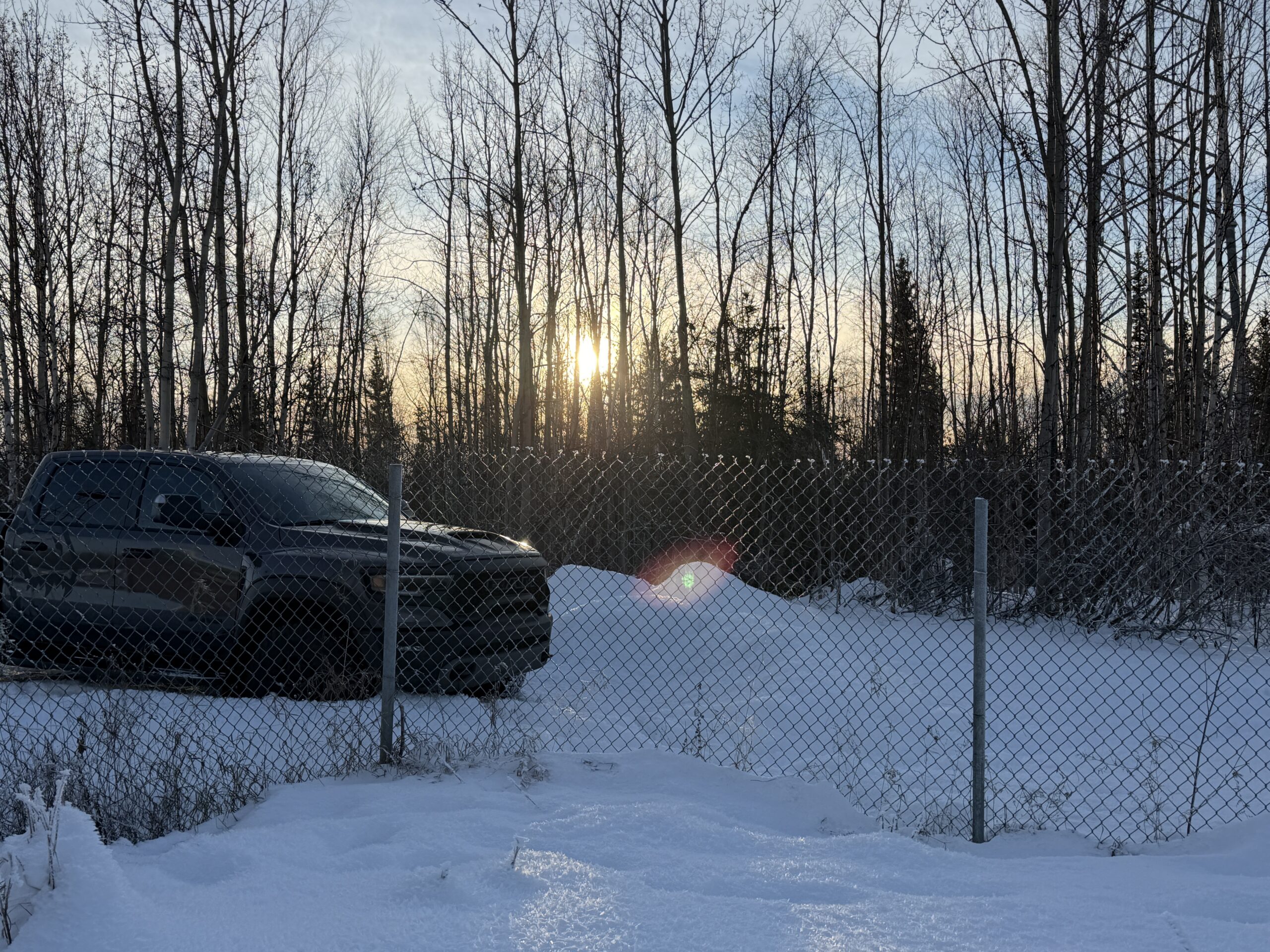
“Go find an analog phone system somewhere today,” he continued. “If you’re not future-proofing your broadcast system today, you’re probably not going to be broadcasting in a few years.”
It is a mindset that Cecil and Jackson believe can serve others.
“If you can present things to your organization that show efficiency, you’re a superhero,” Jackson said.
Beyond solving the satellite cutover and transforming this to a digital-first architecture, Project Nehemiah was built on another rule: Never rely on a single supplier.
“From a practical standpoint, it’s not good to put all your eggs in one basket,” Jackson said. “If COVID-19 taught us anything, it’s that certain vendors went out of business or suffered severe supply disruptions.”
That approach extended to transmitter choices. K-LOVE divided the installs between GatesAir and Nautel based on site requirements and will seek a third vendor by the end of 2026.
[Related: “K-LOVE Continues International Push With TWR Partnership”]
“We want radio to not only survive, we want radio to thrive,” Cecil said. “For it to thrive, we need everybody working together. If we survive and commercial stations don’t, we die. Competition drives innovation, and everything is not about cost.”
By replacing $25,000 legacy STLs with redundant broadband connections, K-LOVE believes it has proven that IP distribution is within reach for stations or groups of any size.
And to document its work, according to K-LOVE, the consortium of Super Hi-Fi, K-LOVE, Orban and Omnia has open-sourced the HLS metadata work and GPIO methods.
“There are those in the radio industry set in their ways,” Jackson said. “I can’t stress enough how important it is to change from a fixed mindset to a growth mindset.”
While the work on HLS conversion continues, the team at K-LOVE is developing an AI-based system to gather telemetry from every transmitter site or distribution end point. It is what Cecil and Jackson call a proactive rather than a reactive approach.
“We want to put a model out there and let people know there is another way,” Jackson said. “If the industry dies, we die. Let us use what we’ve bloodied our knuckles on and the opportunities God provides us so that other broadcasters don’t have to.”
[Do you receive the Radio World SmartBrief newsletter each weekday morning? We invite you to sign up here.]