In this letter to the editor, the reader responds to the story, “Want Younger Listeners? Give Them the Microphone.” Radio World welcomes letters to the editor on this or any story. Email [email protected].
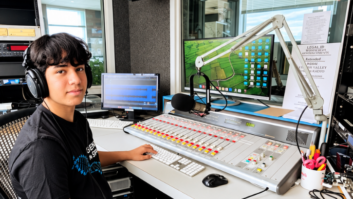
As someone who has previously run a youth radio program, I read Aryash Shyam’s piece, “Want Younger Listeners? Give Them the Microphone,” with great interest.
The young author’s enthusiasm for bringing more student voices to the air is welcome, and I share the underlying belief that public media should do more to engage the next generation. I would, however, offer a distinction worth considering.
Putting young people on the air and attracting younger listeners to radio are two different objectives. Program directors can look at their audience data and demographic trends to get a sense of whether one necessarily leads to the other. In my experience, it generally doesn’t. But that certainly doesn’t mean we should abandon the effort. Quite the contrary.
It means we should think carefully about how we connect generations through the medium.
Broadcast audiences tend to skew 35 and older, and listeners who tune in to news stations generally come looking for information, perspective and context. As someone who has long championed young people as producers and contributors, I also believe we have a responsibility to respect why people tune in while helping them better understand the world around them.
At KQED(FM), our radio and education departments recently collaborated on a series of segments in which students explored topics including voter registration and the country’s July anniversary.
Rather than simply airing a collection of student commentaries, we curated their contributions and provided context about the issues students were thinking about in 2026.
We placed the segments in afternoon drive time as part of our regular news programming. That decision was intentional: it signaled to listeners that these young voices were contributing to the news cycle while giving our core audience, many of whom might not regularly interact with high school students, a window into how a younger generation is thinking about the midterms and the future they will inherit.
That brings me to a question I’ve wrestled with throughout my own experience in youth radio: whether creating a standalone half-hour or hour of youth programming is the most effective way to build a lasting connection.
I’ve done such radio shows, and while there is real value in giving young people a dedicated platform, I’m less certain about its ability to move the listenership needle or how sustainable that commitment can be once its internal advocates move on.
Very little radio content today is truly destination programming, and there’s a risk that we unintentionally marginalize young voices by confining them to a separate corner of the programming schedule. Instead of making them part of the conversation, we make them a special feature.
I’ve also observed, through working with many parents who wanted their children involved in youth radio, that a family’s existing relationship with the medium often plays a significant role.
Parents who are regular radio listeners can introduce their children to it, but that doesn’t translate into an independent interest in radio itself. That’s another reason I think we need to be thoughtful about how we approach the next generation.
If a dedicated youth program is the right decision for a particular station, I applaud the effort. I believe the greater opportunity is to bring young people’s perspectives into the listening habits of our existing audiences, connecting listeners with how their children and grandchildren see a world they will soon help lead.
That creates something valuable for both generations: a meaningful platform for young voices and a richer understanding of the communities and perspectives that will shape our future.
And a salute to this young producer for making the case. We’re fortunate to have passionate young advocates for radio, and we should do everything we can to give them a reason to stay involved.
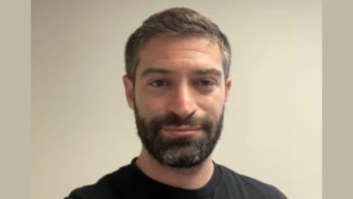
– Ernesto Aguilar, KQED(FM)’s executive director of radio programming and content innovation initiatives.
Comment on this or any article. Email [email protected].