At almost 11 p.m., your essay is due tomorrow and a chatbot can write it in seconds. Is that help, or did it just do your thinking for you?
That was the question I posed at the start of my interview with MIT education researcher Justin Reich. I could have opened with his research on educational technology, but I started with a moment I recognize from school.
He took the question seriously. We talked about students using AI to bypass learning, teachers trying to figure out what works, and why no one has an easy answer yet.
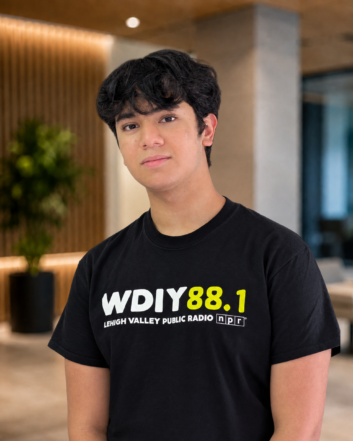
I’m 14 and host “Teen Scientist,” a monthly half-hour program on 88.1 WDIY(FM) Allentown, an NPR member station in Pennsylvania’s Lehigh Valley.
I can’t speak for everyone my age. But producing the show has shown me what changes when young people help shape the programming.
Start with the question
I spend a lot of time thinking about where an episode should begin. AI in education sounds like something assigned for class. “Can AI help you learn, or is it just finishing your homework?” That sounds like something students might argue about on the way home. The research is the same, but the second question makes me want to hear the answer.
For another episode, I interviewed Purdue physicist John Eric Goff about the World Cup soccer ball. We could have began with aerodynamics. I wanted to know whether the ball itself could affect the game. That led us into seams, surface texture, airflow and why a ball can suddenly behave differently in flight. I needed an entry into the physics, and the soccer ball gave me one.
A program director shouldn’t assume youth programming has to be about youth. If you’re going to give a student a serious subject, let them choose the part they’re curious about. A younger host might pose a question on something an experienced interviewer has stopped thinking to ask. Adult listeners can benefit from that line of questioning, too.
More than a voice
But a young voice by itself is not a program. Someone still has to make it worth half an hour.
For each interview I read up on the guest’s work, decide what I actually want to learn, write an introduction and arrange questions into a path that a listener can follow. I usually plan about two minutes to set up the story, roughly 27 minutes for the interview and a short ending.
My questions are ranked because there is never enough time for all of them. I keep backups, but I have also learned to abandon a carefully written follow-up when the guest says something more interesting.
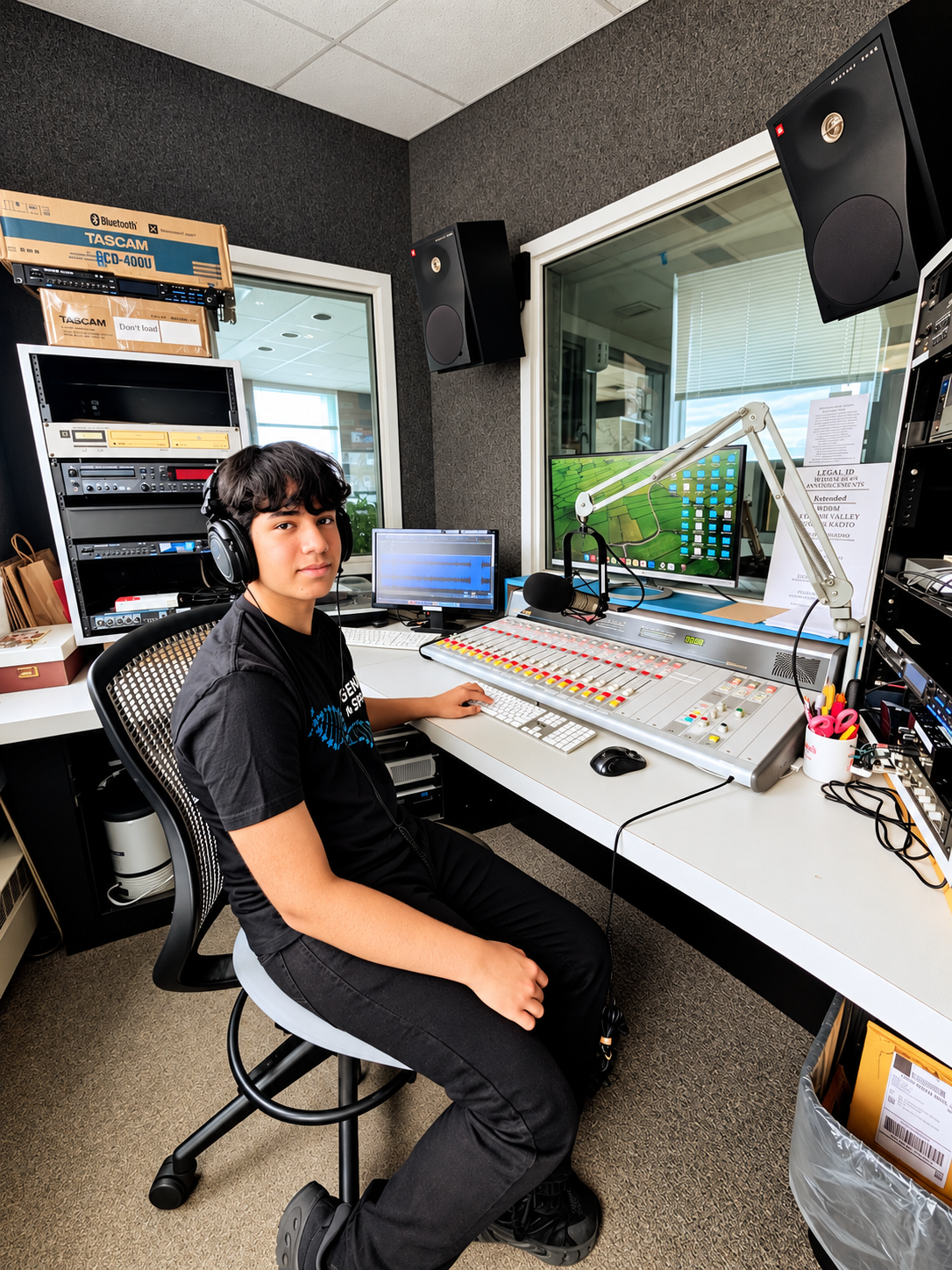
Those are decisions I have to make, but WDIY doesn’t leave me on my own. Audio engineer James Zipprodt records our Zoom interviews, and sometimes I’m in the WDIY studio while he runs the equipment. I do the research, write the scripts and edit the interviews.
James has more production experience than I do, and being able to ask for help has taught me what a professional program requires.
What it actually costs
A station doesn’t need to invent a department to try something like this.
Guests join us over Zoom, and I edit in Audacity, which is free. A half-hour once a month also fits around school. But I wouldn’t call the show free to produce.
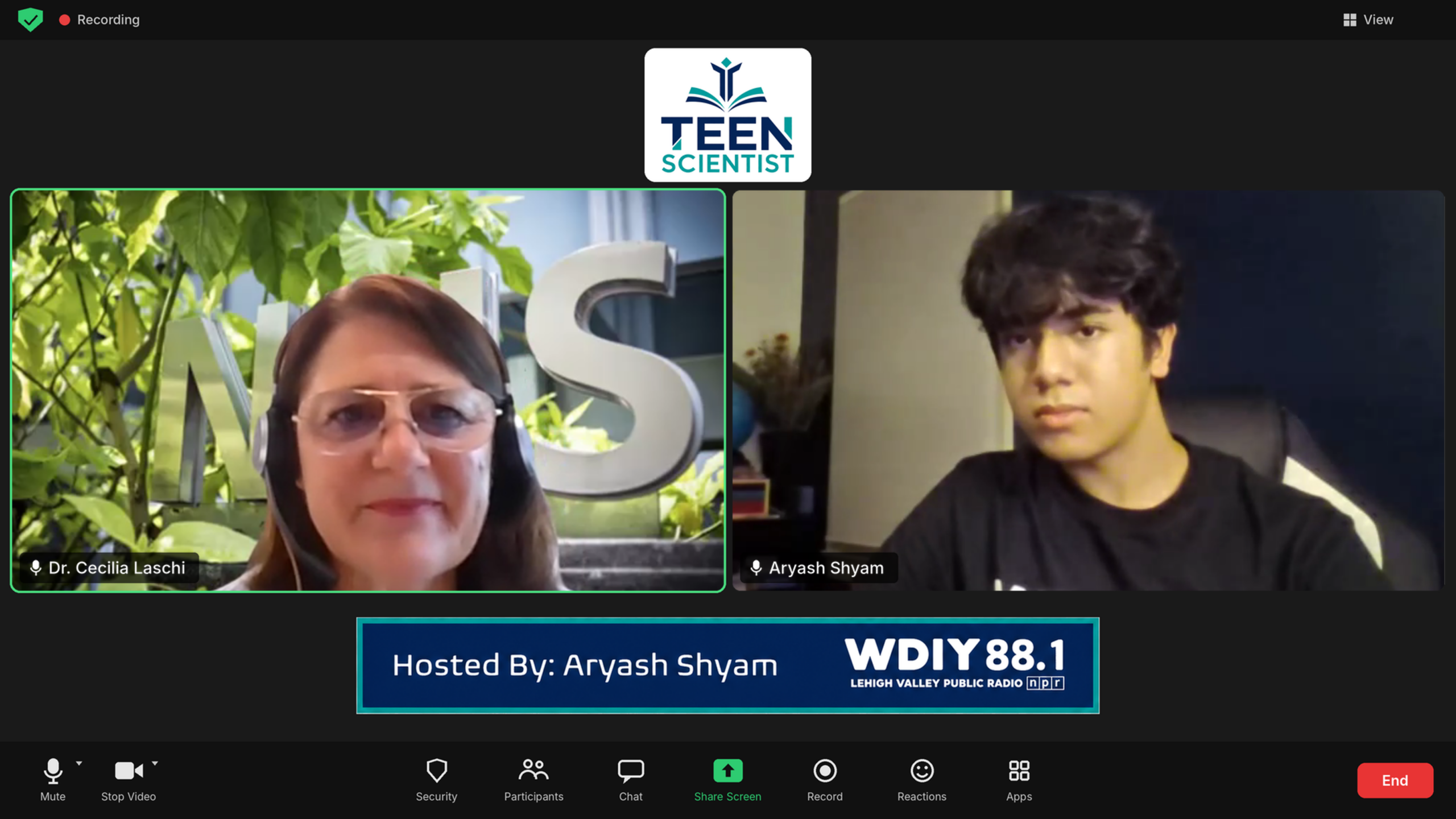
James’ time, the station’s airtime and my own work of reviewing the finished program are real commitments. I couldn’t make “Teen Scientist” the same way without WDIY’s support.
Getting someone to hear the show is a different problem. “Teen Scientist” airs on the first Thursday of the month, but episodes are available as podcasts afterward.
When I mention the show to friends at school, I can send a link instead of asking them to tune in at 6 p.m. They’re hearing something they might care about from a station some of them may never have known existed.
I don’t know whether they’ll listen to another episode, but I’d be interested in finding out rather than assuming every new listener will become a regular. The broadcast still matters to me because the station gives the program a home and holds it to professional standards.
Where a station could start
If a station wanted to see whether a young host would connect with listeners, it wouldn’t have to commit to a half-hour show right away. A short recurring segment could be a start.
I’d want the student to choose a subject they cared about and help shape the questions, with someone experienced at the station by their side to make sure the program was ready for air. That would give both the station and the student a chance to see what worked.
When stations talk about their future audience, young people are usually the subject of the conversation. What I’ve liked most about “Teen Scientist” is being part of the work instead of just being someone the station hopes will listen.
I don’t know whether I’ll work in radio professionally, but I understand a lot more about it now, and I care about it in a way I didn’t before I started. I’d like other students to have the chance to find that out for themselves.
Aryash Shyam is a 14-year-old ninth-grade student and host of “Teen Scientist” on WDIY 88.1 FM in Pennsylvania’s Lehigh Valley. The program is available on WDIY’s website.
Radio World welcomes letters to the editor on this or any story. Email [email protected].