Technicians who still test and maintain equipment using ’scopes or VOM probes will appreciate this “better mousetrap.”
The tweezer clip pictured here permits your probes to snap in place, so you can hold onto the probes with just one hand and use the other to make measurements. No more juggling probes only to have them slip off the contacts you are measuring.
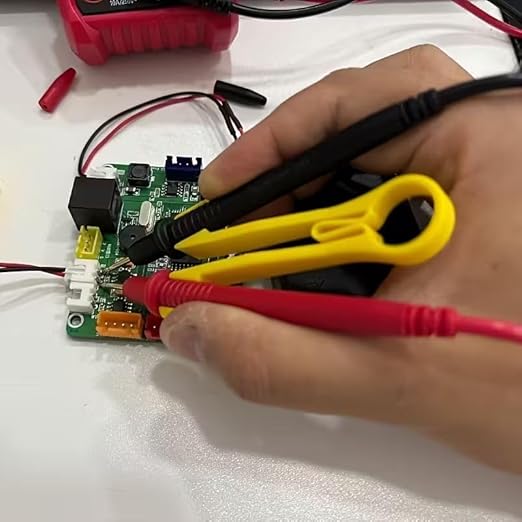
The best part: This probe holder costs only around a dollar! At the Temu or Amazon websites, search “One-Hand Multimeter Clip.”
Visual inspection
Summertime can bring thunderstorms, hail and even tornadoes. And for stations along the East Coast, a real concern is hurricanes.
It’s important to keep your backup generator ready. What should an engineer be mindful of?
David Morgan, CBRE, is director of engineering for Sinclair TeleCable in Norfolk, Va. He says your first check should be the radiator hoses. We know to maintain coolant, but just as important is the condition of the hoses.
With the generator off and with the breakers flipped to “off” to prevent it from starting, gently squeeze the hose. Look for cracks. The surface should be smooth and pliable. Cracks indicate weaknesses.
Also conduct a visual inspection of the belts. Locate the longest unsupported section of each belt inspect it for abnormal wear, such as glazing on the side or missing chunks of the belt. A strong trouble light will help you in this inspection.
Missing chunks can be caused by high temperatures from the heat of the engine or from the friction of belt slippage.
Next, start the generator and listen. Noise is the first indication of belt (and possibly pulley) problems. Squeal during start-up signifies belt slippage. Check for glazed sides of the belt. You may also hear belt squeal during a load test as the station’s electrical load is transferred to the generator. Under normal conditions, changes in RPM should not cause the belt to slip.
Observe the belt as the engine runs. Watch for erratic movement of the belt or for flutter as it turns. Either condition warrants further inspection by a generator technician.
Friction between belt and pulleys will wear the belt away, just like a car tire. The most common area of wear is on the tops and walls of the belt ribs. Eventually, friction causes the grooves of the pulleys to bottom out on the grooves of the belt, with belt slippage as the result.
Poor alignment in the belt and pulleys is the biggest cause of noise. This condition can also cause belt fraying and premature wear.
The best way to inspect for this condition is to sight down the side of the belt to make sure the belt edge doesn’t make any bends away or toward the engine. Any deviation that’s large enough to see is excessive.
Use caution when adding oil or coolant to the generator engine. If either comes in contact with the belt, slippage can increase and cause heat damage from friction.
Also inspect the seals around the water pump and engine oil seals for leaks, as they can contaminate the belt surface.
If you spot a squeal, investigate!
David points out that in a hurricane zone, you may need your generator to power your facility for several days, even a week or more. But when properly maintained, any generator can provide years of reliable service.
These are basic tips and are not intended to replace a yearly generator service. But when you do inspect your generator, be sure to mention it to the general manager. You are protecting the station’s assets and assuring business continuity.
More gentips
While we’re on the topic, here’s a refresh of useful tips that we shared last year for planning a generator. They come from consulting engineer Charles “Buc” Fitch, P.E.
- Choose the proper power sizing for the task and character of the load.
- Determine the best choice for fuel. Local ordinances may restrict certain types.
- Consider the operating noise level, which in some instances may be regulated by local ordinance. When it comes to the engine muffler system, Buc says, “more quiet” tends to mean “more cost.”
- Consider access for maintenance. Don’t create a situation where service to the generator requires you to move a wall or rearrange the cars in the parking lot.
- Determine the true cost of operation — the total you pay to obtain and use it, including maintenance contract, fuel, required fencing, pilasters, etc.
- Figure in the cost of discouraging vandalism. Prudence dictates proper fencing, locked cabinets and a security camera.
- Consider fire safety. Think about containment, suppression or detection systems.
- Remember run-time cycling. This depends on the character, frequency and duration of your outages.
- Explore options like remote monitoring and control; a fuel level sensor that can summon the fuel company; an excessive run indicator; an engine hours meter; and an alarm to warn of failure to start on exercise.
- Look ahead. Do you have upgrades in mind that might require a few extra kW of capacity later?
Send your tips! Workbench submissions are encouraged and qualify for SBE recertification credit. Email [email protected].