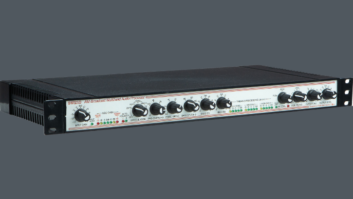
I grew up in northern Minnesota, so I’m used to the cold. My old radio silence alarm, however, doesn’t share my origin story, and it gets a little perturbed when a cold snap hits. One of its favorite activities when it feels chilly is sending out false alarms.
After trying a heater, a heated blanket and some basic troubleshooting, the idea of replacing the entire unit started to make sense.
It was nearing 30 years of service and had been giving us problems for a few years. I jumped on the internet to see what replacement options were out there. After all, it’s a simple device. It trips a relay if audio doesn’t meet a threshold for a certain period of time. Surely I could pick one up cheaply.
Well, I couldn’t.
Naturally, my brain started thinking about how I could do this without turning it into a full-blown project. Maybe I could train an intelligent hamster to push a button if it heard silence for too long. Problem: I don’t have a hamster.
Eventually, I arrived at a familiar engineering crossroads. Either spend the money and avoid the struggle, or dive into the problem and hope to come out the other side.
While I do believe the quick fix is often the right fix, this time I decided to take on the challenge.
Although I spent much of my early career manufacturing electronics, I’ve never designed circuitry from scratch. This is where broadcast engineers, who are natural generalists, find the internet invaluable. Forums, tutorials and yes, even AI, can help fill in the knowledge gaps.
After some study, I figured out what I needed: a device that could amplify the signal to a usable level, clip the negative half of the AC waveform, smooth it into DC, compare that signal to a threshold and trip a relay if it stayed below that threshold for a set amount of time.
Suddenly, what I had assumed required some expensive magic metal box took shape as a collection of resistors, op-amps and capacitors.
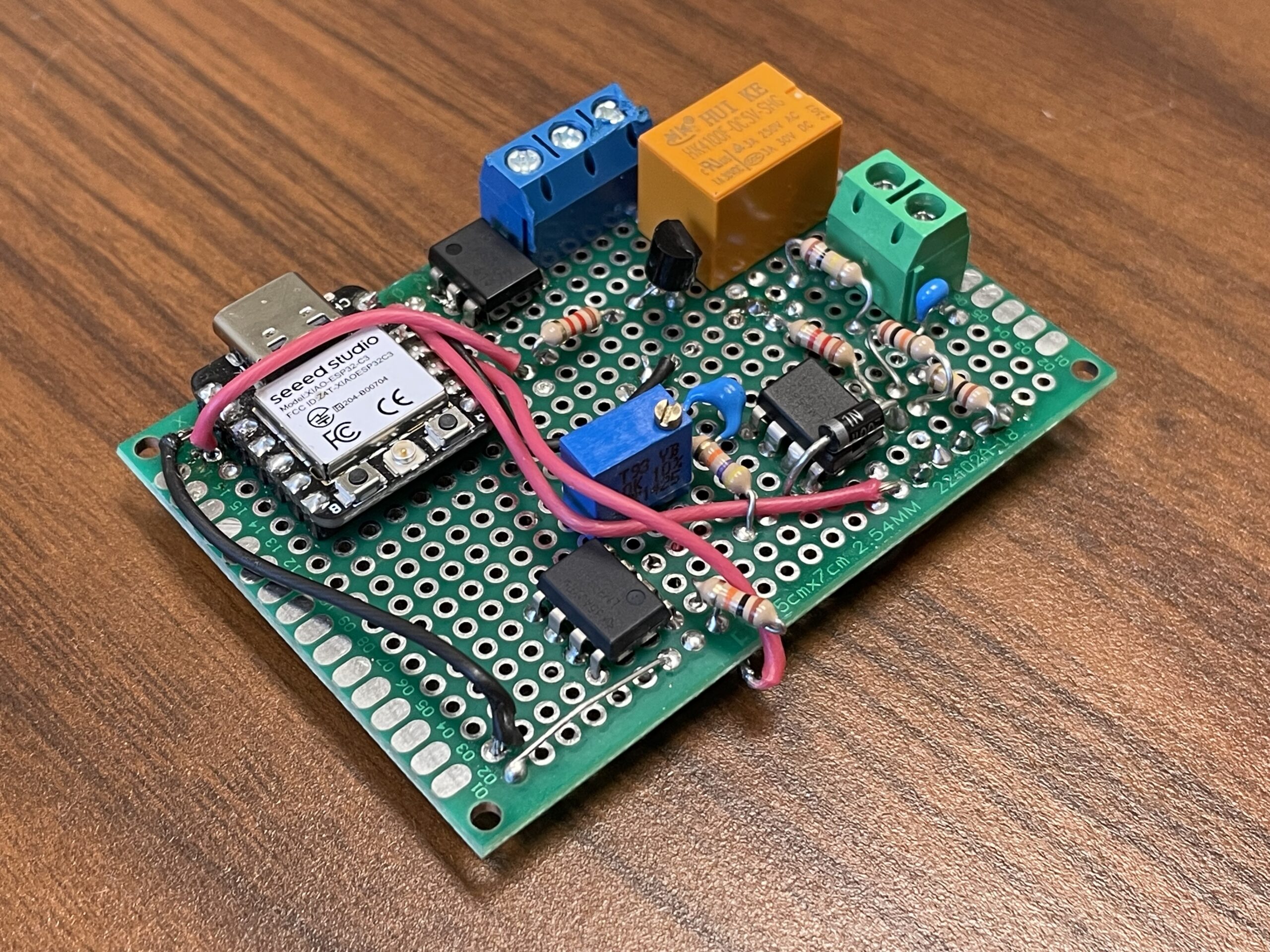
I used a free tool called EasyEDA to design the circuit. After a few short hours, and discovering how the zoom tool works, I was off and running.
It turns out you can struggle mightily with the simplest things when you step outside your area of expertise. Don’t give up. AI gave me a broad overview of what I needed, and good old-fashioned internet searches filled in the details of what each component was actually doing.
While I could have had AI spill out just enough information to build a silence monitor, I chose to dig deeper. Every new term sent me down a research quagmire. The last thing I wanted was to build my own circuit board without understanding how it worked.
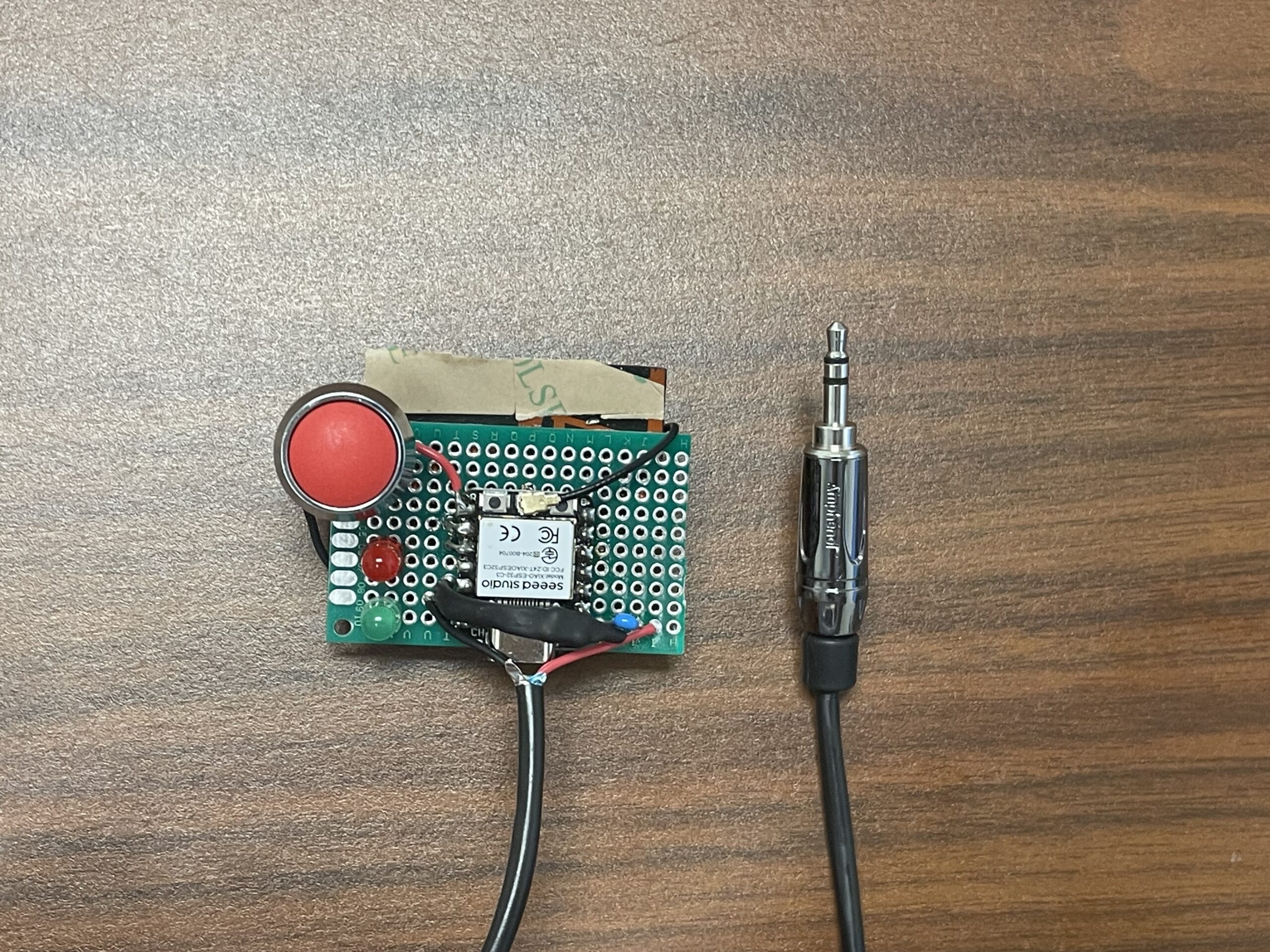
The hardware build for this project is on my GitHub repo. It includes the schematic and a general overview if you want to build one yourself.
But my hope is that this project gives you more than just a cheap silence monitor. I hope it plants an annoying little voice in the back of your head that says, “I think I could make that myself,” the next time you’re shopping for a simple but expensive piece of equipment.
In the end, the silence monitor was only a small benefit to this entire project.
And this project isn’t finished. I’m currently testing a new prototype that dramatically reduces component count while adding features. It is far less complex, and once testing is complete, I plan to release a step-by-step build guide.
[Read Radio World’s new series about next-generation radio engineers.]