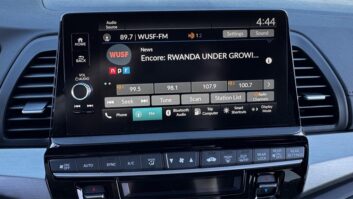
As the U.S. Senate adjourns until after the November midterm elections, a familiar concern for backers of the AM Radio for Every Vehicle Act has surfaced: Will time run out?
The next step for the legislation, as we’ve covered, is for it to move through the Senate. There was palpable momentum after the bill cleared the house in September. And previously, Sens. Edward J. Markey (D-Mass.) and Ted Cruz (R-Texas) secured filibuster-proof majority with 61 senators supporting it.
Most observers believe it will pass in the Senate, and President Donald Trump has expressed his support for the legislation previously. The president would then need to simply sign the bill for the mandate to take effect.
But the bill has to reach the Senate floor for a vote first, and there’s a scant few days left in this current congressional cycle. The 2023 version failed to pass in the Senate after efforts that December fell short.
Timeline
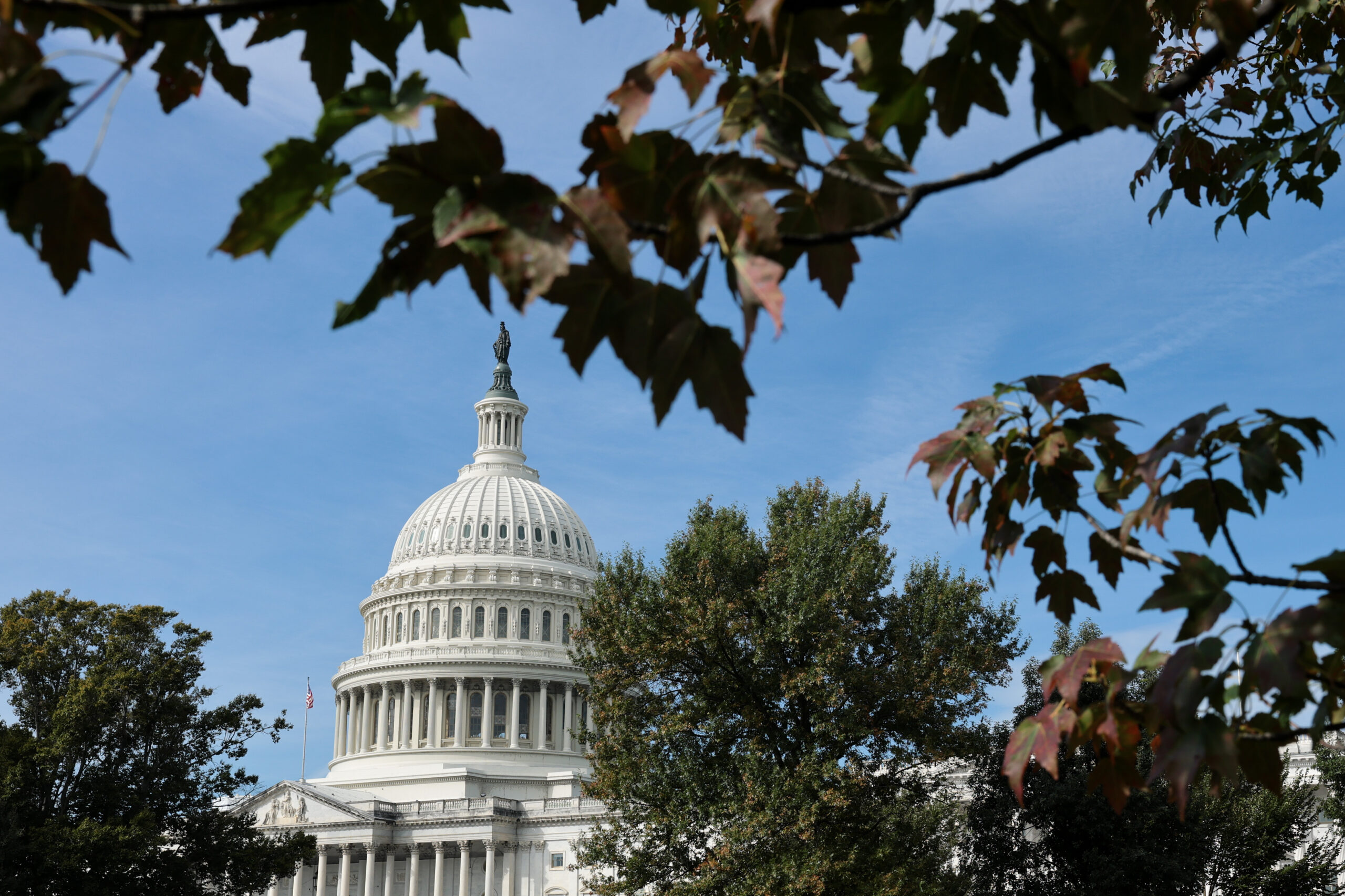
The AM Radio for Every Vehicle Act’s advocates eyed getting the Senate version of the bill on the floor before the senior chamber cleared for its midterm election recess. That did not happen, and the Senate will not return to the Capitol until the week of Nov. 9, according to The Hill.
If the clock runs out at the end of the year, the process completely resets. Any legislation that fails to pass before the current Congress officially ends on Jan. 3 dies, forcing supporters to reintroduce the bill from scratch next year.
And when the Senate returns from hiatus, it will face a logjam of legislative priorities.
As The Hill noted, the return begins a lame-duck session. When asked about pushing so much work into November and December, Sen. John Cornyn (R-Texas) sarcastically called the upcoming scramble their “golden era.”
The Senate has only eight working days scheduled for November and 14 for December, including Fridays, which are rarely used for floor action.
But the National Association of Broadcasters continues to express optimism. “We’re on the one-yard line, and the momentum behind the AM Radio for Every Vehicle Act remains incredibly strong,” NAB Vice President of Communications Carrie Healey told Inside Radio.
As we’ve reported, the bill requires the DOT to issue a rule within one year requiring AM radio capabilities to be standard in all new passenger vehicles sold in the United States.
The U.S. Congressional Budget Office reported the bill would impact roughly 2 to 2.5 million vehicles every year for models currently manufactured or planned without built-in AM receiving capability, according to its March cost estimate.
CBO estimates that implementing the bill will cost the federal government a total of $1 million over a five-year period.
[Do you receive the Radio World SmartBrief newsletter each weekday morning? We invite you to sign up here.]