Veteran radio consultant Fred Jacobs has had a month to reflect on what he saw at CES in Las Vegas.
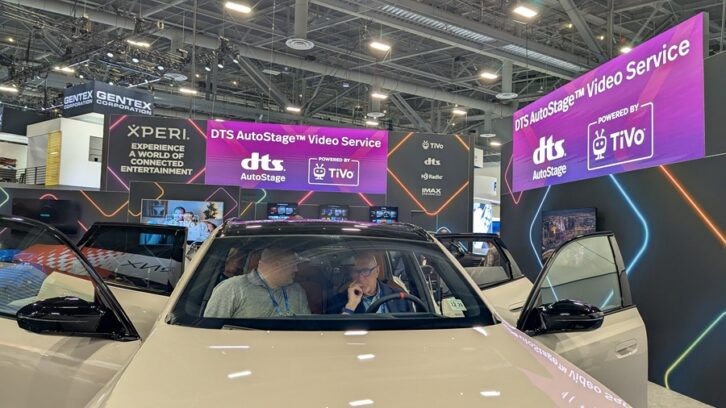
The fact is, Jacobs says broadcast radio was again nearly absent from the tech fest. Xperi’s DTS AutoStage with HD Radio was displayed in a shiny new Mercedes-Benz CLA, but beyond that there wasn’t much for radio broadcasters to celebrate; and even that display was showcasing the platform’s video capabilities.
You can watch Jacobs Media’s CES debriefing webinar at the bottom of this story. It includes his choices for “Worst of Show” products such as audio “lollipops” and an AI robot companion for children, as well as a sampling of exhibits directly relevant to radio such as SoundHound’s agentic AI ecosystem and will.i.am’s Raidio.FYI platform.
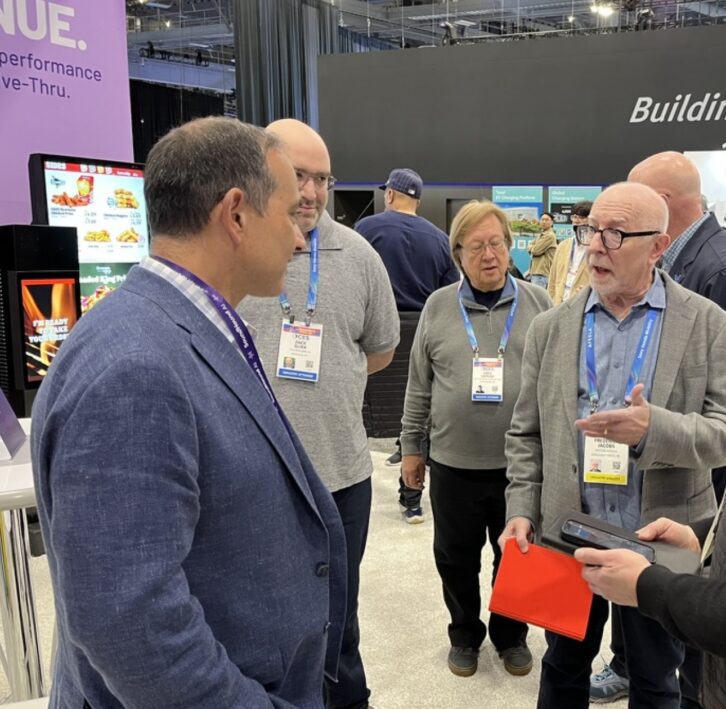
Jacobs says he remains interested in making connections between new technology he sees at CES and how it could be applied to the broadcast radio industry.
Along with his brother Paul, Fred Jacobs searched the floor at the Las Vegas Convention Center for every bit of technology that involved radio or could affect the broadcast ecosystem.
As he describes the show in a blog post: “CES is unorthodox, challenging and mind-bending all at the same time.”
The race for AI innovation continues and the uses are stunning, Jacobs told Radio World. AI is far beyond just a buzzword; it’s foundational to most new technologies.
“It’s accelerating content creation and spreading across broadcast applications,” he said. “The omnipresence of AI again this year overshadowed everything else. That speaks volumes about where it’s all headed.”
The car remains the main focus for radio broadcasters, he said. “But this was a more cerebral CES. Less gadgetry and more AI. The tsunami or avalanche of AI is how I see it. And really, advanced applications of AI.
“It required a lot more thought of what all of this means for radio. AI is infiltrating every product.”
[Related: Read John Garziglia’s posts for Radio World from the show floor.]
AI affects every square inch of new vehicle space, Jacobs says.
“Autonomous, heads-up displays, voice controls, infotainment delivery, safety and the passenger economy. Automobiles will soon be AI platforms.”
Yet carmakers were hardly represented, outside of a few autonomous vehicles. There were lots of cars, but these were used to show how AI is tying together gadgets and platforms for the convenience of the consumer.
“We’ve seen the pullback from the days car companies filled North Hall, and later the new West Hall, often with massive displays. This year, the big OEMs were missing in action. BMW was the exception, but their display was off in the Silver Lot. On top of that, perhaps surprisingly, infotainment was only a small part of their showcase.” Chinese carmaker GWM also had a display.
Jacobs learned how quickly AI is changing the way people interface with technology.
For example, electronics company LG wants to create a home hub of artificial intelligence that will control all of the connection points in the household, from appliances, maybe a robot and even to the dashboard of a car. The electronics manufacturer had the largest booth at CES.
A key takeaway is that AI is becoming more of a companion, “like an agent or assistant.” As Ford says about its own offering: “The Ford AI Assistant isn’t just another piece of software you talk to occasionally; it’s an intelligent thread woven seamlessly through every aspect of your life with Ford.”
Radio should take note, Jacobs said, because “It’s companionship, something that most media outlets do not have, but radio always has.”
He was disappointed not to see more of radio.
“We even opted not to sponsor our broadcasters’ tours this year because we just didn’t sense a lot of interest following a difficult 2025, so that didn’t help radio attendance. But in the main, the broadcaster turnout was disappointing especially when you consider who was there,” he said.
Over at the crowded C Space event in the Aria, iHeartMedia did have a presence.
SiriusXM staged a huge display at C Space, which caught Jacobs by surprise. On a Jacobs Media webinar recapping the convention, Chris Brunt of Jacobs Media said SiriusXM welcomed guests in a significant display space.
“Their CEO was there, and he revealed half of their new cars now have a return path for data, which means they can show listener data to advertisers and their DJs and listeners can interact through the technology. Just more in-car developments that will have an impact on terrestrial radio,” Brunt said.
Back in the LVCC West Hall, Xperi made the U.S. debut of its advanced DTS AutoStage platform. It now offers in-car video streaming based on its TiVo platform. Xperi said that five OEMs have adopted the video platform.
Xperi, Jacobs said, is “clearly going headlong into the video space. That should tell you something because these are radio people, but they see the importance of video streaming in the car.”
Still, the presence of DTS AutoStage and HD Radio was encouraging.
“With other dashboard ecosystems, broadcast radio has been mostly an afterthought, if that. With AutoStage, radio is still primary, and it shows.
“In addition, there’s the data. Xperi’s heat maps are impressive, providing radio broadcasters with actual in-car usage from the expanding AutoStage platform.”
Mercedes showed the latest version of its GLC model. Its AI-based MB.OS platform featured an optional MBUX Hyperscreen almost 40 inches wide.
Personalization and customization continue to be key elements for music delivery systems, Jacobs says. After what he saw at CES, it’s even more clear that AI will play an important role in anticipating our moods and tastes.
“Radio delivering its content on other platforms — apps, YouTube, newsletters, podcasts — can provide consumers with the types of programming and listening options they’ve come to expect from new technologies,” he said.
“The difference is that radio, when it’s doing its job, features favorite personalities who know and can reflect the local vibe.
“And then there’s the live element, something that digital media typically lack but radio can still deliver. A show like CES is a reminder to radio it must strategically be a different kind of information and entertainment medium in a rapidly evolving digital environment.”

While CES may have underwhelmed on the radio front, Jacobs says it isn’t that technology is leaving radio behind.
“While it’s true you can wander around CES and never bump into a radio, the beauty of this show is you can easily experience technology that can make radio more efficient, scalable and even better, depending on how it’s applied. That’s the reality of the AI megatrend, a technology that is showing up everywhere, across all media and industries,” he said.
“I think radio companies are quietly using AI technology more and more, but they aren’t talking about it much. It is the kind of thing where anyone in the organization can participate and make a difference, so the democratization of content and ingenuity is exciting.
“But they must dive in and learn. Social media had a similar growth pattern. Often broadcasters talked about it but many didn’t personally participate in it. That’s the case with a phenomenon like TikTok now. You can’t just talk about it — you’re got to walk the talk.”
You can watch Jacobs Media’s CES debriefing webinar below.