This is the second in a two-part series; read Part 1 here.
Nature has a rhythm, and since HVAC is an exercise of controlling nature in a confined space, we’d best follow that rhythm. Here are tips as a companion to the article on the previous pages.
- Change or rotate filters in the path of air flow on a seasonal basis. In systems with multiple air handling units that experience uneven run time, an option is to move filters around to maximize flow; it can help you in a bind.
- Replace filters using the proper sizes, installed in the correct direction of flow and with the designed MERV value. The higher the value, the more restrictive a filter is to flow, as it removes ever-tinier airborne material.
- As part of your maintenance, confirm that duct joints are tight (duct tape is called duct tape for a reason). Check that belts are tightened properly, all motors are oiled and the leading edges of fans are clean. Industry research has established that buildup of insects and particulate matter on fans can reduce air flow performance drastically.
- Prophylactically clean out air conditioning coils thoroughly before the cooling season. Pine pollen, insects, waste from co-habiting vermin all clog the flow of transfer air and drastically impede or terminate the cooling process.
- In a heat pump system, clean out the outside coils before the heating season.
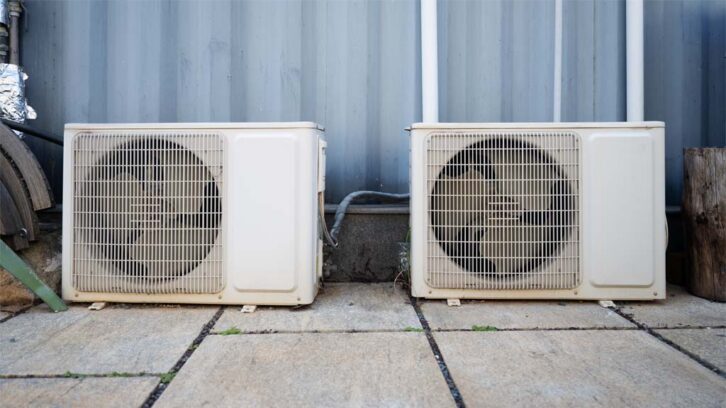
- Especially in a heat pump, make certain the outside unit is above the snow line and located so as to minimize driving rain or ice directly on the unit.
- Periodically check thermostat settings, general arrangements and the presence of air flow. If your thermostats are accessible to staffers who are unaware that the controls are set at design points for a reason, these will get adjusted when folks feel too hot or too cold. Doors that have been propped open between zones or supply duct grills that have been taped over because of a perceived draft are examples of how even the best systems can be undermined.
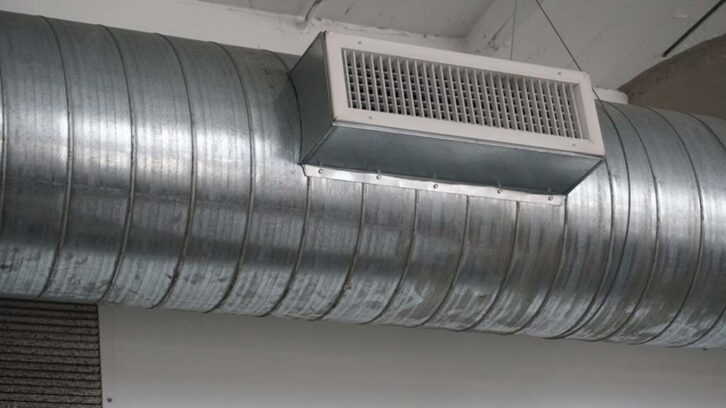
- A confidence technique that is primitive but useful is to place small colorful pennons on all supply vents, especially those that are difficult to reach. In high-volume, low-velocity systems, these pennons (also called tapers) are especially useful for evaluation.
- If your equipment has fusible disconnects, keep replacement fuses on hand to restore your system to normal protection configuration after troubleshooting. A workable alternative is to adjust current trip points or trip curve such that the CB panel breaker will trip first.
- Review your electric bills periodically vis à vis degree days to check overall efficiency. If your power bill is out of proportion with the weather or notably different from last year, conduct an end-to-end review of the HVAC.
- Be aware of your operating temperatures, inside and out. Temperature sensors are affordable and facilitate sampling at multiple locations. Configure them to your remote control setup with automatic alarms as well.
- In most circumstances, AC runs way more than heat. Use thermal reality to your advantage, feeding into the space as high as possible and returning the air from as low an input point as achievable.
- Be wary of spacing between multiple outside wall and pad-mounted equipment to prevent concentrated heat to build up. Follow manufacturer guidelines for separation to maintain rated efficiencies.
- Insulation should include an appropriate water barrier. If it doesn’t, install a separate barrier.
- In ducted systems, an economizer damping system that uses outside air for cooling can save substantial costs. If the heat load in the space is large, consult an experienced professional because, let me state this simply, the design in this instance gets tricky.
- A surprising point of failure often overlooked is the condensate drain. It should have a full-size trap, oversized drain pipe diameter, greater than 5-degree pitch and an output port free of potential icing or vermin or vegetation blockage.